
Low-Code Adoption and Risk: Key Findings
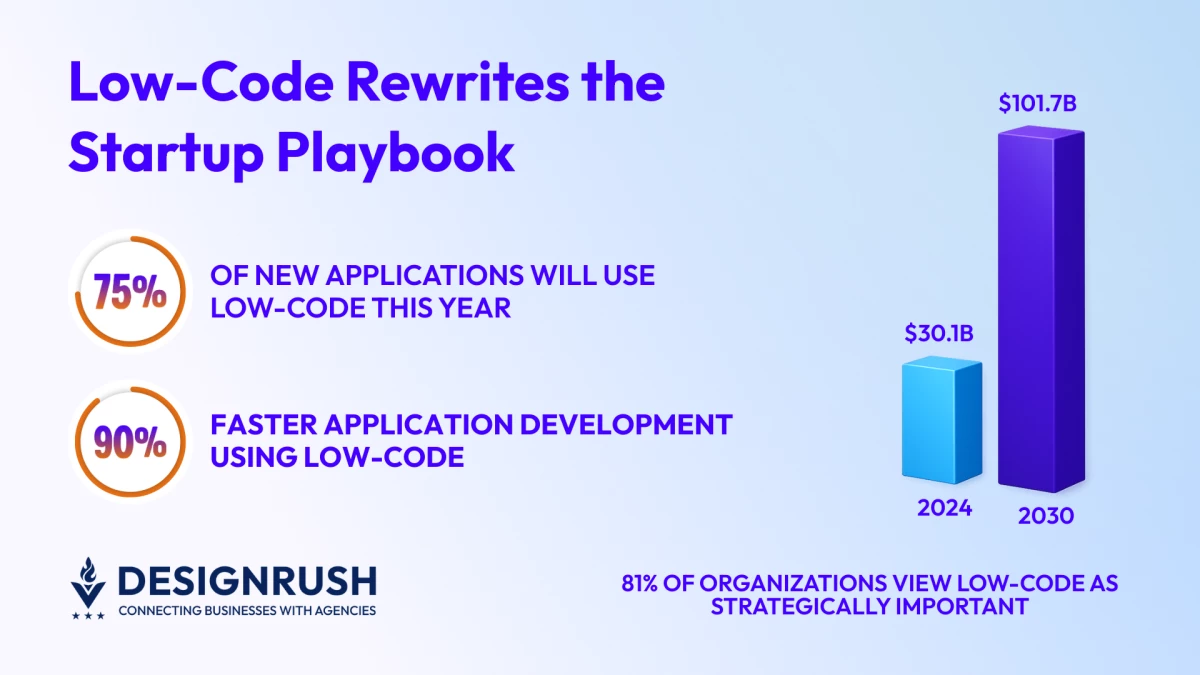
- 75% of new applications will use low-code this year, signaling a permanent power shift in how software gets built
- Citizen developers will outnumber pros 4 to 1, redefining who controls product velocity inside startups
- Lack of guardrails leads to hidden technical debt, turning early speed into long-term fragility without discipline
A few years ago, the majority of software development projects all followed a familiar script, where founders dreamt it up, engineers built it, and everyone else waited.
But today, that script is quietly being rewritten.
Product managers are now shipping workflows without writing code.
Operations teams are automating processes once locked behind engineering backlogs, and even non-technical founders are launching functional applications faster than ever.
Malay Parekh, CEO of leading global software development firm, Unico Connect, says that this shift toward low-code development is not just a trend but a fundamental change.
“Analysts expect low-code platforms to power 75% of all new applications this year,” Parekh says.
And while this presents an enticing pathway to innovation, without the right safeguards in place, it can also introduce risks that don’t surface until it’s too late.”
Editor's Note: This is a sponsored article created in partnership with Unico Connect.
Why Low-Code Adoption Is Accelerating So Quickly
The surge toward low-code hasn’t happened by accident but as a direct response to pressure building across the startup ecosystem.
Finding skilled developers is getting tougher every day, particularly for early-stage startups going up against big companies with deep pockets.
Meanwhile, customers aren’t waiting around. They want products that hit the market quickly, continually improve, and adapt on the fly.
Unfortunately, traditional development pipelines simply can’t keep up with that demand at scale.
“Low-code platforms step into this gap by reducing technical friction and compressing build timelines; a compelling proposition for startups with limited resources and unlimited ambition,” Parekh says.
The Numbers Behind the Momentum
The case for low-code isn’t driven by hype alone.
Data insights from Hostinger reveal how deeply these platforms are embedding themselves into modern software development:
- $102 billion global market value by 2030, rising from $30+ billion in 2024, and positioning low-code as durable infrastructure rather than a passing trend
- 75% of new applications will use low-code this year, reflecting how businesses are prioritizing speed amid ongoing developer shortages
- 81% of organizations view low-code as strategically important, indicating that these platforms have moved beyond experimentation into core planning
- 31% of companies use low-code at the core of their software strategy, showcasing that adoption is a sign of commitment rather than peripheral use
- Application development can be up to 90% faster with low-code, ensuring the right amount of efficiency required by startups
- Development costs can be reduced by up to 70%, making low-code particularly attractive for resource-constrained teams
- 80% of low-code users will sit outside IT departments this year, redefining who participates in building business software
- 90% of developers say low-code helps manage application backlogs, indicating strong internal buy-in from technical teams
- Citizen developers are expected to outnumber professional developers four to one, highlighting how software creation is being decentralized
- Demand for citizen-built apps is growing five times faster than IT capacity, explaining why low-code adoption continues to accelerate
“These figures confirm a clear reality that low-code is no longer optional infrastructure, but is becoming the default foundation for how new software is built,” Parekh says.
What Startups Stand to Gain
For startups, low-code means more than just saving time; it changes how software gets built and paid for.
With shorter development cycles, teams can get minimal products into users’ hands faster and test their ideas without waiting months for engineering resources.
Moreover, costs become more predictable as reliance on scarce technical specialists decreases.
“Perhaps most importantly, product creation becomes more collaborative, whereby non-technical teams can actively participate in shaping workflows, internal tools, and even customer-facing applications,” Parekh says.
This broader participation often leads to faster iteration and better alignment between business goals and product execution; advantages that matter most when speed decides survival.
The Risks That Emerge Without Guardrails
The same accessibility that makes low-code attractive can quietly introduce risk.
Security measures can often be neglected when applications are developed quickly and by multiple contributors.
Governance can then become fragmented, while compliance requirements, particularly in regulated industries, can be inadvertently missed during the rush to deploy.
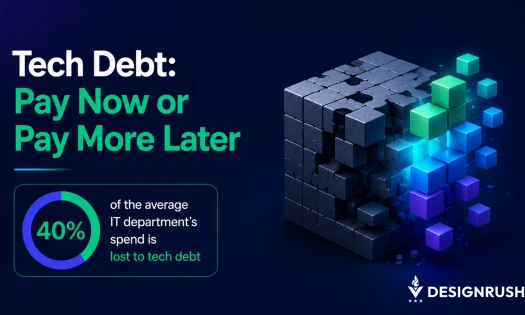
Over time, hidden dependencies and platform limitations accumulate, resulting in technical debt that becomes increasingly difficult to resolve as the startup grows.
“These issues rarely appear at launch,” Parekh says.
“They emerge later, when systems are already embedded into operations and the cost of fixing them is significantly higher.”
What a Smart Safeguard Strategy Looks Like
Low-code doesn’t need to be slowed down; it needs to be structured.
Startups that succeed treat low-code with the same discipline as traditional development.
This is why Unico Connect recommends teams to prioritize the following:
- Establish governance early: even small teams benefit from clear rules around ownership, approvals, and platform usage
- Embed security into the build process: automated testing, access controls, and permission layers should be standard, not optional
- Document logic and workflows: low-code applications still require clarity to remain scalable and maintainable
- Define boundaries between teams: clear roles prevent fragmentation as more contributors enter the build process
These safeguards, therefore, protect velocity rather than undermine it.
Where Startups Go From Here
The real question is no longer whether startups will use low-code.
That decision is already being made by market forces, talent shortages, and time pressure.
The more important question is whether they’ll adopt it deliberately or drift into it reactively.
Not every startup that moves quickly with low-code will succeed. That said, those that do will almost certainly be those that planned ahead.
“Low-code is reshaping how software is built, but strategy will determine who builds something that lasts,” Parekh says.