
Google Try On x The Devil Wears Prada 2: Key Findings
- Google Shopping ties Try On in Search to Devil Wears Prada 2, demonstrating AI styling through social stories led by the movie characters.
- The campaign includes a premiere activation where guests use virtual try-on stations inside a recreated RUNWAY closet experience.
- Multiple brands join the film’s marketing wave, establishing its value as a platform for fashion, beauty, and tech integrations.
Your next fitting room might live inside search.
In the lead-up to the May 1 release of "The Devil Wears Prada 2," Google Shopping is using the film’s fashion world to show how its Try On in Search tool works in real time.
Built in collaboration with 20th Century Studios, the campaign places the feature inside the high-pressure, high-style universe of Runway Magazine.
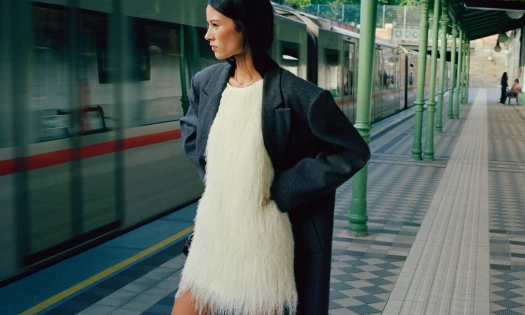
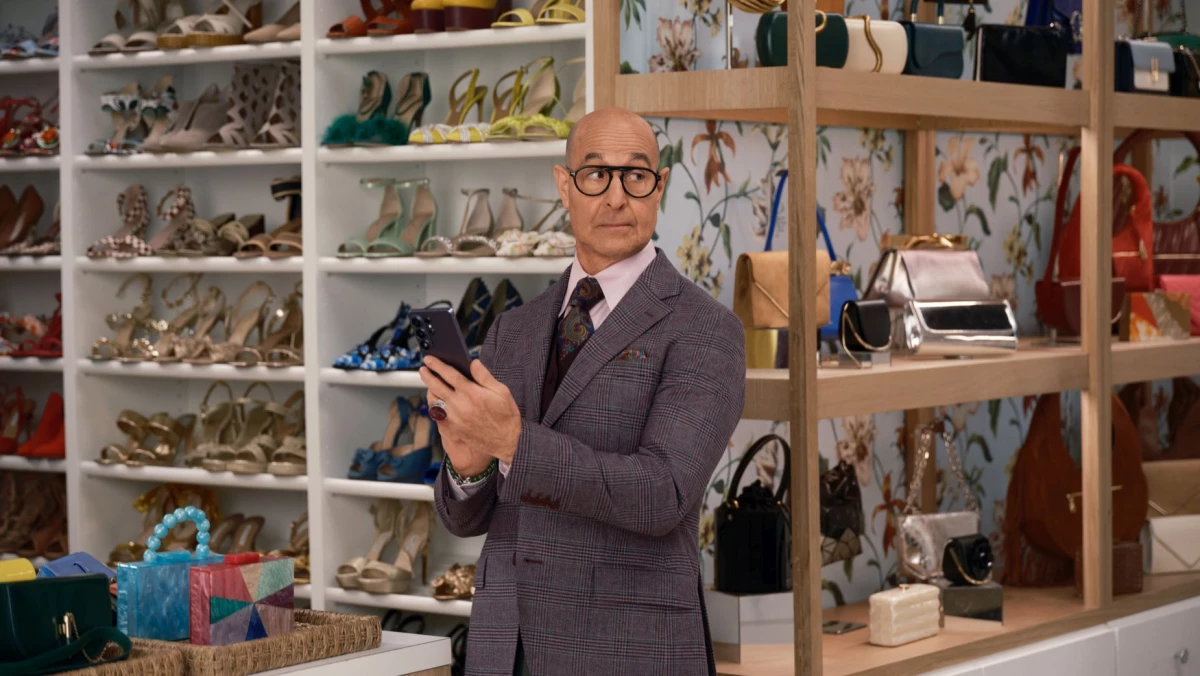
At the center is a social film starring Simone Ashley and Stanley Tucci, reprising their roles as Amari and Nigel.
It banks on celebrity marketing to carry the narrative, using the beloved characters to make the tech feel more approachable.
It also continues Google’s run of entertainment-driven launches, following earlier holiday work featuring Kirsten Dunst and Sarah Jessica Parker.
More broadly, it's a testament to the rise of brand partnership campaigns tied to major film releases.
Recently, Samsung also collaborated with the upcoming film to showcase its Galaxy S26 Ultra, integrating product features directly into film storytelling.
In both instances, tech features are introduced within the film's universe, instead of having your typical standalone demos.
How 'Try On' Works in the Runway
The campaign's hero spot plays out inside the RUNWAY closet, where Amari and Nigel trade sharp lines while searching for the perfect gala look.
Nigel turns to Google, typing in a “devastatingly chic and runway-ready” outfit before using the AI tool to preview options directly on Amari.
The sequence lands on a red dress that Amari later wears in an elevator scene, closing the spot.
It’s a simple demonstration, but one that shows the product in action, in a way that consumers can apply to their own lives.
Google didn’t stop at the film.
Starting April 20, the campaign moved into an experiential marketing at the movie’s world premiere.
The RUNWAY closet was recreated as an interactive red carpet installation, giving guests a chance to step into the film’s universe.
Attendees could check into the closet, get guided by staff, and browse a rotating wardrobe.
Inside, they used Google Try On stations to preview outfits on themselves, mirroring the functionality shown in the social film.
Google is also part of a wider wave of brands jumping on the hype of the highly anticipated sequel.
L’Oreal, TRESemmé, Starbucks, Coca-Cola, and Grey Goose have all rolled out tie-ins, each plugging into different parts of the film’s identity, from beauty to lifestyle.
Two decades after the original film, the continued interest shows how strong the franchise remains as a marketing platform.
Especially for brands looking to dive into the world of fashion and entertainment.
Google’s Fashion-Tech Tie-In
Google’s campaign teaches us all how to make new technology feel usable, not intimidating:
- Put the product inside familiar worlds to make new technology easier to understand and more relevant.
- Use physical activations to turn digital features into hands-on experiences that audiences can immediately grasp.
- Align with pop culture hype like film releases to grow reach and create multiple entry points for engagement.
Virtual try-ons have been an integral part of the standard shopping flow across Google's services.
And with the global virtual try-on market projected to reach $17.3 billion in 2026, it's no surprise.
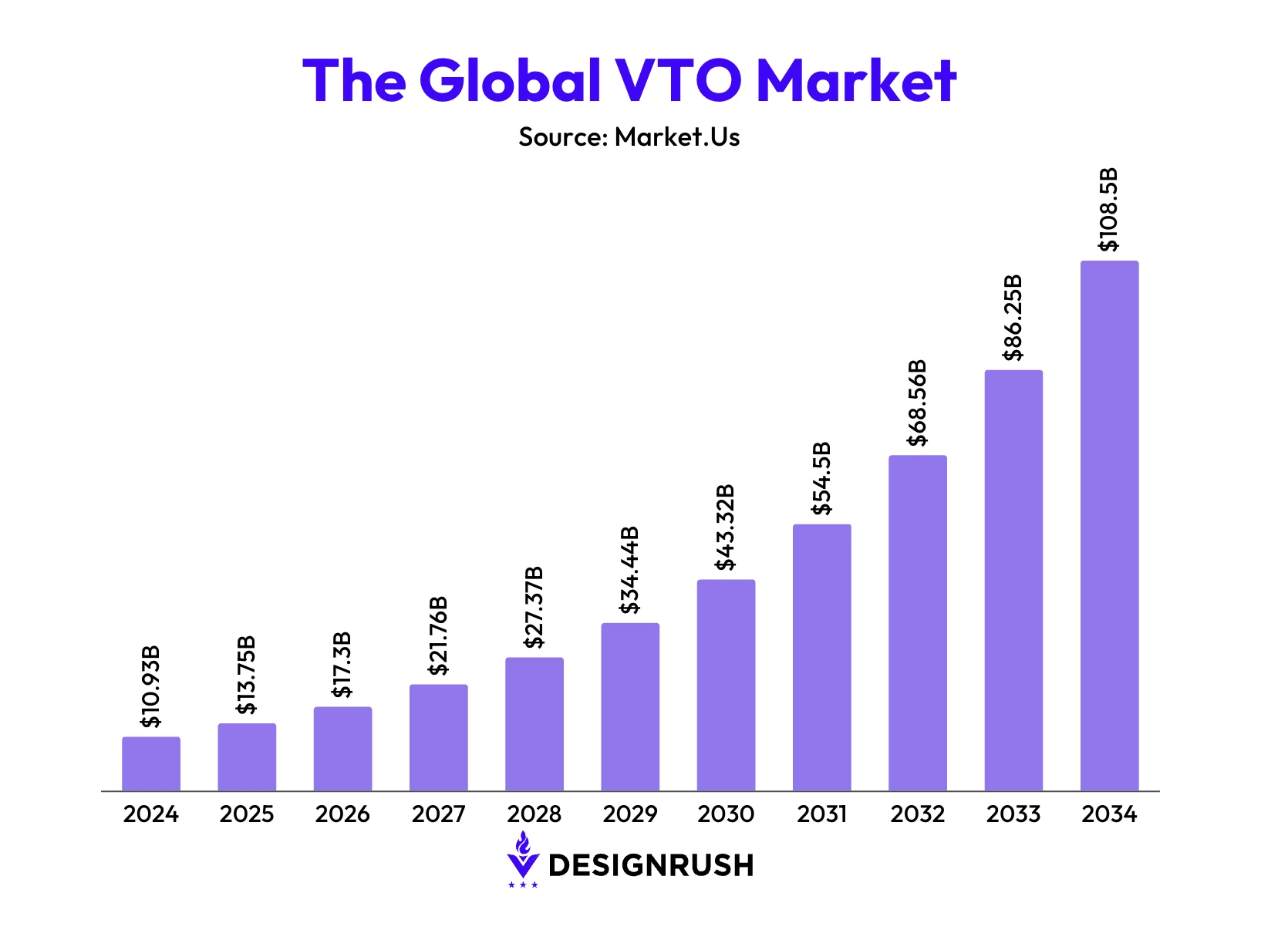 Mobile devices already account for over 70% of virtual try-on usage, making the accessibility and speed of the innovation essential to modern shopping.
Our Take: Does Fashion Make Tech Click?
Google's Try On enters a world where decisions need to be fast and visual, and this is exactly where something like a virtual try-on earns its keep.
It's interesting how little they actually say about the tech.
They trust in its usability and simplicity enough to just focus on its use cases.
This is the kind of brand storytelling most product teams struggle to land.
Google knew to put its product somewhere messy, somewhere human, and let it prove itself, because that's where belief starts.
Recently, Samsung teamed up with influencer Haley Bayley to introduce the Galaxy S26's new privacy feature.
Brands introducing new technology often rely on creative partners who can translate technical features into clear, engaging stories.
Explore these top creative agencies to help bring product innovations to life.