
Apple wants one app to run every room in the house.
It also wants every LG camera in these rooms recording to iCloud+, a Services plan Apple already sells.
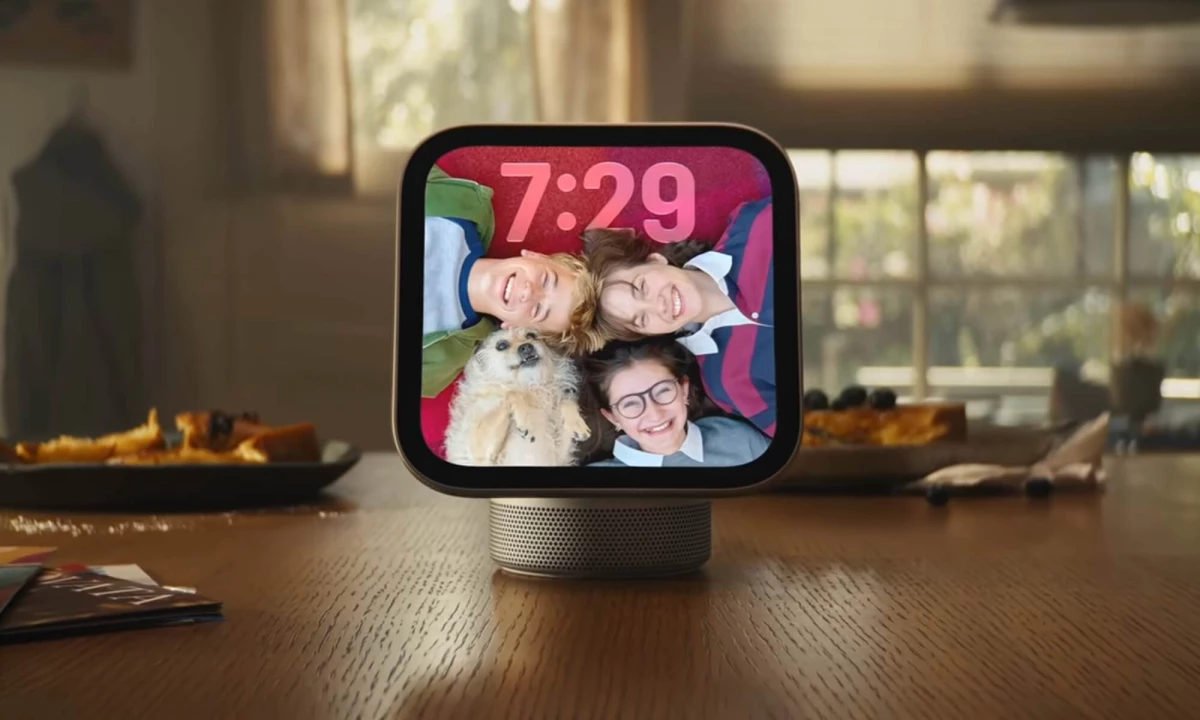
The iPhone maker has introduced HomeView, a $299 smart display with a 7-inch screen that sits on a countertop or mounts to a wall.
It recognizes up to six household members by face and gives each one a personal Home Screen.
"Apple HomeView is designed to be shared by everyone in the home yet feel completely personal to each user," Apple SVP of Worldwide Marketing Greg Joswiak said in a statement.
HomeView runs Siri AI, an assistant that can pull information from a user’s Calendar and Messages when their paired iPhone or iPad is nearby.
Pre-orders opened today, October 13, with availability beginning on November 13.
Apple also announced Home Collection, a lineup of cameras, a doorbell, a deadbolt, thermostats, and sensors.
Apple co-designed every product with LG Electronics and Schneider Electric.
Availability begins in December, with select accessories arriving in early 2027.
"Apple Home Collection makes it easy to choose smart home accessories with confidence," said Matthew Costello, Apple’s VP of Hardware Engineering.
Bloomberg’s Mark Gurman had previously described the smart home gadget as a roughly 6-inch hub ahead of the announcement.
Now, Apple’s official release confirms a larger 7-inch Liquid Retina display.
The launch is also Apple’s first new product category since the Vision Pro in February 2024.
It’s the first under CEO John Ternus, who took over from Tim Cook on September 1.
Ternus is a hardware engineer, yet his first new category lets LG and Schneider Electric build the accessories while Apple keeps the iCloud+ revenue.
This move suggests that he plans to grow Apple through subscriptions linked to devices that other companies build and support.
One Tap Starts Each Setup
Every Home Collection product sets up with a single tap from an iPhone.
Much like adding a HomePod, the system runs through the Apple Home app with no separate app or account.
Each device supports Thread, which helps it stay connected when Wi-Fi drops.
Products also update their network credentials automatically if a customer changes home Wi-Fi.
LG supplies four cameras: a video doorbell, a floodlight camera, an outdoor camera, and an indoor camera.
They record up to 2.5K video and recognize people, familiar faces, pets, vehicles, and packages.
Footage lives in a user’s iCloud+ plan, so there’s no separate camera subscription.
The catch is that the 50GB iCloud+ plan covers only one camera, so a home running all four LG cameras needs at least the 200GB tier.
Notably, the indoor camera tilts away from the room as soon as the first member of the household gets home, giving the privacy pitch something visible.
LG’s Smart Deadbolt Lock uses Ultra Wideband tech to unlock the door as a user with a home key on an iPhone or Apple Watch walks up.
It also pairs with the doorbell, so users can see who’s there and unlock the door from one view.
Two thermostats, one from LG and one from Schneider Electric, adjust to whether someone is home, away, or winding down for the night.
Additionally, Apple worked with both companies on product design development, from how each device mounts to how it looks beside Apple products.
HomeView ties the lineup together, and its Home Camera face can stream up to nine feeds at once.
A single Good Morning scene can adjust the thermostat, tilt an indoor camera down, and start music on HomePod.
The display also offers a Photos face and a Snoopy animation that follows the time of day and weather.
On privacy, HomeView processes camera and microphone data in Secure Exclaves.
Siri requests can run on the device itself or through Private Cloud Compute.
Buyers often decide whether to keep a smart home device within minutes of setting it up.
Lending Apple's one-tap setup to every partner product is co-branding that protects both brands right when this decision happens.
A Recommended Lineup Feeds Apple Services
Home Collection gives shoppers a shortlist in a market full of Works with Apple Home and Matter accessories.
Apple's June-quarter numbers show the money sits in what these accessories plug into.
Wearables, Home, and Accessories revenue rose about 6% to $7.88 billion in the June quarter, up from $7.4 billion a year earlier.
Services revenue grew twice as fast, up 12% to a June-quarter record of $30.74 billion.
Apple’s quarterly filing credits advertising and cloud services for most of that gain.
These figures explain the iCloud+ storage choice, with every LG camera feeding a Services product.
Advertising sits in the same segment, and Apple has spent 2026 adding places to sell it.
Ads on Maps, for one, opened to U.S. and Canadian advertisers on August 14.
Apple Maps sees over a billion business-related searches a month, so each new surface is connected to intent.
While the HomeView release doesn't mention advertising yet, a kitchen screen that knows who is standing in front of it is a surface marketers should watch.
Apple's launch shows three ways to make a new product easier to buy and harder to drop:
- Put your name on a shortlist: A recommended set from a trusted brand cuts the effort of choosing from thousands of compatible options.
- Attach each product to a service you already sell: A hardware sale that feeds an existing subscription keeps earning revenue long after checkout.
- Name the mechanism behind privacy claims: Shoppers trust a privacy promise more when they can look up the technology behind it.
Overall, the larger opportunity for marketers here is consistency.
Partner-made products that share one app, one setup step, and one privacy standard let a buyer's second purchase pick up where the first one left off.
Our Take: Does Apple Need to Win on Price?
HomeView costs $299, and rivals already sell smart displays and cameras for less.
We don't think Apple needs to win on price, since the buyer it wants already owns an iPhone and maybe a MacBook plus an iPad.
HomeView only surfaces Messages and Calendar content when the enrolled user’s paired iPhone or iPad is nearby and recently unlocked.
This feature makes the phone in the buyer’s pocket the real entry fee, one that no lower-priced screen can match.
Apple’s installed base of active devices hit a new all-time high last quarter, so the audience for this pitch is already in the house.
Every iPhone owner in that base is a sales lead who has paid for the hard part.
Marketers with a loyal customer base should price their next product for this base first and treat new shoppers as a bonus.
Want to explore how Apple's expanding media business could affect your brand strategy?
Connect with a top digital marketing agency in our directory for help planning cross-platform campaigns.