
Apple is reportedly preparing its biggest push into the smart-home category while expanding the places where brands can buy media.
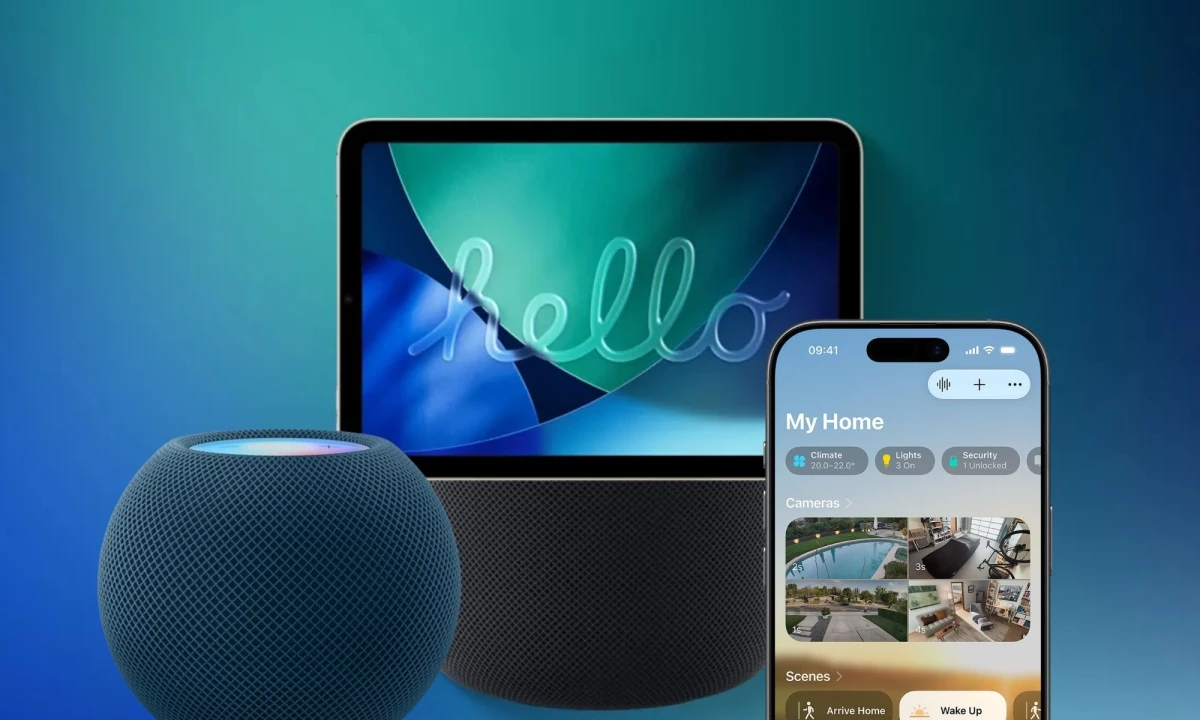
Bloomberg's Mark Gurman reports that the company plans to introduce a new home hub on October 13.
It arrives alongside updated HomePod mini and Apple TV models.
The roughly 6-inch square hub could sit on a countertop or be mounted to a wall.
It can also reportedly recognize individual household members and serve personalized content based on their data and accounts.
The hub device carries over the dark visual style of Siri AI. Its operating system blends elements of the Apple Watch, Apple TV and iPad interfaces. That includes the use of iPad-like app designs and Apple Watch-style icons on its home screen. It also has iPhone-style widgets
— Mark Gurman (@markgurman) September 30, 2026
The move comes after Apple opened Ads on Maps to U.S. and Canadian advertisers in August.
It adds another commercial surface to the company's expanding advertising business.
As of writing, Apple has not confirmed the launch, the hub's name, or any advertising plans for the device.
Apple has spent 2026 adding places to sell ads, and a screen that sits in the kitchen all day may just be the most valuable one yet.
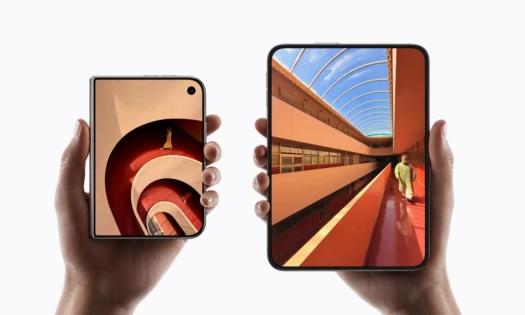
Apple Places the Home Hub Beside iPhone Duo
Apple's reported October launch would come three days before iPhone Duo pre-orders open on October 16.
The company confirmed iPhone Duo will start at $1,999, with availability beginning October 23.
The home lineup would also include an updated HomePod mini and a new Apple TV set-top box.
Both retain their current product designs with faster processors to support Apple's newer Siri capabilities.
The home hub would pair a roughly 6-inch display with face and voice recognition capabilities.
The hub has also been predicted to cost around $350, according to earlier Bloomberg reporting.
This puts it above Amazon's Echo Show 11, which is listed at roughly $250 after raising the price in August.
It would also place the hub in the same premium product strategy as the Duo.
The timing creates a packed October for Apple, with a new category arriving days before the company's first foldable iPhone.
This puts it above Amazon's Echo Show 11, which Amazon lists at roughly $250 after raising the price in August.
The launch would also give CEO John Ternus an early test after taking over from Tim Cook on September 1.
Ternus is reportedly planning faster product development, a leaner organization, and more frequent launches.
Apple has not shipped a new product category since the Vision Pro in February 2024, and that one cost $3,499 and stayed niche.
The hub would be the first test of whether Ternus can open a category at a price that normal households can afford.
Apple's Ad Expansion Puts the Hub in Context
Apple's advertising business has gained new inventory across 2026, including additional App Store search placements introduced in March.
It then opened Ads on Maps to advertisers on August 14.
More than 1 billion business-related searches happen on Apple Maps each month, according to statistics cited by MediaPost.
This matters because Apple's ad strategy is reaching users at increasingly specific points of intent.
Although not confirmed, the home hub would give the company another persistent screen inside the household.
The commercial significance of Apple's home push lies in how much intent the company already captures across its software.
- High-intent inventory creates commercial value. Brands should prioritize ad surfaces tied to active decisions to capture demand closer to action.
- More surfaces increase media opportunities. Marketers should assess placements as a connected buying system to reach consumers across devices.
- Personalization raises the value of context. Brands should match messages to relevant environments to make advertising more useful when consumers are ready to act.
Apple's growing advertising footprint gives marketers more ways to buy into moments where consumers already signal intent.
Our Take: Can Apple Make the Hub Easy to Sell?
Apple is selling a product category that most shoppers have never asked for.
We think that it can work, but only if the stores do the explaining.
The retail overhaul already underway points to a device that nobody understands from a spec sheet.
Personalization reads well in a product description, but it only proves itself when a buyer watches the screen recognize two people in one household.
Amazon and Google spent nearly a decade teaching shoppers what a smart display does, and both sell theirs for well under $300.
Apple is asking roughly $350 for a category it skipped, so we think that the demo table will ultimately decide which one shoppers choose.
Apple took Maps from zero ads to sponsored results in five months.
So marketers should plan their omnichannel marketing on the assumption that the hub screen gets sold, too.
Want to explore how Apple's expanding media business could affect your brand strategy?
Connect with a top digital marketing agency in our directory for help planning cross-platform campaigns.