
Key Takeaways:
- U.S. tariffs dropped China imports to their lowest since March 2020 and drove a $346.8B surge from non-China suppliers.
- Manufacturers and alternative suppliers, among others, must update their websites to build trust, prove reliability, and win business in a tariff-driven economy.
- In 2025, companies with clear, fast, and transparent websites will gain the edge as buyer behavior shifts and digital channels dominate.
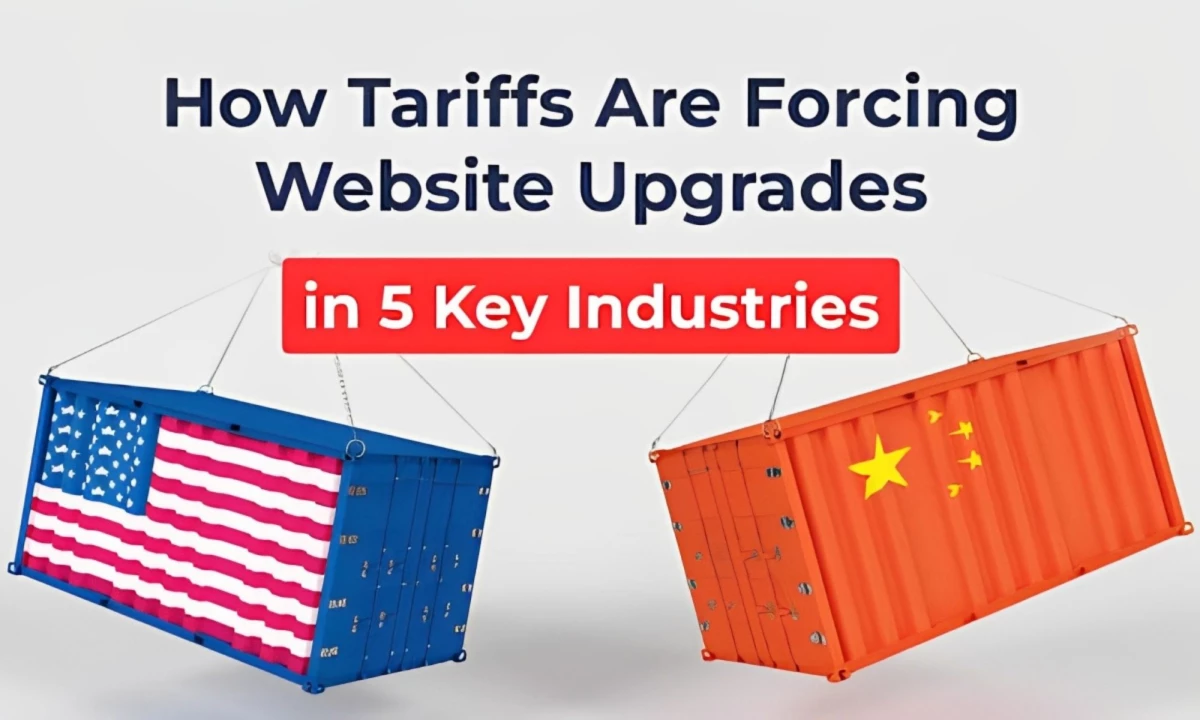
New U.S. tariffs are already shifting how companies think about pricing, sourcing, and global partnerships.
Even with a recent truce lowering China tariffs from 145% to 30%, as reported by CNBC, a 10% minimum rate on all foreign goods is here to stay. While supply chains get the spotlight, one piece is often overlooked: the company website.
Editor’s Note: This is a sponsored article created in partnership with Web Loft Designs.
Digital infrastructure will decide who wins in this new trade economy. Slow load times cost online businesses nearly $2.6 billion in lost sales, and according to Digital Silk, every extra second of delay can shave up to 7% of your conversion rate.
In 2025, these five industries are facing a digital reckoning as tariffs reshape how business gets done:
1. Domestic Manufacturers & Made-in-USA Brands
As more buyers look for U.S.-made goods, manufacturers have a real shot at growing. But if their websites don’t build trust or show supply chain strength, they’ll miss it.
B2B buyers want proof of supply chain reliability, production transparency, and lead time clarity. A static page won’t cut it.
Whether it’s a precision toolmaker in Ohio, a Texas-based apparel startup, or a Vermont food producer, companies need to sell trust.
According to Web Loft Designs, a firm specializing in websites for manufacturers, logistics firms, and product-based brands, companies must update their websites to showcase reliability and build trust with buyers by:
“Right now, companies that deal with compliance, trade law, and import logistics are more essential than ever, but being essential isn’t enough if people don’t know you exist. As tariffs reshape global sourcing, firms in these spaces need to actively promote their services.
A professional, well-structured website isn’t just nice to have: it’s how you build credibility and show up when your expertise is needed most,” Marina Marsh, Founder and President of Web Loft Designs, said.
2. Alternative Suppliers (Non-China Imports)
With imports from China at their lowest since March 2020, businesses are turning to India and Vietnam to keep supply chains moving.
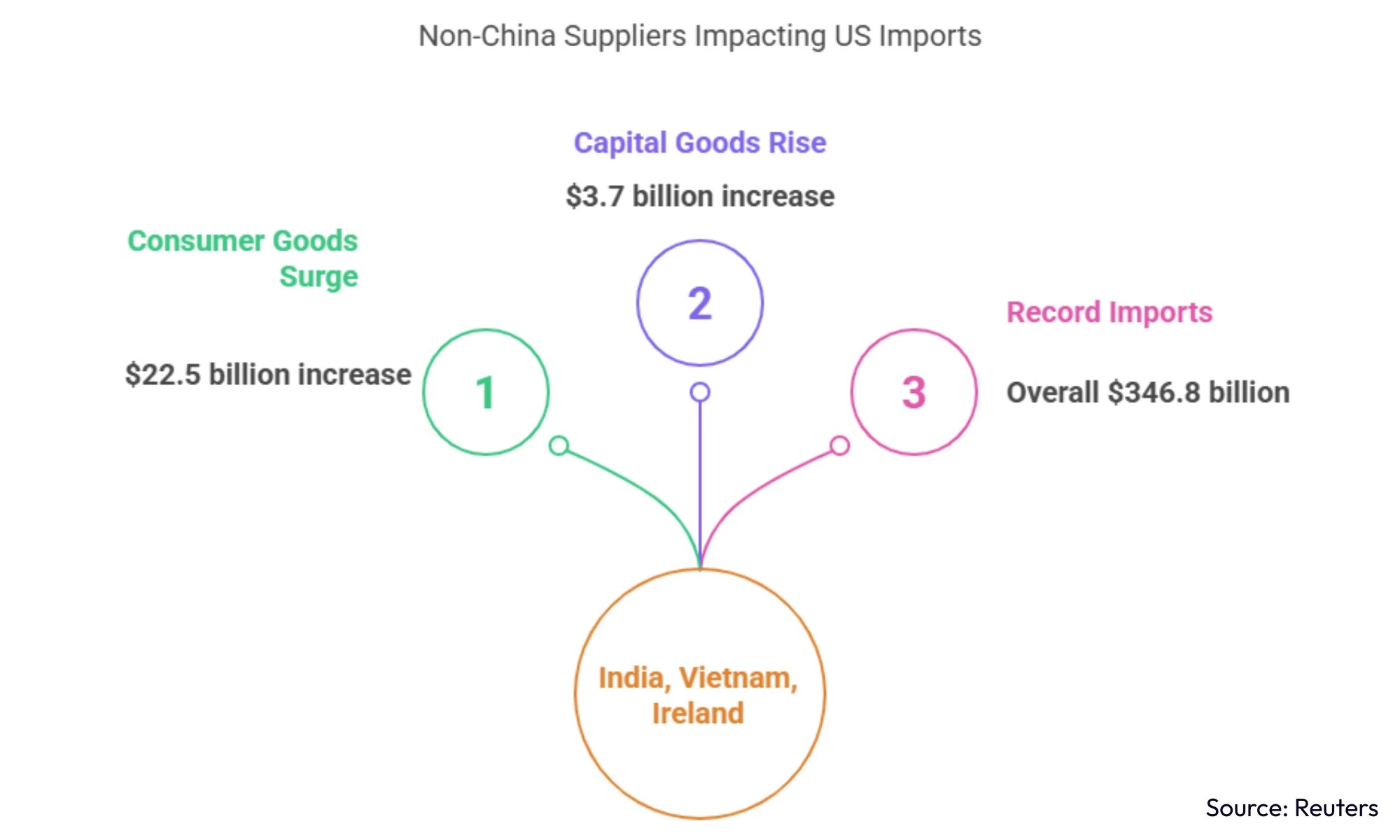
Both countries saw record-high shipments to the U.S. in March, part of a $346.8 billion surge in goods imports, Reuters reported.
For suppliers in these regions, it's a key moment to show reliability. Their websites should highlight certifications, origin details, and fulfillment capacity to win over U.S. buyers.
It’s a real window of opportunity for suppliers in regions like India and Vietnam, but U.S. buyers need more than just competitive pricing, Marsh added.
“They’re looking for proof you can deliver. Your website should clearly communicate certifications, fulfillment capabilities, and what sets you apart. That’s how you earn trust and land contracts in today’s market.”
3. E-Commerce & DTC Brands
Rising costs are pressuring eCommerce and direct-to-consumer (DTC) brands to justify their value. With tariffs pushing up prices on components, fabrics, and finished goods, vague copy and polished imagery won’t be enough to earn the sale.
Product pages need to do more. Customers expect transparency around sourcing, availability, and price changes tied to tariffs.
-content-large-webp.webp "Optimize a Website")
Some brands have already started labeling tariff-related costs directly on receipts and product listings to maintain trust and explain pricing decisions, according to Business Insider.
“When prices go up because of tariffs, just be upfront with your customers. Let them know why, and show them what they’re really getting — whether it’s better quality, faster shipping, or more reliable sourcing. People appreciate honesty, and it builds long-term trust,” Marsh said.
4. Logistics, Customs, and Compliance Firms
Supply chain firms are back in high demand, with tariffs, customs, and global fulfillment becoming top priorities.
Buyers also expect clear service details, easy contact paths, and timely updates.
By 2025, 80% of B2B sales interactions will happen in digital channels — a shift expected by Gartner.
“To help clients adapt to today’s logistics challenges, we’ve updated websites to highlight key info like sourcing, certifications, lead times, and fulfillment speed, all the things that help reduce hesitation and build trust,” Marsh noted.
“And suggesting options like store pickup has been a practical way to ease shipping concerns, giving customers more control, and at the same time helping retailers maintain conversions despite supply chain disruptions.”
5. B2B Marketplaces & U.S. Supplier Platforms
As companies seek alternative suppliers, B2B directories and platforms need to update to stay competitive. These platforms should offer easy search options, filters, and trust signals like verified reviews and sourcing badges.
Many B2B directories still get the basics wrong, Marsh said.
“Buyers struggle with clunky filters, outdated listings, or no clear next step to contact a vendor.”
To build trust in 2025, platforms need to focus on three essentials: verified reviews and credentials, real-time availability or fulfillment data, and transparent company profiles with easy contact options.
Tariffs create urgency — and opportunity. A strong, clear, and conversion-ready website isn’t just a nice-to-have in 2025.
“We’ve seen this before — businesses that move early on digital repositioning win market share while others wait,” she added.
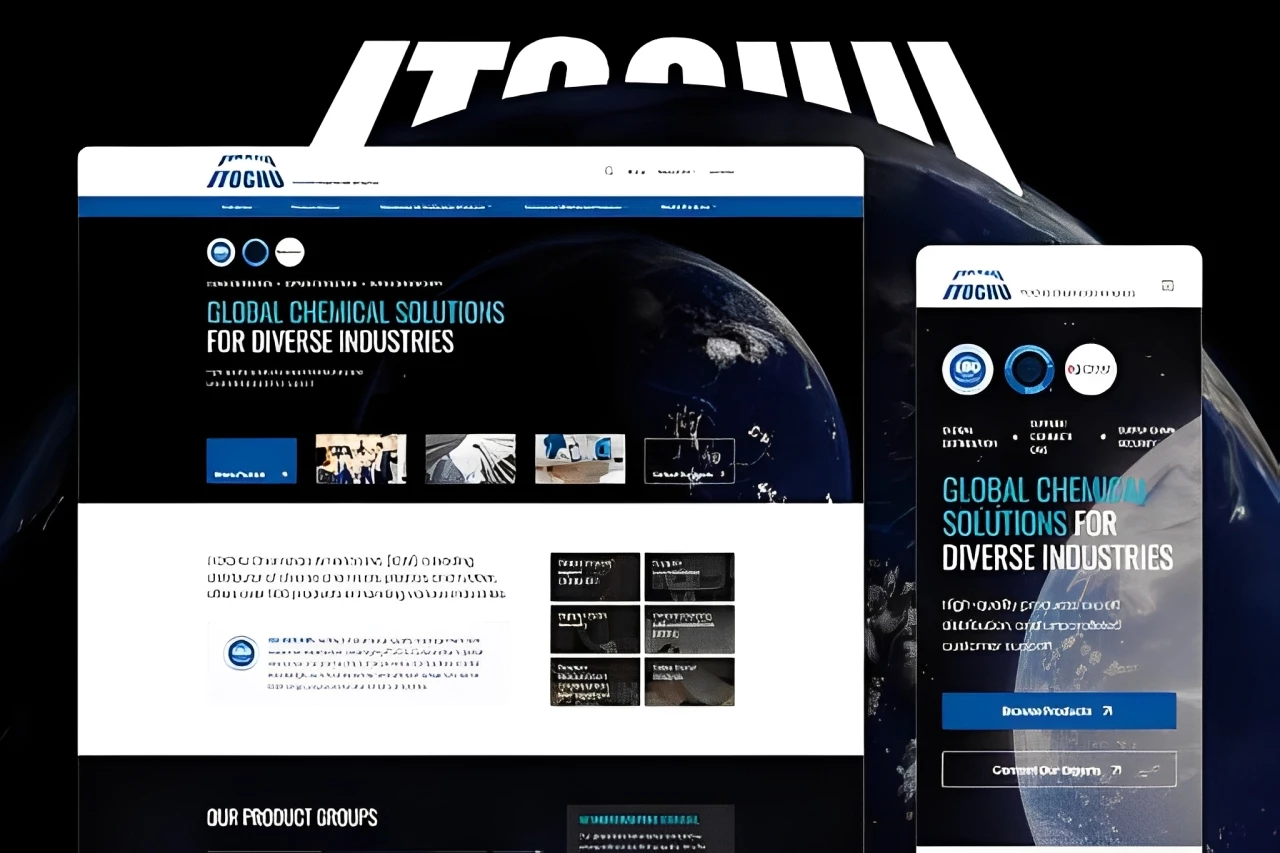
With tariffs redrawing the map of global trade, buyers are rethinking how and where they source. A clear and informative website is now a critical part of doing business, not just a branding exercise.
In 2025, companies that invest in digital readiness will be better positioned to earn trust, attract leads, and secure long-term contracts.