
Snapchat is the latest major network to restrict low-value AI content.
It joins LinkedIn and YouTube in putting new limits on synthetic or mass-produced posts and videos.
Wholly AI-generated videos will no longer qualify for recommendations in Snapchat's Spotlight feed, which cuts them off from discovery outside an existing audience.
Snap is drawing the distinction around authorship, rather than AI itself.
Videos edited or enhanced with Snapchat's own AI tools stay eligible, and carry a visible indicator that AI played a part.
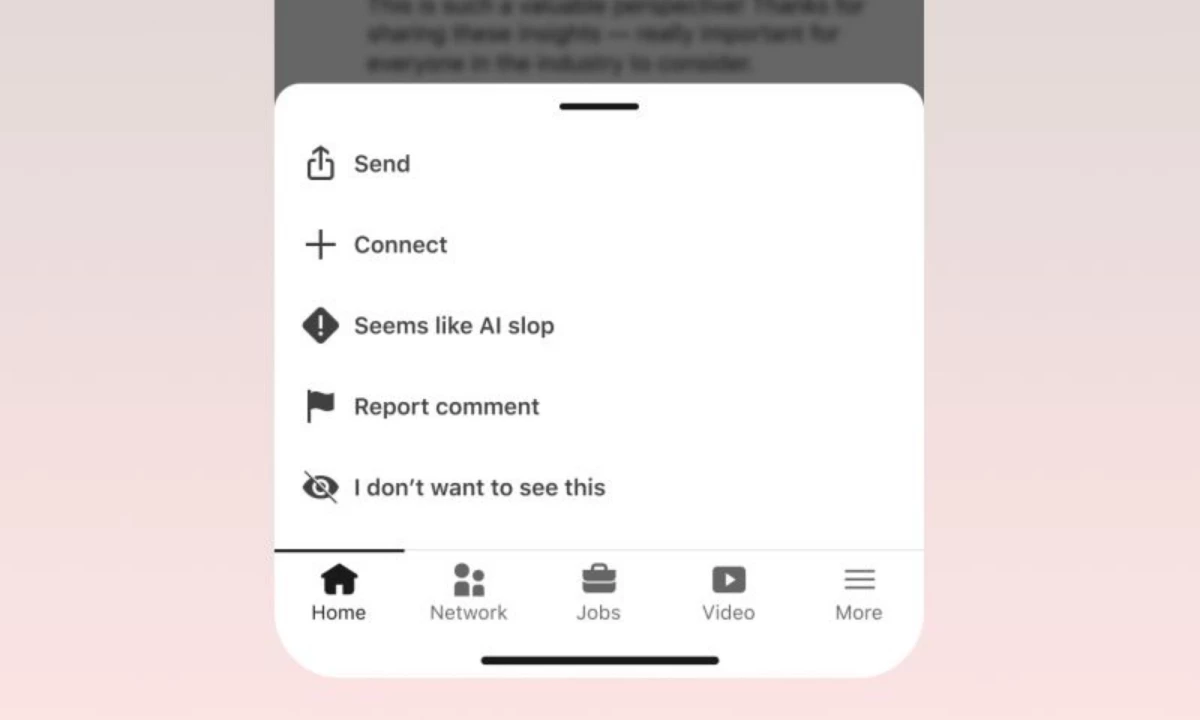
The move follows LinkedIn's new "Seems like AI slop" reporting option and YouTube's monetization restriction around generic, repetitive content.
Together, the policies point to a more specific platform standard emerging around AI.
Use the technology, but give people a reason to care about what you made.
Snapchat Puts Human Creators Back in Spotlight
Snap's change targets Spotlight, the app's public short-form video feed.
Creators can still post wholly AI-generated videos there.
But they won't receive recommendation distribution.
This distinction preserves access to the platform while removing the discovery incentive that can make high-volume synthetic content attractive.
Videos edited or enhanced with Snapchat's own AI creative tools remain eligible for recommendations when creators have contributed to the production.
The company says unique Spotlight contributors have grown more than 120% year over year, and points to that growth as evidence its authenticity push is working
This justifies why the platform wants to favor human-made content and protect the feed from AI slop.
In terms of enforcement, Snap has not explained exactly how it will distinguish fully generated videos from AI-assisted work.
It has also acknowledged that no detection system is perfect.
The lack of clarity leaves the line between creator input and machine output open to interpretation.
LinkedIn Makes AI Slop a Top Priority
LinkedIn's approach is more participatory.
Its new "Seems like AI slop" button lets users flag posts they believe are overly AI-generated or lack authentic insight.
Reporting a post also hides it from the reporter's feed.
Chief Product Officer Hari Srinivasan called AI slop "a top priority" and in an effort to preserve true insight, said in his post:
"We are ramping up a series of new and improved classifiers that identify if a post is AI-slop or generally low-quality content.
"This will reduce the amount of AI slop you might see in suggested content and content from outside your network."
These reports feed signals into LinkedIn's detection systems.
Comment
by u/MarvelsGrantMan136 from discussion
in technology
LinkedIn is also retiring its AI-powered "enhance your post" feature and replacing it with proofreading designed to preserve the writer's voice.
The company is testing a private note in creators' analytics dashboards, flagging when readers find a post inauthentic.
The B2B social platform is not asking users to abandon AI-assisted workflows.
It is putting more value on the professional experience behind the content that AI cannot credibly own.
Three Platforms, One AI Content Problem
Snapchat, LinkedIn, and YouTube are approaching AI content from different directions, but the business logic is similar.
The latest platform policies reflect a widening gap between how often people use AI and how much they trust content created with it.
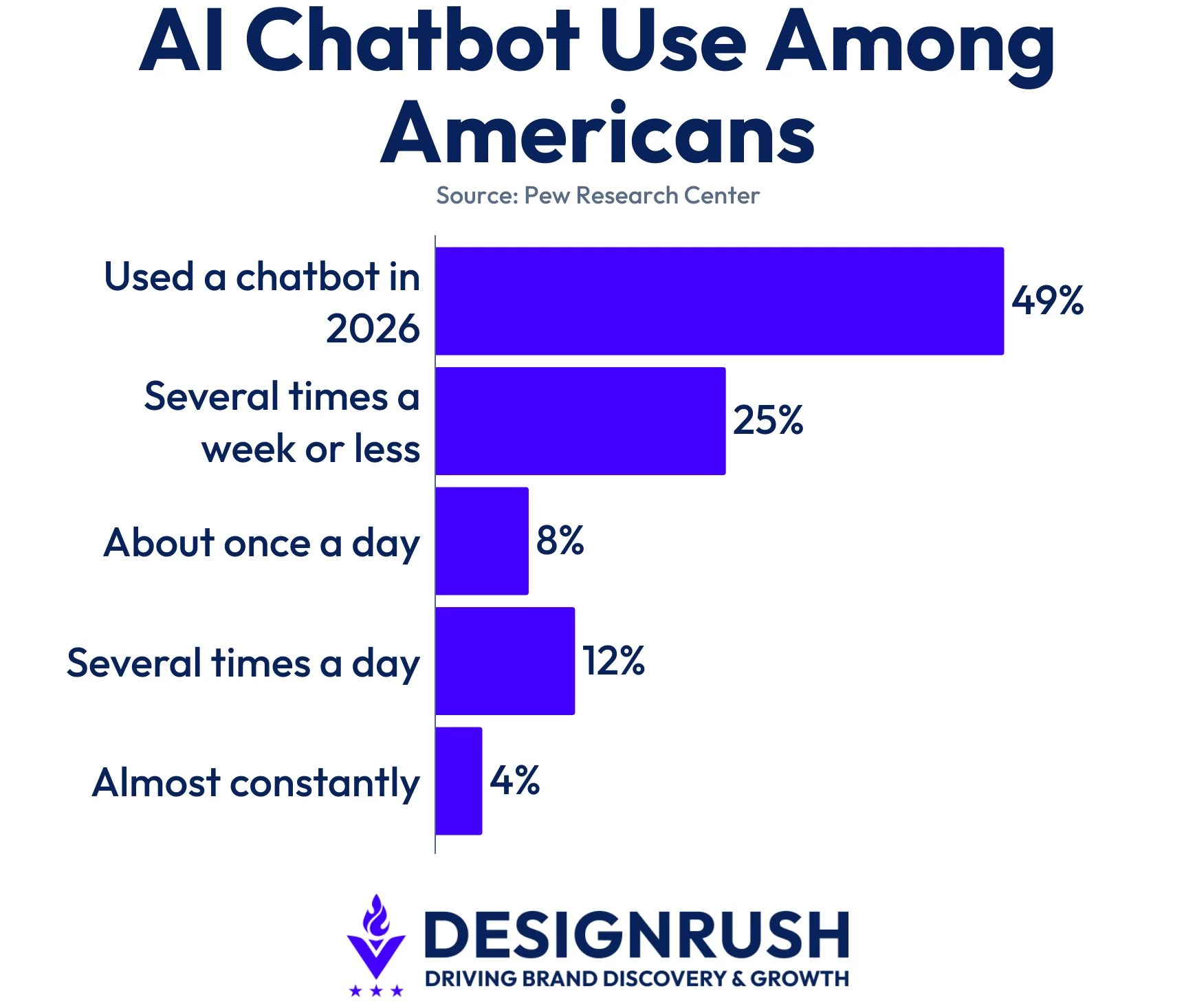
Nearly half of U.S. adults, 49%, have used AI chatbots in 2026, up from 33% in 2024, according to the Pew Research Center.
About a quarter use chatbots daily, 12% do so several times a day, and 4% use these tools almost constantly.
Yet trust has not kept pace.
Pew reported that 40% of Americans expect AI to hurt society over the next 20 years, compared with just 16% who expect a positive one.
These figures point to why platforms are putting forward new policies to safeguard against AI slop.
- AI adoption is no longer the differentiator. Brands should prioritize original expertise and creative contribution to stand out on AI-filled platforms.
- Trust now influences distribution. Platforms should reward authentic creator input to keep recommendation feeds valuable and audiences engaged.
- Human creativity is a competitive asset. Marketing teams should use AI to improve efficiency while ensuring the insights come from people.
YouTube's policy focuses on monetization, while LinkedIn combines user reporting with algorithmic detection, and Snap restricts recommendation eligibility.
Each platform provides a different way to protect trust as AI becomes more common.
Our Take: Who Wins When Platforms Set AI Rules?
The contradiction is hard to ignore.
Platforms are integrating AI deeper into their products and operations while restricting the AI-generated content users create with those same technologies.
Companies across industries, including Meta and Coinbase, are cutting jobs while pointing to AI-driven efficiency.
Employees have to adapt to a technology that can simultaneously make their work more efficient and make parts of their roles less valuable.
Then, on the consumer side, those same companies can penalize people for relying too heavily on AI to create content.
We think the real issue is not whether people use AI, but who gets to decide what constitutes acceptable use.
Platforms can demand human input from creators while using AI to moderate, analyze, and automate their own businesses.
This leaves employees and users with an uneven bargain.
If AI is becoming a condition of participating in the modern workplace and the online economy, companies need a clearer distinction between AI-assisted and AI-replaced work.
Otherwise, they risk creating rules where the benefits of AI help platforms while the restrictions fall on everyone else.
The bigger question is whether platforms will eventually reward meaningful human contribution consistently on both sides of the screen.
This includes the people who make the content and the companies that make the technology.
Brands need content strategies that keep human expertise at the center while making smarter use of AI.
Find a top content marketing agency to develop a strategy built for the next phase of digital publishing.