
Spider-Man is swinging across more than movie screens.
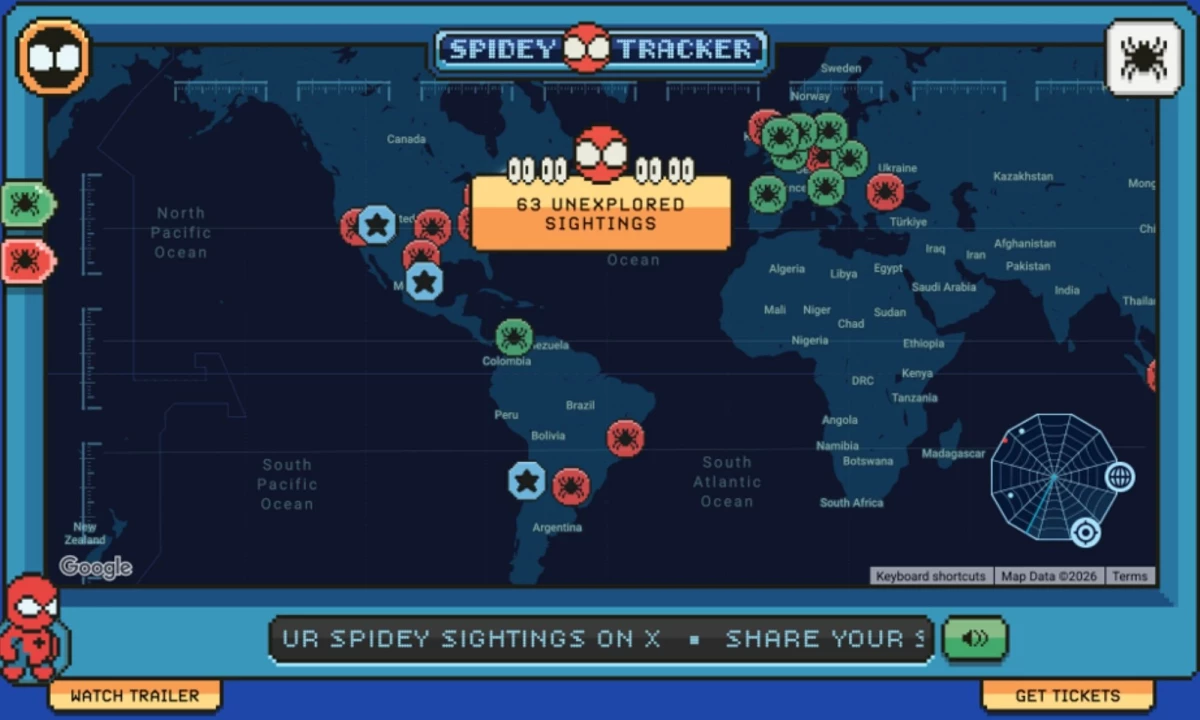
Ahead of the July 31 release, Sony Pictures partnered with Google Maps Platform to create SpideyTracker.com.
The interactive experience, in collaboration with Samsung, recreates the in-film app built by Ned Leeds, played by Jacob Batalon.
Fans across 35 countries can follow Spider-Man sightings, uncover Easter eggs, and hunt for hidden Street View appearances across New York City.
"By integrating with Google Maps and Google Maps Platform, Sony Pictures has created truly immersive experiences that showcase the incredible power of storytelling with maps," Google said in its developer blog.
The experience gives audiences a reason to keep returning throughout the film's run.
As Spider-Man campaigns ramp up before opening weekend, interactive experiences are becoming a bigger part of blockbuster marketing.
Google Maps APIs Bring Peter Parker's World to Life
Spidey Tracker recreates an app from "Spider-Man: Brand New Day," letting fans explore Peter Parker's world online.
Built with Google Maps Platform APIs, the site features an interactive world map with Spider-Man sightings, campaign events, and fan submissions.
The foundation of the site is built on the Maps JavaScript API.
This provides the site with a highly customized, interactive base map of the world.
Cloud-based Maps Styling gives the map its signature look, while Advanced Markers bring each sighting to life with custom pin designs.
Samsung Galaxy owners also get exclusive wallpapers, stickers, and emoji packs.
Google Street View also hides Spider-Man scenes across New York City for fans to discover.
A live X feed pulls the latest posts from @SpideyTracker into the site.
A separate events panel tracks Spider-Man activations happening around the world.
Built-in geolocation also lets fans orient themselves on the map in real time.
Woah... great sighting! Where do you think he went to next? https://t.co/OpEkFGyGtR
— Spidey Tracker (@SpideyTracker) July 23, 2026
As part of the promotional run, the experience joins practical stunt videos, outdoor advertising, and Samsung's partnership with Jacob Batalon.
The activation proves that digital products can carry promotional weight when they encourage repeat visits and discovery.
A $250 Million Domestic Opening Projection
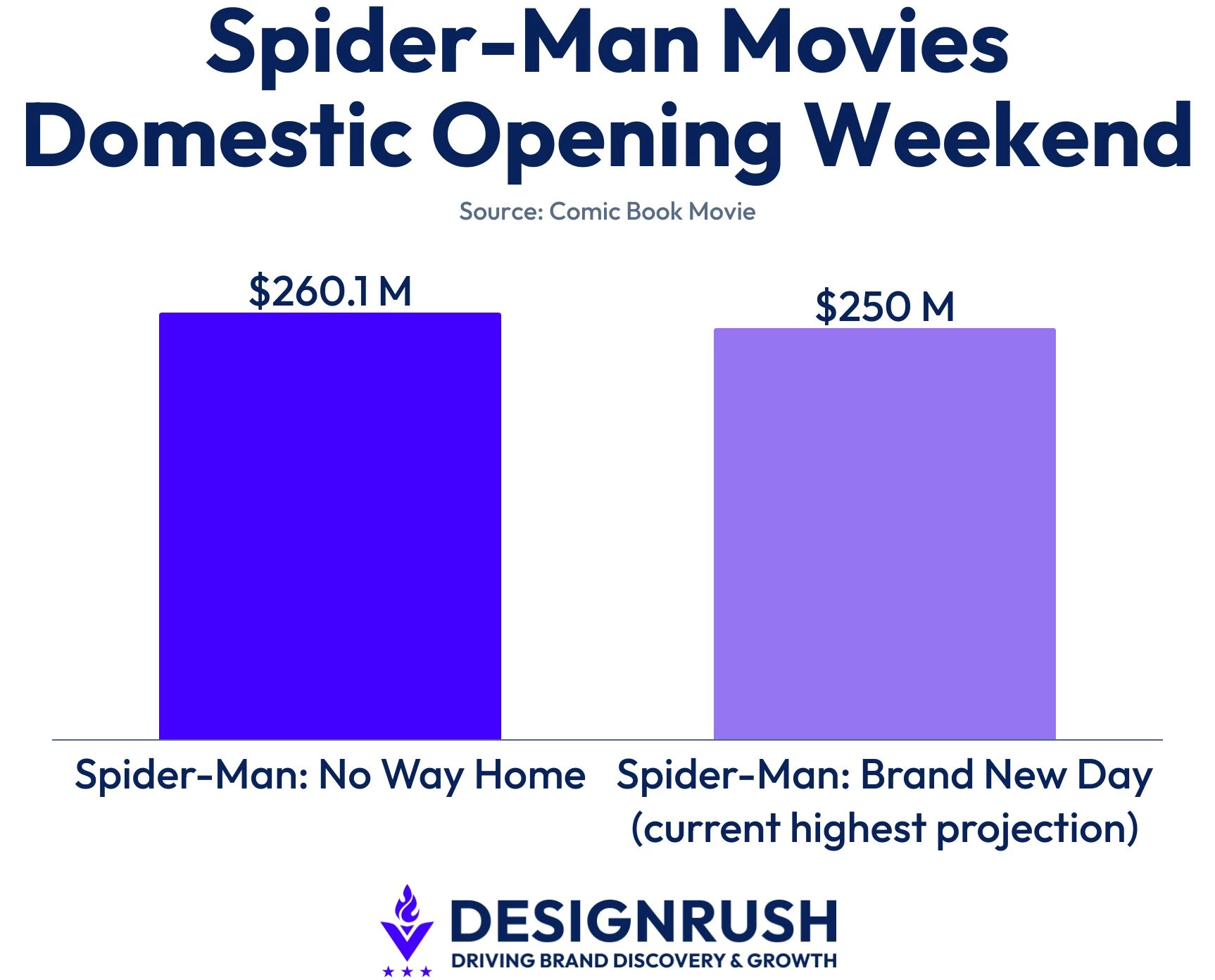
The film is currently shy of its predecessor, "Spider-Man: No Way Home," in terms of opening weekend earnings.
Comic Book Movie projects "Spider-Man: Brand New Day" will earn between $180 and $250 million domestically during its opening weekend.
But this could still change based on early screening reactions and embargoed reviews, which lift on July 28.
"Brand New Day" also loses IMAX screens during its opening run.
Christopher Nolan's "The Odyssey" holds a four-week IMAX exclusive through August 14, locking Sony out of the premium format and its higher ticket prices.
Spidey Tracker runs across 35 countries at once, giving Sony a free way to drive pre-release excitement worldwide.
With IMAX dollars off the table, this kind of global marketing could help Sony turn early buzz into opening-weekend ticket sales.
A digital experience people open by choice scales into every market at no extra cost, making the Spidey Tracker one of Sony's most efficient assets.
The campaign offers several lessons for marketers:
- Interactive experiences encourage repeat engagement. Brands should create digital destinations with evolving content to keep audiences coming back.
- Familiar technology reduces participation barriers. Teams should build activations inside platforms consumers already use to increase participation.
- Fiction can become part of everyday experiences. Marketers should adapt memorable in-story ideas into real experiences to deepen emotional investment.
The brands earning the most attention are designing experiences people actively choose to explore.
Our Take: Will Search Become Movie Marketing's Next Battleground?
Marketers spend a lot of energy picking where to run a campaign, when the better question is which daily product already holds their audience's attention.
Google Maps gives Sony something advertising rarely can: voluntary interaction.
Fans choose to explore the campaign, and we think that's the bigger opportunity.
As search, maps, and navigation integrate further into daily routines, they also become places where brands can tell stories.
But interactive experiences must feel useful, entertaining, or rewarding from the first click.
We think more advertisers will start treating everyday digital products as experiential media, especially as traditional ads become easier to ignore.
Looking to create interactive brand experiences that keep audiences engaged?
Explore these top experiential marketing agencies to find the right creative partner.