
For weeks, employees at Meta waited for the cuts to arrive.
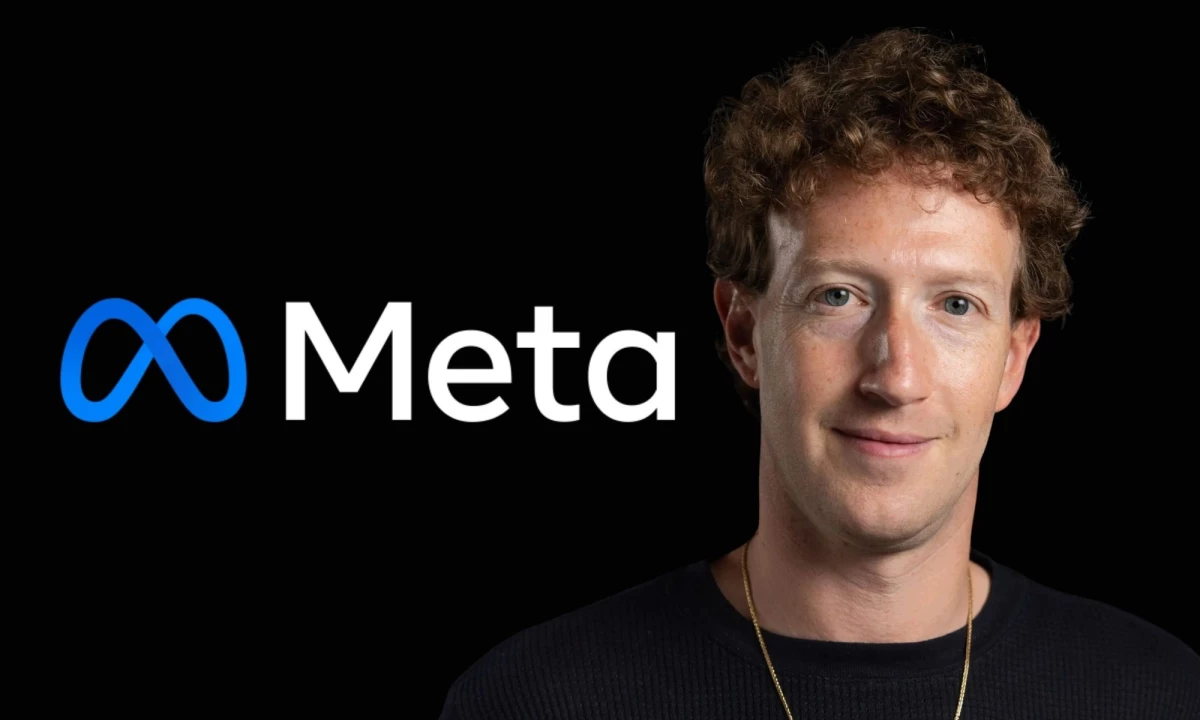
On Wednesday, the company confirmed layoffs affecting about 8,000 workers worldwide as CEO Mark Zuckerberg deepens the company's focus on AI.
Another 7,000 employees will move into AI-focused teams tied to products, agents, and infrastructure.
Meta will layoff 8000 of its workforce starting tomorrow morning. Their net income over the last 12 months was $70,587,000,000. They could give every single one of their 79,000 workers a $440,000 bonus and still sock away over $35,827,000,000 in pure profit. pic.twitter.com/N0WWzE2Gic
— Fuck You I Quit (@fuckyouiquit) May 19, 2026
Workers in Singapore received notices first at 4 a.m. local time before the layoffs spread across the U.S., Europe, and other regions.
The cuts arrive despite Meta reporting strong revenue growth last month and planning up to $145 billion in AI-related spending this year.
"Success isn't a given. A.I. is the most consequential technology of our lifetimes," Zuckerberg wrote in an internal memo reviewed by multiple news outlets.
Meta's restructuring shows how AI investment is influencing hiring, budgets, and workforce planning in the tech industry.
The company has been moving in this direction for some time, with its retreat from the metaverse setting the conditions for where its priorities sit today.
Meta Reorganizes Around AI
The tech giant's latest overhaul reaches far beyond cost-cutting.
The company is reorganizing around AI development at nearly every level of the business.
New Applied AI and Engineering teams reportedly include around 2,000 employees working on internal tools and automation systems.
Employees have also raised concerns about Meta's internal AI training systems, which reportedly collect workplace activity data.
More than 1,000 employees signed petitions opposing the program.
Andrew Bosworth, Meta's chief technology officer, acknowledged growing anxiety inside the company during an internal Q&A session.
"There are a tremendous number of employees feeling anxieties about their futures," Bosworth said.
"It's all bad. I'm not going to try to sugarcoat that."
I survived the first 3 mass layoffs at Meta before eventually negotiating a mutual separation agreement, which was pretty good, if I say so myself.
— Alan (@bitforth) May 21, 2026
Before all of that, I held Meta/Facebook in extremely high regard. I honestly believed it was the best tech company on Earth to… https://t.co/aGSG60bW95
This continues the tech company's long-running transition deeper into AI infrastructure and superintelligence research.
Meta's latest move follows earlier layoffs across Reality Labs and budget reallocations toward AI investments.
AI Spending Changes Big Tech's Hiring Priorities
The race to scale AI products is changing how companies structure teams, assign budgets, and measure productivity:
- Efficiency now drives restructuring. Companies are reducing overlapping roles to improve operational speed and lower costs.
- AI investment changes workforce planning. Businesses should retrain employees early to preserve expertise and reduce disruption.
- Employee trust affects adoption. Brands should communicate AI monitoring policies clearly to reduce backlash and retention risks.
Recent workforce cuts across tech and media companies show how aggressively businesses are reducing headcount.
Coinbase, Amazon, and Paramount Skydance have all tied mass layoffs to AI adoption efforts.
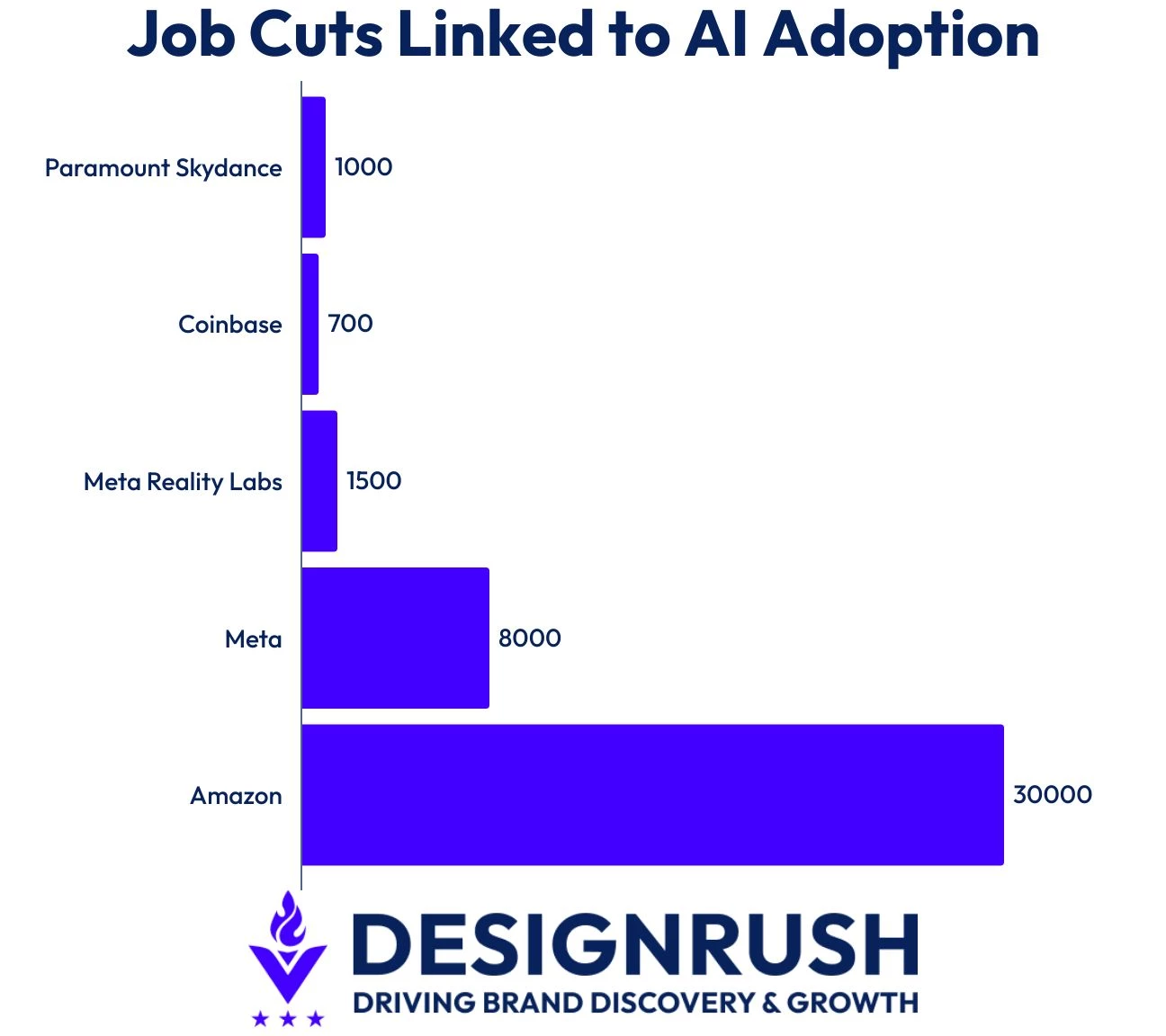
Layoffs are becoming a recurring part of how major brands reorganize for long-term growth.
At the same time, companies face mounting pressure to prove that automation can improve productivity without weakening employee confidence.
Our Take: Will AI Spending Keep Driving Layoffs?
Most likely, especially at companies racing to show returns on their AI investment.
Meta's restructuring suggests large tech firms now view AI as an operational priority.
We are seeing companies flatten management layers, consolidate teams, and redirect employees toward AI operations while reducing headcount elsewhere.
However, employee backlash over monitoring, reassignment, and layoffs could make retention harder even for companies offering large compensation packages.
The companies that balance automation with internal trust will be better positioned to sustain growth over the next decade.
Meta’s latest cuts follow years of restructuring, starting from its "Year of Efficiency" plan.
Brands adapting to AI-driven restructuring may need support across operations, communications, and digital strategy.
Explore these Top AI HR Companies in our directory.