
Aligning Web Design with Branding: Key Points
- Shakuro launches a new website for acclaimed Italian designer Mirko Romanelli, focused on simplicity and personal branding.
- Companies with consistent branding across touchpoints can see up to 20% higher revenue growth.
- Shakuro’s use of deliberate space and movement highlights how removing distractions can strengthen narrative and engagement.
When its design perfectly encapsulates a brand’s story and identity, a website stops being a mere portfolio and becomes a conversation that conveys both purpose and craft.
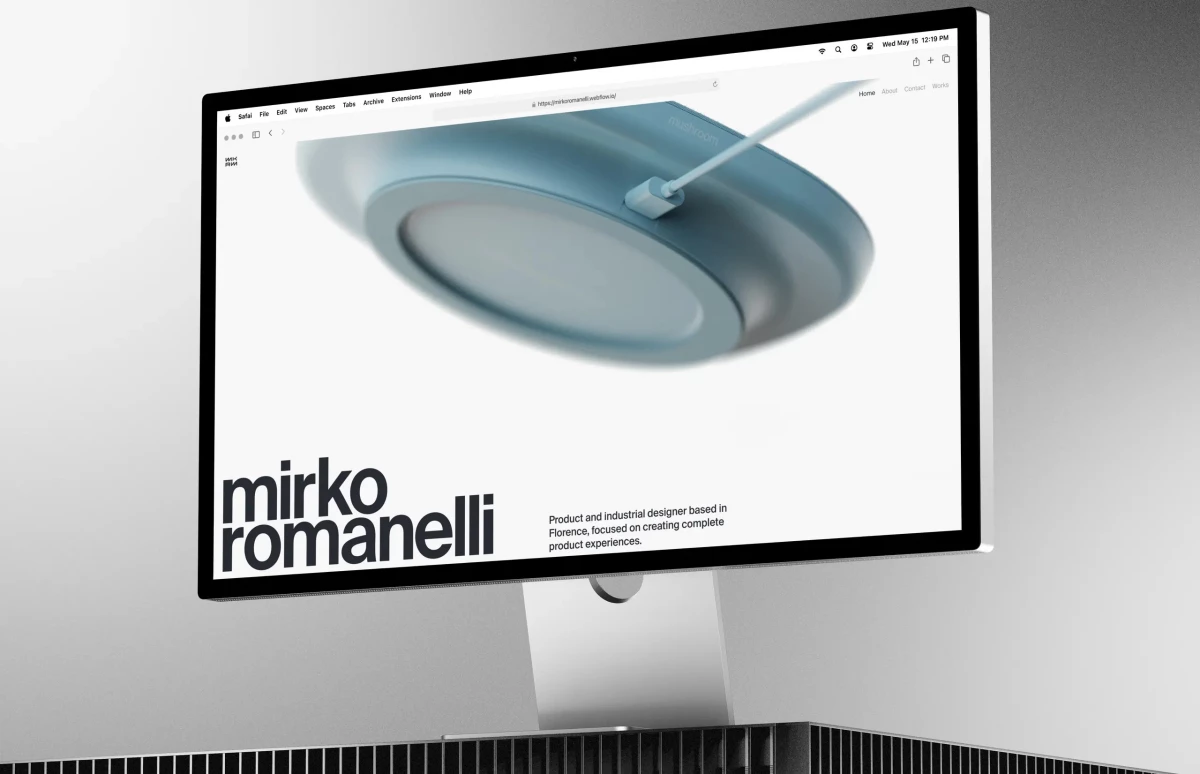
That’s exactly what leading global design agency Shakuro achieved when it launched a new website for Florence-based product and industrial designer Mirko Romanelli, whose work is known for precision, elegance, and a deep respect for materials.
Romanelli’s portfolio has always communicated a balance between restraint and invention, form and utility.
For Mary-Ann Sadovaya, Creative Producer at Shakuro, translating that philosophy into a digital experience was essential:
“Mirko’s commitment to minimalism, concept-driven design, and the artful balance of function and storytelling inspired us, and we saw a chance to bring his digital presence to a new level.
The best websites extend a brand’s way of thinking rather than simply display it, so we had to make sure that this website felt as deliberate as Mirko’s work itself.”
The result is a seamless series of visuals and UX design choices that showcase the designer’s work and worldviews.
Romanelli, in turn, praised the outcome of the redesign:
“The work looks great and I am very pleased with the website. I really like the solutions used, and I find them very consistent with each other, and they give dynamism to the site.”
The collaboration is a stark reminder of how web development now functions as a brand strategy, and a way to turn clarity of vision into a commercial advantage.
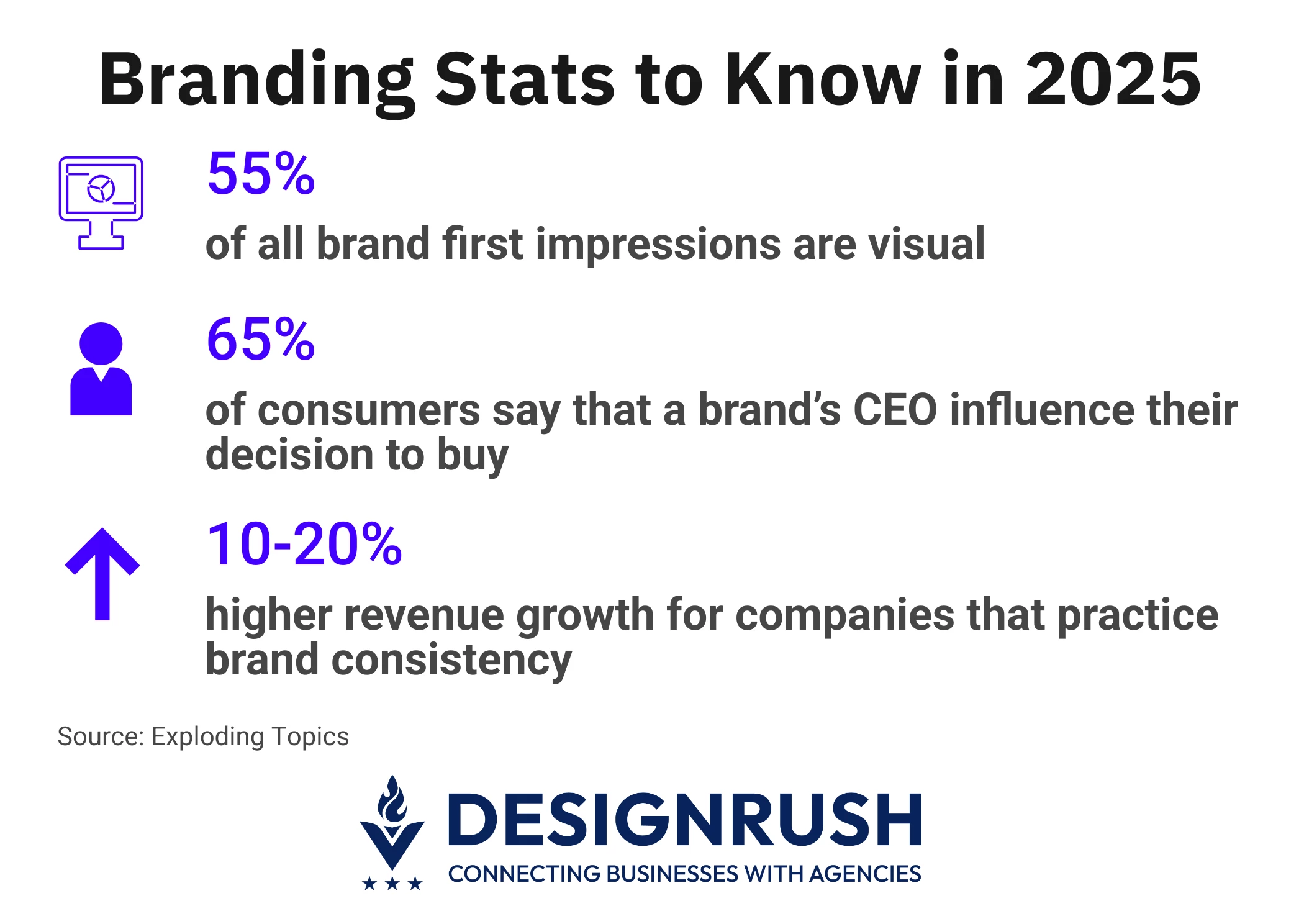
According to a report from Exploding Topics, the US Chamber of Commerce has found that 55% of brand first impressions are visual.
The same report also showed that brand consistency across touchpoints can drive 10 to 20% higher revenue growth.
 All of these point to two simple truths: brands with a story sell, and consistency in messaging builds the trust needed to unlock growth.
Where Aesthetics Meet Purpose
For Shakuro’s team, design was never treated as decoration but as dialogue.
The process began with a logo that was clean, deliberate, and able to adapt without losing its identity.

From there, the team developed a cohesive brand identity system that focused on a purely minimalist palette, which set the tone for typography, color choice, and other essential visual elements.
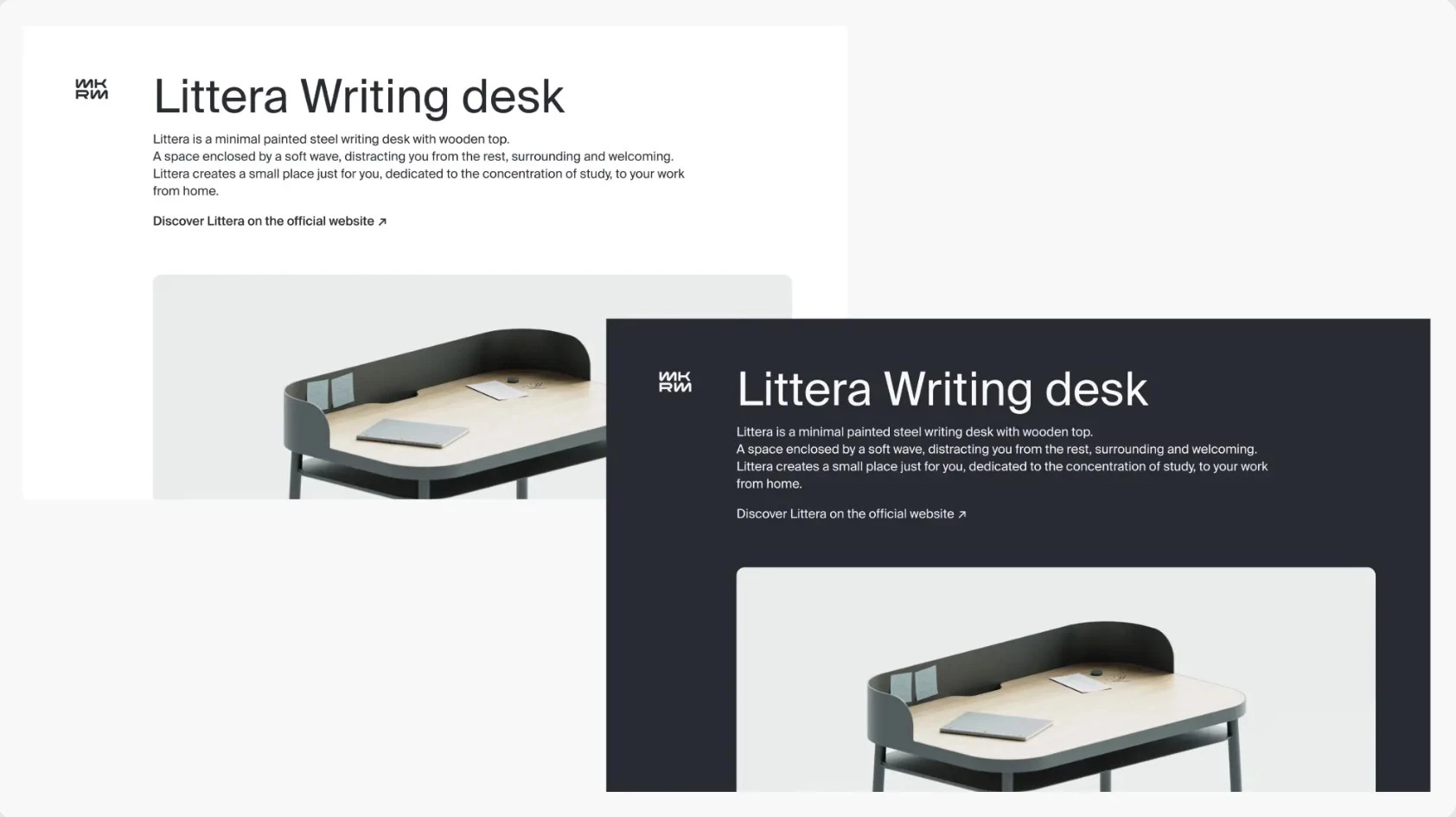
The design philosophy also extended to the website’s UX/UI.
Shakuro opted for wireframes and layouts devoid of clutter, keeping user focus squarely on key visuals.
Likewise, subtle dynamic elements, such as ripple and cascading animations on the home page, were introduced to keep visitors engaged without overwhelming them.
Additionally, the entire concept is bound together by Shakuro’s choice of platform for the project, Webflow. The user-friendly, no-code platform is light, easy to optimize, and allows for quick updates to content.
All these decisions matched Romanelli’s personal brand perfectly, allowing his work to speak for itself.
Design Decisions Worth Borrowing
There is a quiet confidence in design that knows what it wants to say.
Unfortunately, many companies still treat their websites as decorative afterthoughts
That said, brands and agencies looking to achieve a similar effect in their website redesigns should integrate these lessons:
- Align visual identity with brand positioning, not the other way around. Mirko Romanelli’s website is essentially an extension of who he is as a designer. This alignment between his branding and the site’s visual appeal pushes both elements to the next level, an especially important factor in industries where design influences decisions before credentials do.
- Treat UX as a storytelling device. Clutter is often a sign of insecurity and indecisiveness. As such, every click should move the story forward and reveal character. If an element’s only job is to make something look “prettier” or “cooler,” it’s better off left out of the final design.
- Build adaptability into the foundation. Good digital design anticipates change, which is why having a modular structure is becoming a must for modern websites. As design trends, algorithms, and showcases evolve, having a website that can evolve gracefully keeps a brand relevant at all times.
Turn Your Website into a Brand Statement
The most effective websites operate as extensions of leadership thinking, capturing the tone and tempo of a company that knows where it stands.
That’s why a clear brand identity should always serve as the anchor of any and every design, grounding creativity and aesthetics in one purpose.
And if it isn’t?
Then the website stops being strategy and becomes scenery.