-details-webp.webp)

Key Takeaways:
- A poor website experience will chase away 88% of users. That’s how quickly you lose potential customers.
- To build trust, brands must listen closely and focus on user needs, not flashy distractions.
- A website is more than an online storefront. It’s a strategic tool that connects with customers and drives growth.
A poor website experience will chase away 88% of users, according to the Baymard Institute. And Jeff Nordstedt has spent his career defending users from those poor experiences.
As Director of User Experience (UX) at eDesign Interactive, Jeff helps brands turn complex ideas into websites that are simple, practical, and easy to use.
Because for him, good UX is how businesses earn trust and move forward.
In our interview, Jeff shares why great UX starts long before the first wireframe, the UX design principles that build credibility, and how listening — not flashy features — is what drives real results.

Who Is Jeff Nordstedt?
Jeff Nordstedt is the Director of User Experience at eDesign Interactive. With a background in publishing, digital strategy, and UX design, he builds websites that are intuitive, content-driven, and focused on the user. Over the last 20 years, Jeff has led interactive teams, run his own agency, and worked with global clients to create digital experiences rooted in empathy and clarity. He brings a thoughtful, content-first approach to every project, ensuring that design serves the message.
Editor's Note: This is a sponsored article created in partnership with eDesign Interactive.
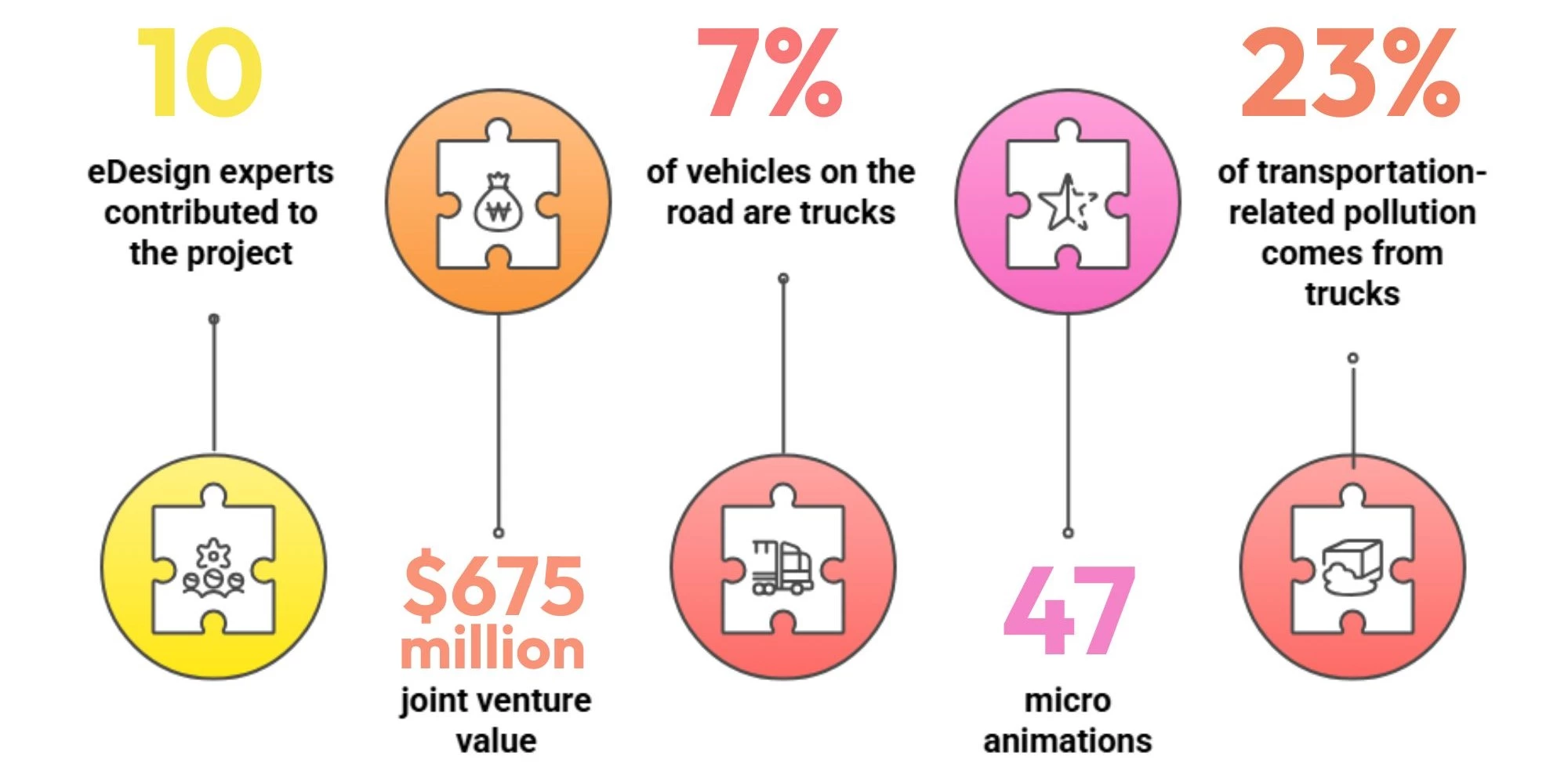
As the Director of UX, Jeff helps lead digital projects for brands creating entirely new markets. For instance, his latest project, Greenlane, is building the first coast-to-coast zero-emission freight charging network in the U.S.
But, beyond wireframes and design systems, he also helps organizations find better ways to connect with customers.
“I took an unconventional path to UX design. While classroom learning helped build some foundational skills, the most profound lessons came from working directly with clients, navigating the complex interplay between brand objectives and user needs,” he tells me.
The Real UX Work Happens Before the First Wireframe
If you ask Jeff about his achievements, he doesn’t mention frameworks or templates. Instead, he talks about trust.
“The most successful projects have been those where clients embraced my advocacy for their users, even when it challenged entrenched internal priorities and politics,” he explains.
The key to achieving this is listening — so much so that Jeff tells me he feels part of the clients’ teams.
It’s something they catch on to, which also deepens the relationship from “client and vendor” to something more partner-like.
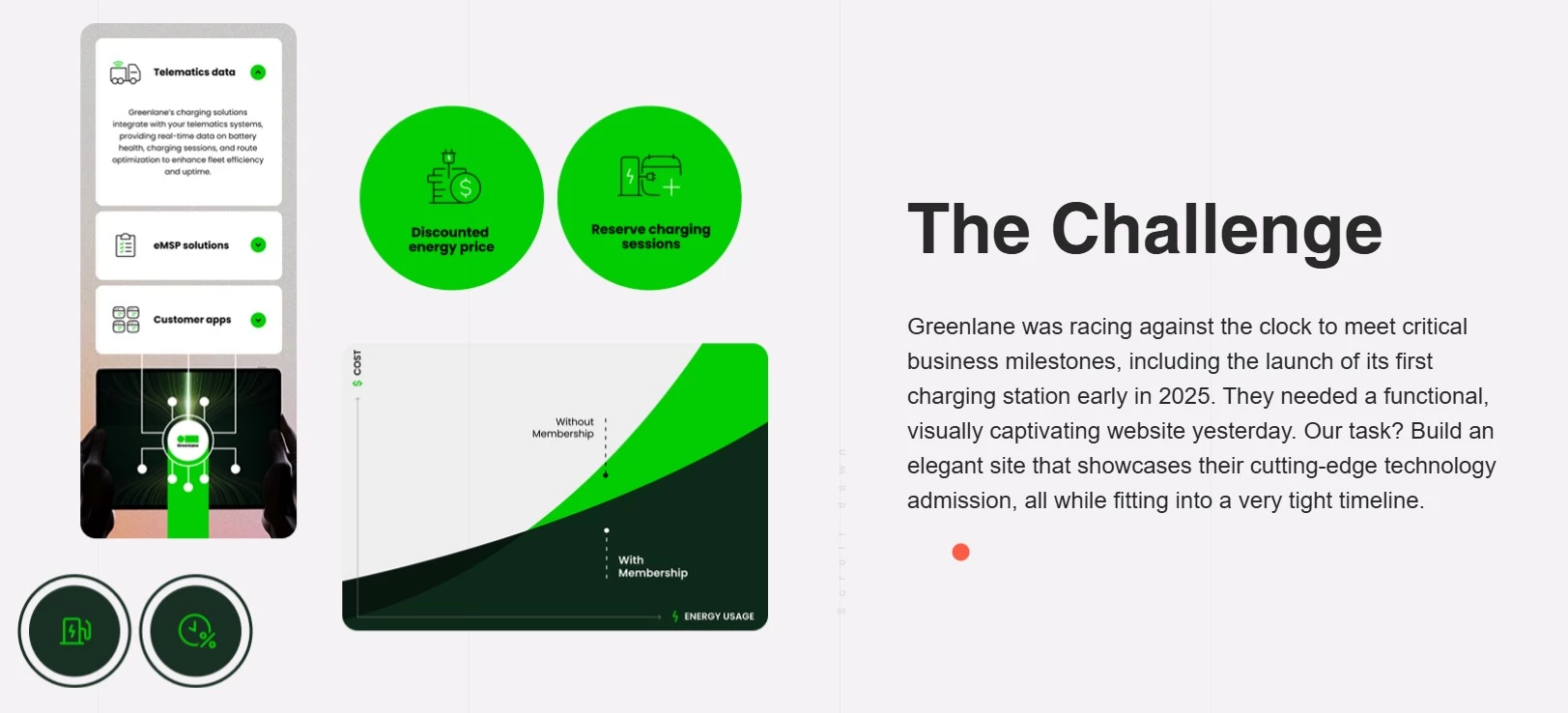
This mindset becomes crucial on large projects like Greenlane, where the product, the audience, and even the industry can still change.
“Greenlane approached us at a pivotal time in their development. Initially focused on traditional start-up objectives such as fundraising and forging industry partnerships, they were now shifting their attention toward launching their first locations and engaging directly with potential customers,” Jeff says.
Built to Scale with Purpose
That shift in priorities called for a website that could grow with them. But they needed clarity.
The project was rolled out in three phases:
- A simple introductory page to explain who Greenlane is and what they do
- A site update timed with the launch of their first location
- Scalable features to support ongoing growth as more sites open and operations expand
Each phase was planned to coincide with business milestones fixed on Greenlane’s calendar.
“So, the trick was to try to learn as much about the destination of the project as quickly as possible so that we had an idea of what kind of content and UI needs would be coming,” Jeff explains.
“Even when the immediate objective was to swiftly launch a minimum viable product (MVP) landing page, we seized that chance to begin developing a flexible design system. This system was crafted to adapt and fulfill the needs of the product envisioned for the final phase of execution.”
Greenlane didn’t need a flashy marketing site. They needed something functional and fast, and that future-ready thinking is what helped it scale in functionality and message as the business matured.
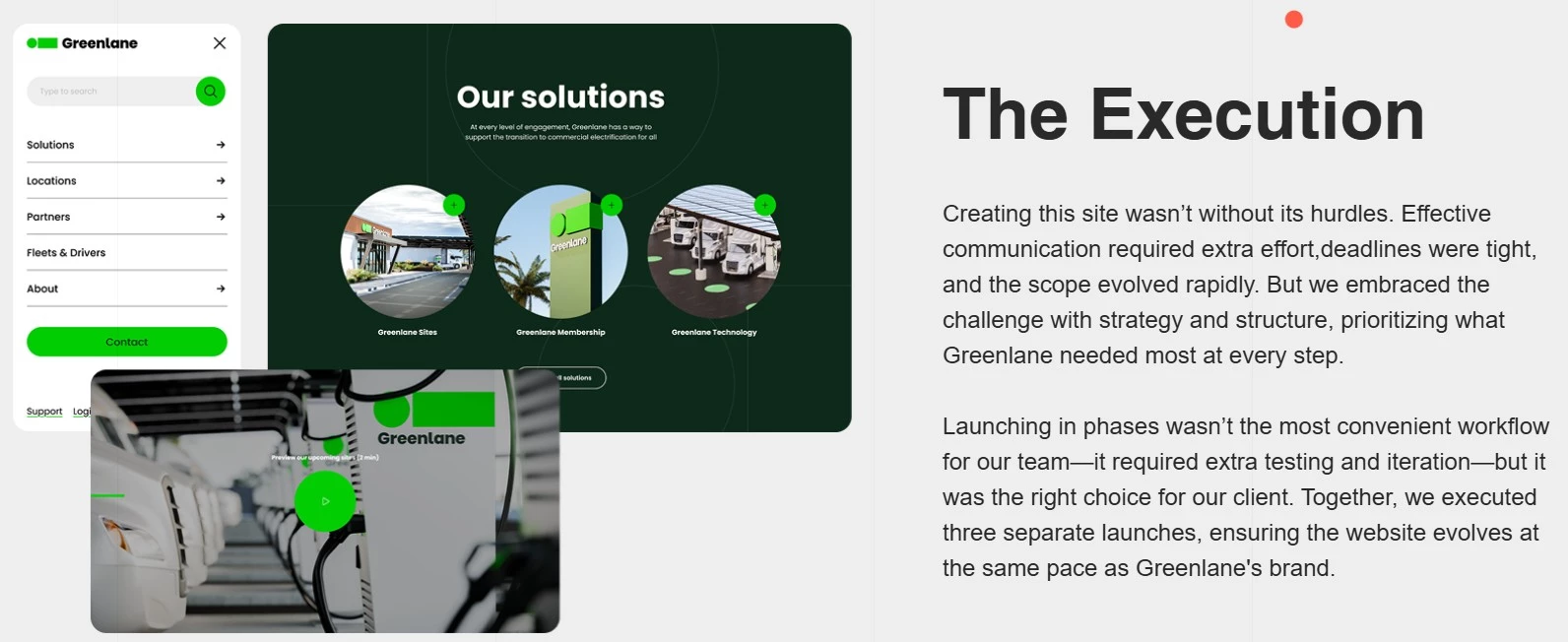
The key is understanding the audience.
In this case, the audience spanned from “cutting-edge EV technologists to traditional trucking and shipping users,” Jeff notes.
“The user experience, which is as modern and innovative as their technology, remains approachable and non-intimidating for the more traditional segment of their audience.”
The result? The site was structured to let each audience segment quickly identify themselves and access the information most relevant to their needs.
The UX Trap: Falling in Love With Complexity
That focus on the audience helped Greenlane steer clear of a mistake Jeff often sees in projects like this.
It’s easy to get caught up in what the product can do and lose sight of what the user needs.
“The most common mistake would be to let enthusiasm for their technical accomplishments overwhelm the needs of their users. I am happy to say that Greenlane was with us from the start in our mission to avoid this trap,” Jeff says.
It’s a dangerous mistake, especially in sectors like transportation and clean-tech.
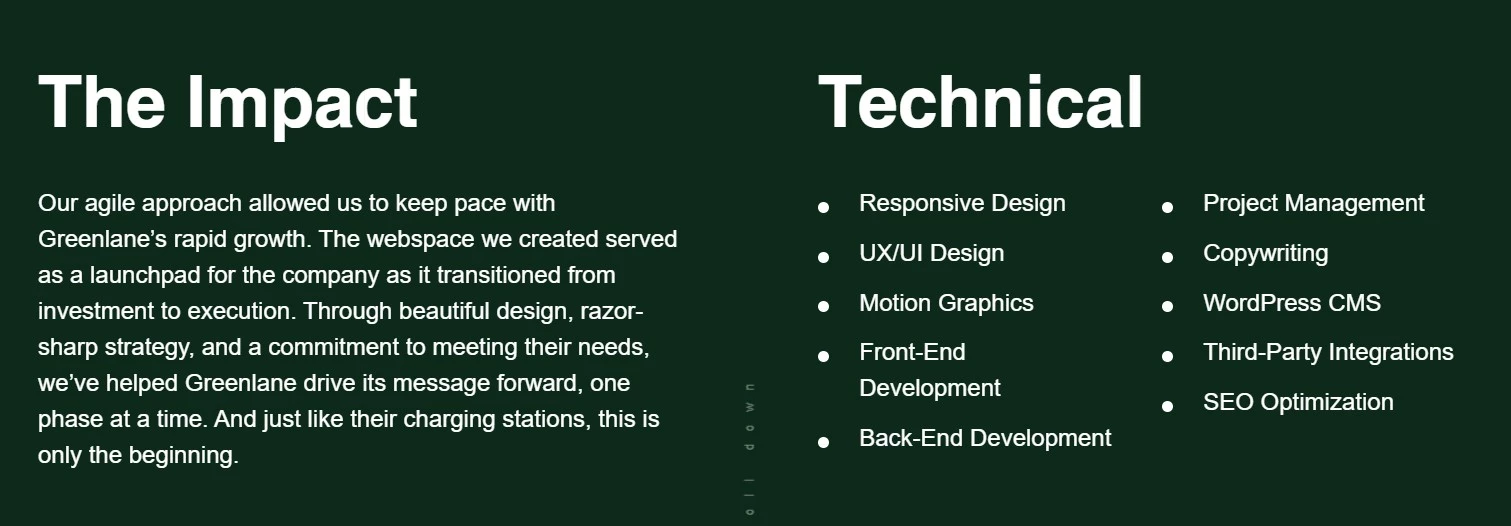
Greenlane’s team brought deep knowledge and commitment to the mission. But the people they aimed to reach were facing a big challenge: they needed simplicity and reliability, not technical detail.
“The difficulty was in conveying this depth of knowledge and enthusiasm to an audience experiencing a significant and sometimes challenging transition.”
Jeff helped Greenlane change the approach. Rather than overwhelming users with technical details, the team focused on building trust.
“Our main challenge was transforming Greenlane's detailed expertise into an easy-to-use experience that inspires confidence among prospective customers,” he adds.
Metrics That Actually Matter
Focusing on the user changes how success is measured. Instead of just tracking site visits or page views, the priority is on actions that build trust and start real relationships.
Because the business Greenlane caters to is historically built on relationships, it is still in the early days of raising awareness and educating potential customers.
In this case, the primary metric of success lies in the number of form submissions. These provide opportunities to initiate and nurture new relationships.
For Jeff, the deciding factor is whether the website earns enough trust to get visitors to share their contact details.
At the end of the day, having those details is how Greenlane turns interest into meaningful connections.
Measuring UX success means looking at how well the website generates leads. It’s not easy to determine how informed those leads are, especially without past data for comparison.
But feedback from the business development team provides valuable insight into lead quality and whether the site is performing effectively.
“Their feedback on whether leads originating from the site are well-informed can serve as an informal but useful measure,” Jeff explains.
Trends Come and Go — These Principles Don’t
Jeff believes that focusing on user needs and respecting content will never go out of fashion.
Still, he gives credit to the team around him.
“I am blessed to work with very talented and ambitious designers and developers who are always at the forefront of what is possible to make things look and feel modern and cutting-edge.”
His influences show how he balances timeless strategy with modern craft. Experts like Karen McGrane, Kristina Halvorson, Donna Spencer, Brad Frost, and Jeffrey Zeldman helped him rethink what the web can be.
“Our lack of control over the web is not something to fight against, it is something to embrace to deliver great experiences,” he explains.
What if your website weren't just a place to visit, but a world to explore? 🤔✨
— eDesign Interactive (@We_Are_eDesign) May 6, 2025
In this article, you can find out why spatial web design is the future of digital engagement. 👇https://t.co/5ajlN4cmsM#WebDesign#SpatialDesign#DigitalExperience#UserEngagement#Innovationpic.twitter.com/w3MPKxWMYd
Jeff Nordstedt isn’t trying to dazzle clients with trendy UX terms or “innovative” page transitions. His message is much simpler and more disruptive.
“A website is never ‘just a website’. It forms an integral component of a broader communication ecosystem.
When agencies are tasked with ‘just building a website,’ they may find themselves unraveling threads that trace back to the very structure of the business.
Tugging on these threads not only enhances user experiences but also assists the business in positioning itself more strategically for a future increasingly intertwined with digital life,” he explains.
Greenlane’s website has become a key tool for building trust with customers during a big industry shift. If users are confused, they leave.
Jeff’s approach is straightforward: listen carefully, focus on real needs, and keep the experience clear.
That’s what delivers results.