
Food Brand Digital Storytelling: Key Findings
- With 51% of shoppers planning purchases online and 53% in stores, effective digital storytelling for food brands helps people understand products before they reach the shelf.
- Projects like Welch’s and Sour Jacks show that thoughtful visuals, motion, and product cues make food brand digital storytelling clarify multiple offerings without losing brand identity.
- Interactive details and micro-moments, such as Hardie’s AI-driven features, prove food brand digital storytelling can make familiar products feel fresh and guide choices naturally.
If a product can’t impress on screen, it won’t make it in the cart.
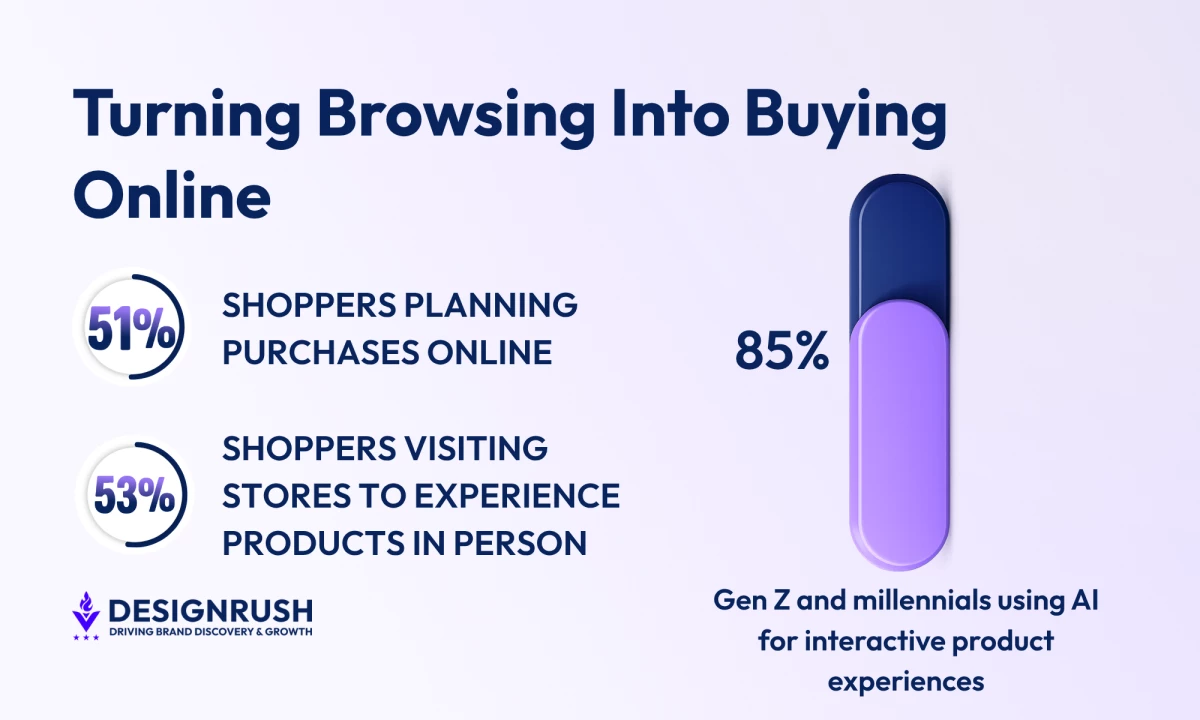
Shoppers split their time between online and in-store, with 51% planning purchases on a screen and 53% visiting stores to experience products in person, according to PwC’s 2026 retail report.
This tells us that how a brand presents itself online shapes how people understand it before they ever see it on the shelf.
And that meeting these shoppers where they are requires more than just attractive images.
It means creating experiences that capture attention and invite interaction, because shoppers engage with brands both online and in stores, so digital experiences carry real weight.
Gen Z and millennial consumers report high AI usage, with 85% using tools, SaaS provider Coveo found.
They expect interactive experiences that suggest options, answer questions, and let them participate.
The Sour Jacks website turned that expectation into a game-like experience that matches the brand’s playful, chaotic tone.
Editor's Note: This is a sponsored article created in partnership with eDesign Interactive.
Award-winning digital experience agency eDesign Interactive built features like a Pac-Man-style “Play Mode” and “The Way of the Wedge” to make that tone something users can explore.
“We focused on creating features that turn browsing into participation. Every interaction, motion, and visual element was designed to keep people engaged and make the brand memorable,” says eDesign Interactive Managing Partner Vincent Mazza.
And what happened when this idea was implemented?
Browsing turned into participation, engagement went up, and the brand’s bold personality showed at every digital touchpoint.
Interactive storytelling made the site stick in users’ minds.
Interactive Storytelling Brings Food Brands to Life Online
The Sour Jacks project showed how a brand’s personality can come through clearly online.
The same idea applies when brands need to show different products without losing who they are.
“We focus on showing the brand clearly in every visual and interaction,” Mazza says.
“The goal is to help people understand the product and move through the site naturally.”
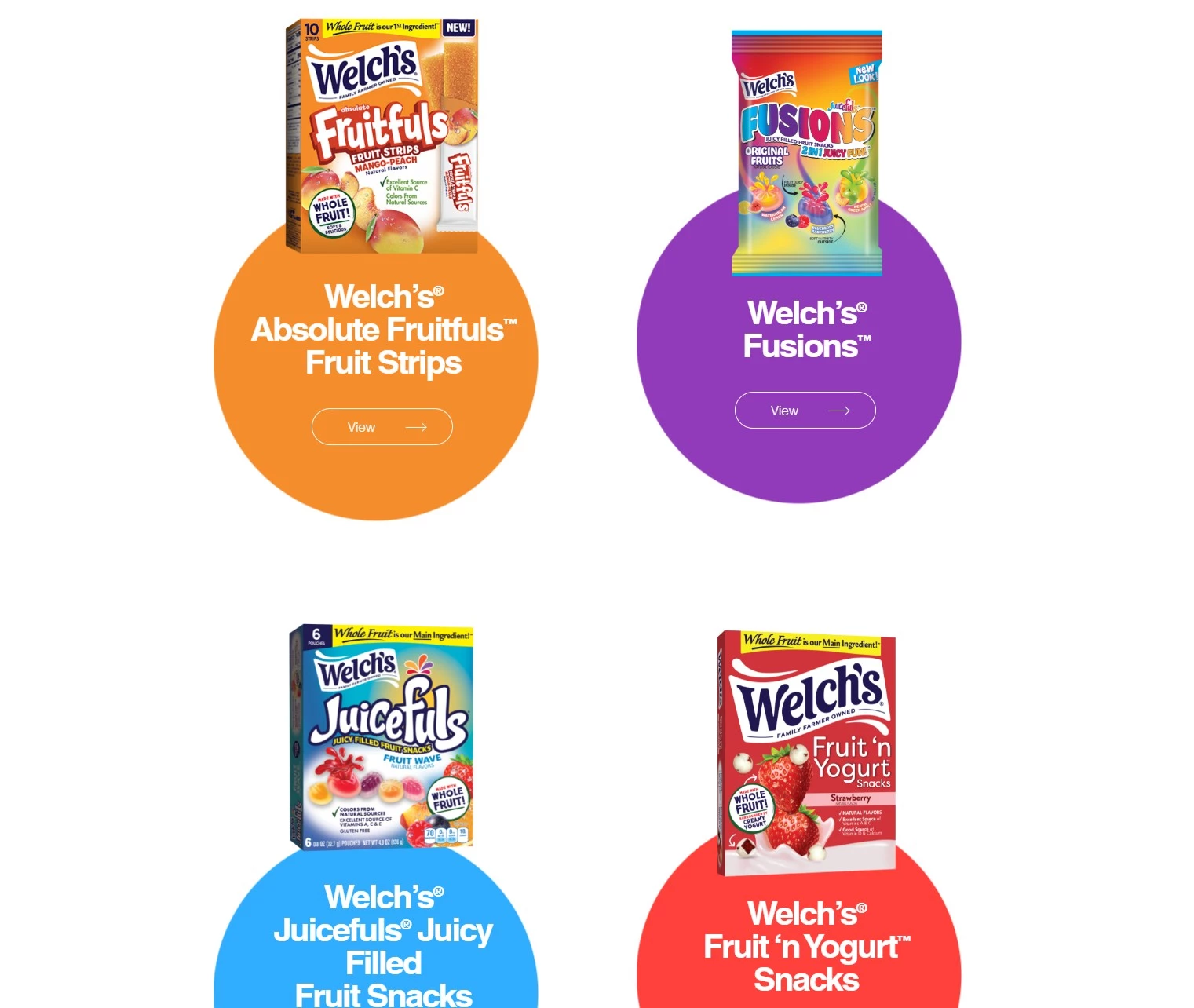
Welch’s Fruit Snacks shows how digital design can make variety clear without breaking the brand’s story.
For this project, eDesign Interactive used color-coded visuals, product-specific imagery, and a consistent “fruit-first” narrative.
For the Sun‑Maid Chocolate Raisins, the focus was on showing both indulgence and the brand’s long history.
The website presents the chocolate experience while keeping navigation clear and intuitive.
Conversely, Alaska Vodka tells its origin story through the website, keeping the focus on place and product.
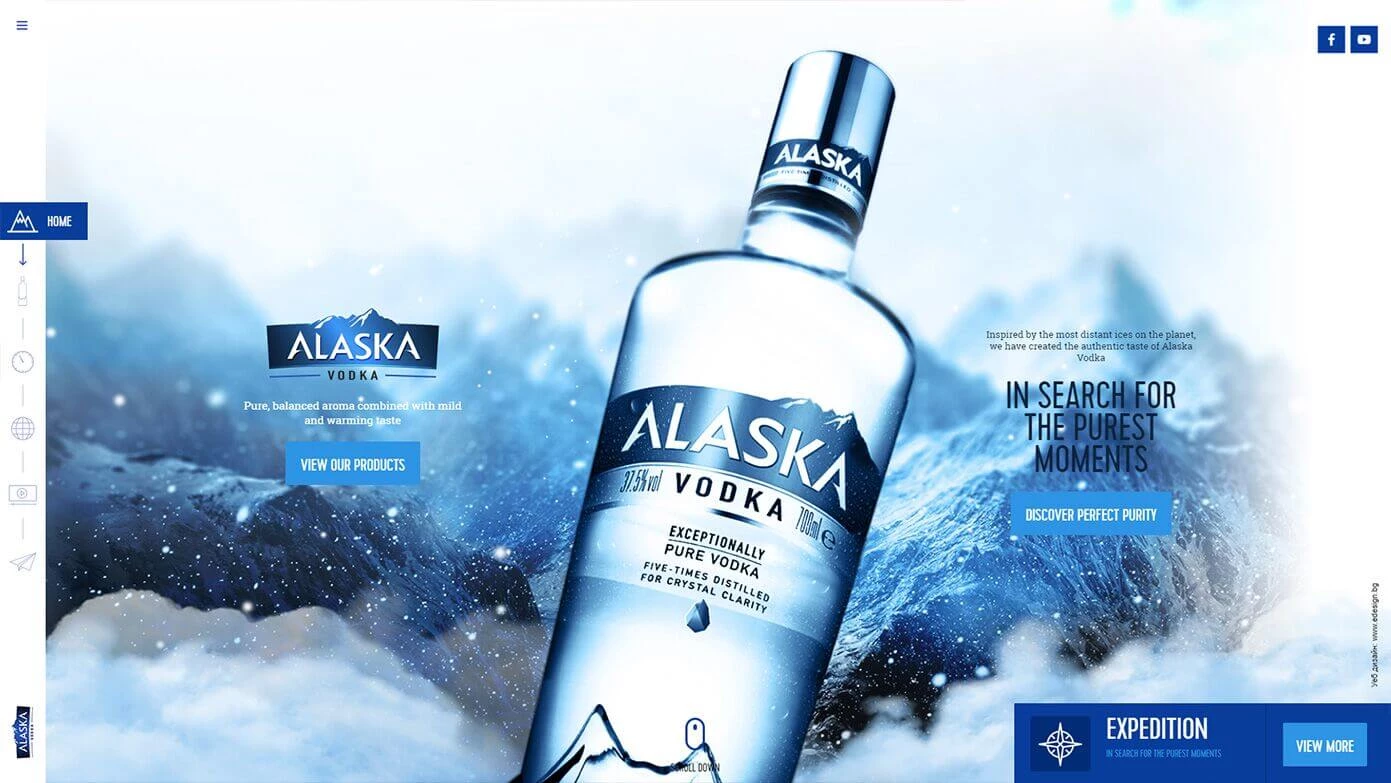
eDesign Interactive applied motion, imagery, and narrative-driven UX to let users explore the Denali expedition that retrieved the “purest ice on earth.”
The site is over 10 years old but continues to convey authenticity and maintain engagement.
And where Alaska Vodka leans on story, Weaver Popcorn leans on personality. This is done through bold colors, playful copy, 3D visuals, and micro-interactions.
Rethinking The Brand Story Beyond Products
Many food and beverage brands focus on selling products. Bon Appétit Management Company needed a digital presence that communicates philosophy, scale, and operational depth.
eDesign Interactive approached the site as a narrative transformation, making sure every page reflected the company’s principles from scratch cooking and environmental care to culinary excellence and long-term partnerships.
The visual design stands out. It is modern, confident, and unexpected for the category while honoring the company’s legacy.
No stock photos appear anywhere. Every image and video shows real chefs, real ingredients, and real dining environments.
Mazza emphasizes that authenticity is not just an aesthetic choice. It is a strategic decision. A brand built on quality and care cannot communicate its values with generic imagery.
The project shows how digital storytelling works today. It’s not just about showing products. It communicates values, shapes perception, and builds trust.
Details Make Digital Experiences Work
Taken together, these projects show how design steers how people read a brand and its products.
Color, motion, imagery, and interaction all help explain what the brand is about.
They guide attention and keep users moving through the site without a second thought.
Little details matter.
Micro-interactions, clear layouts, and tiny cues help people understand the product quickly.
“Every interaction should make it obvious what the product is, how it works, and why it’s worth a look,” Mazza notes.
“Clear visuals, consistent layouts, and small interactive cues let people navigate and understand products without guessing.”
And, when the execution is tight, even everyday products stand out and invite a closer look online.
AI is now part of how some of these experiences are built.
On Hardie’s website, users can draw a fruit or vegetable, and the site immediately identifies the matching product.
These interactions make the experience more engaging while still useful.
Real-time recommendations, dynamic visuals, and personalized content do the same work.
Making Products Click: Lessons for Brands
When applied carefully, they help people move through options without getting stuck.
“AI can do more than automate. It can turn exploration into a guided experience, highlighting options and prompting discovery in ways a static page can’t,” Mazza adds.
What carries through is how much the small details matter.
People form an impression before they ever pick something up, so the experience has to do some of that work upfront.
The personality needs to be clear, the product needs to make sense fast, and the experience should feel easy to move through.
That shows up in a few consistent choices across the work:
- Start with the product story so every visual and motion cue reflects what the brand stands for
- Use interactivity with intent, whether through micro-interactions or small moments that invite exploration and keep people engaged
- Structure product ranges so options are easy to scan, with visual cues and content doing the heavy lifting, so people can tell the difference quickly without losing the thread of the brand
Handled this way, the digital experience does more than just show products.
It helps people understand them, remember them, and feel confident enough to choose them.