
AWS Outage Recap: Key Findings
- A service failure at AWS early Monday disrupted major platforms, including Reddit, Fortnite, Alexa, and Snapchat, reminding brands that infrastructure maintenance is now brand risk.
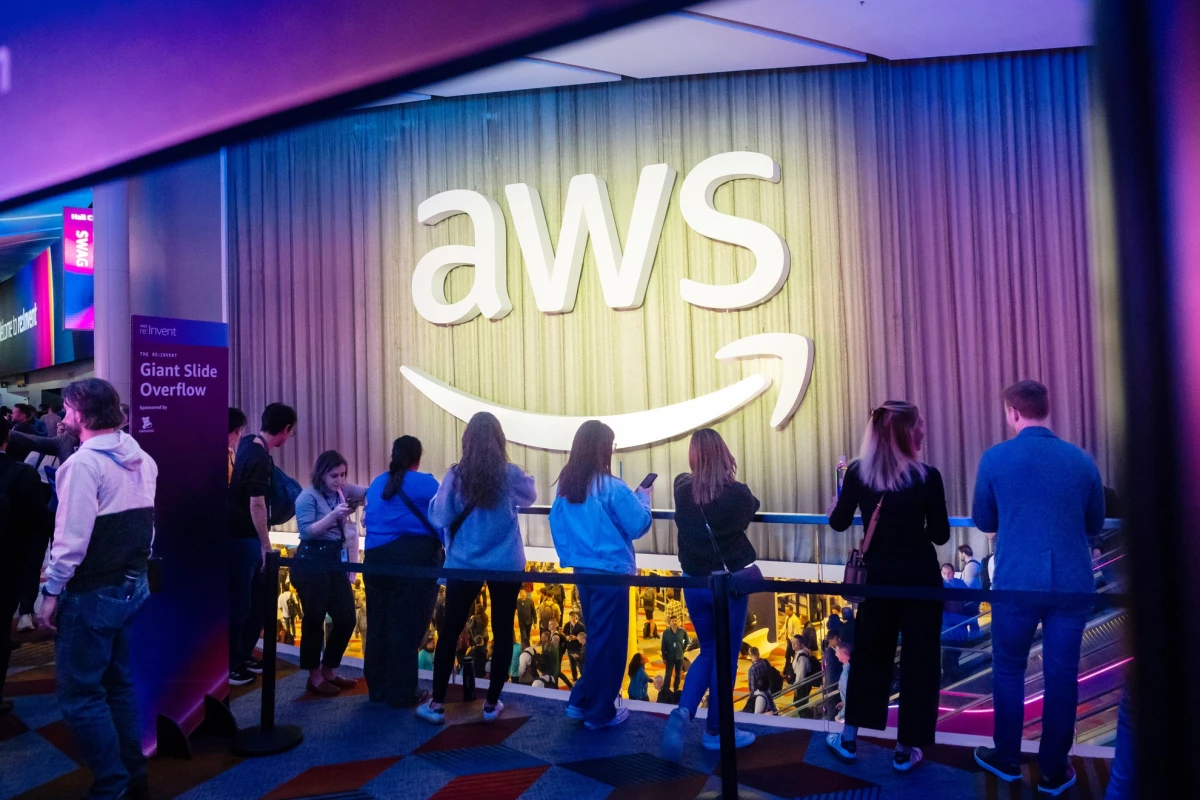
- Amazon holds roughly 30% of the global cloud market, meaning one regional error can cascade into millions of customer interruptions.
- The 2017 AWS S3 outage that cost S&P 500 firms an estimated $150 million and other past incidents show how downtime quickly translates into revenue loss and reputational damage.
Millions of people woke up this Monday morning to find apps frozen, devices silent, and payment systems stalled.
The outage, traced to DNS resolution errors within Amazon Web Services' (AWS) US-EAST-1 region, disrupted major consumer platforms across gaming, banking, and retail.
Alexa stopped responding; Snapchat, Reddit, and Canva went offline; and payment apps such as Robinhood and Venmo failed to load.
⚠️ An outage affecting several services on the internet is also impacting Fortnite log-ins. We're investigating this now, and will update you when we have more details.
— Fortnite Status (@FortniteStatus) October 20, 2025
AWS first flagged the issue at 3:11 a.m. ET, citing an “operational problem” that affected 14 core services in its US-East-1 region in Northern Virginia, NBC News reported.
Within hours, what began as a localized technical fault rippled across the internet.
Downdetector recorded more than 6.5 million outage reports, with over a thousand sites and apps going dark worldwide.
Those affected include the McDonald’s app, and United Airlines, T-Mobile, along with parts of the British government’s HM Revenue and Customs website.
At 6:35 a.m. ET, AWS said it had “fully mitigated” the database issue behind the outage, though it warned that users could still face slowdowns.
But by 10:14 a.m. ET, the company acknowledged new API errors and connectivity issues spreading through its network.
AWS later traced the problem to an internal EC2 network error that disrupted several key systems, including DynamoDB, SQS, and Amazon Connect.
The messages are fully encrypted with no advertising hooks or strange “AWS dependencies” such that I can’t read your messages even if someone put a gun to my head.
— Elon Musk (@elonmusk) October 20, 2025
You can also do file transfers and audio/video calls. https://t.co/l0GIIZYz6y
Social media filled with reports of stalled cloud games, frozen transactions, and unresponsive smart devices, showing how deeply everyday life now depends on a major digital backbone.
And of course, Elon Musk didn't forget to use the incident as a way to promote his new X Chat feature.
The disruption lasted for roughly four hours before stability returned, but the fallout lingered much longer.
“Even the most advanced systems can run into trouble. The real test is how teams plan for those moments," Goran Skorput, CTO at tech company Kanda Software, told DesignRush.
"Having strong redundancies and clear recovery steps keeps operations moving and helps companies maintain trust, even when something unexpected happens.”
Tracing the Fault Line in the Cloud
AWS confirmed that the failure originated in a configuration problem tied to its DNS systems, a type of internal error that has caused similar outages in the past.
Aras Nazarovas, senior information security researcher at Cybernews, shared with DesignRush that this often stems from “incorrect, updated configurations, or poor monitoring of expiration timelines for configurations and certificates.”
"[F]ailing to keep information or resources available for clients can be classified as a cyber incident, even if there was no malicious outsider or malicious intent,” Nazarovas said.
Signal, Snapchat, Amazon, Ring, and many others are affected. Read more ⤵️#Signal#Snapchat#Amazon#outage
— Cybernews (@CyberNews) October 20, 2025
Read more: https://t.co/tg2OnrPwCZ
The expert also pointed out that outages of this kind occur “almost every year” and can have serious consequences for sectors relying on uninterrupted access, including healthcare and finance.
His advice for businesses: maintain disaster recovery plans that include alternative communication channels and response coordination strategies.
AWS’s roughly 30% share of the global cloud market amplifies the impact of each failure, turning a technical event into an economic one.
The scale of its customer base also shows how deeply its infrastructure supports the digital economy, from startups to some of the biggest global businesses.
The company faced similar scrutiny during its 2017 S3 outage, which lasted four hours and cost S&P 500 companies about $150 million.
This just goes to show that even short interruptions can ripple through markets.
The episode echoed previous breakdowns, including the CrowdStrike software failure in July 2024 due to a faulty Windows update.
Global Windows outage hits computers around the world. This is linked to Crowdstrike update that cripples boot process. There are some workarounds. Do you think it may be fixed automatically, somehow? Oh well ... https://t.co/tLfiqhP96kpic.twitter.com/BSTp4iH0An
— Lukasz Olejnik (@lukOlejnik) July 19, 2024
This disrupted global systems with the Blue Screen of Death (BSOD) and flagged as "the largest IT outage in history."
It also reportedly cost Fortune 500 companies over US $5 billion.
Both incidents exposed how dependent organizations remain on centralized infrastructure and how limited visibility can amplify brand vulnerability.
The Brand Equation for Chaos and Recovery
Every outage reveals how much trust a brand really holds once the systems behind it stop working.
Brand resilience means staying credible and connected even when reliability is out of reach.
It's a combination of preparation, communication, and transparency into something customers can still believe in when everything else feels uncertain.
It's the result of being prepared for crisis, as Hawke Media CEO and Founder Erik Huberman as he shares his blueprint for resilience.
Here’s how brands can strengthen brand resilience amidst an outage like AWS':
- Audit dependencies and build redundancy. Brands should know which cloud regions and providers power their customer experiences and plan alternate routes before an outage occurs.
- Communicate in real time. When systems fail, quick, clear updates preserve loyalty better than silence or jargon-heavy explanations.
- Make reliability part of brand storytelling. Consistency and recovery speed are now competitive advantages that shape perception as much as campaigns do.
These actions can't prevent every outage, but they determine whether a brand emerges from one as reliable or unprepared.
Our Take: What Does Resilience Look Like in a Cloud-Dependent World?
I think this outage shows how brand equity now depends on unseen infrastructure.
At the end of the day, even though every news outlet is talking about AWS being responsible for the downtime, it's the brands that didn't respond timely that customers will remember in a negative light.
I believe that resilience today is more about transparency, preparation, and owning the moment before frustration fills this gap.
The companies that understand this connection between technology and trust will be the ones customers stick with through outages and crises.
The real limit of brand resilience appears when silence replaces accountability and action.
Communication defines perception. These crisis management agencies guide leaders in managing outages with speed, clarity, and credibility.