
A horror film is an unusual way to sell a laptop, but Microsoft Windows has found an entertaining way to demonstrate its latest machine.
The tech company and Droga5 recruited "Obsession" director Curry Barker to create and finish a short film without plugging in his computer.
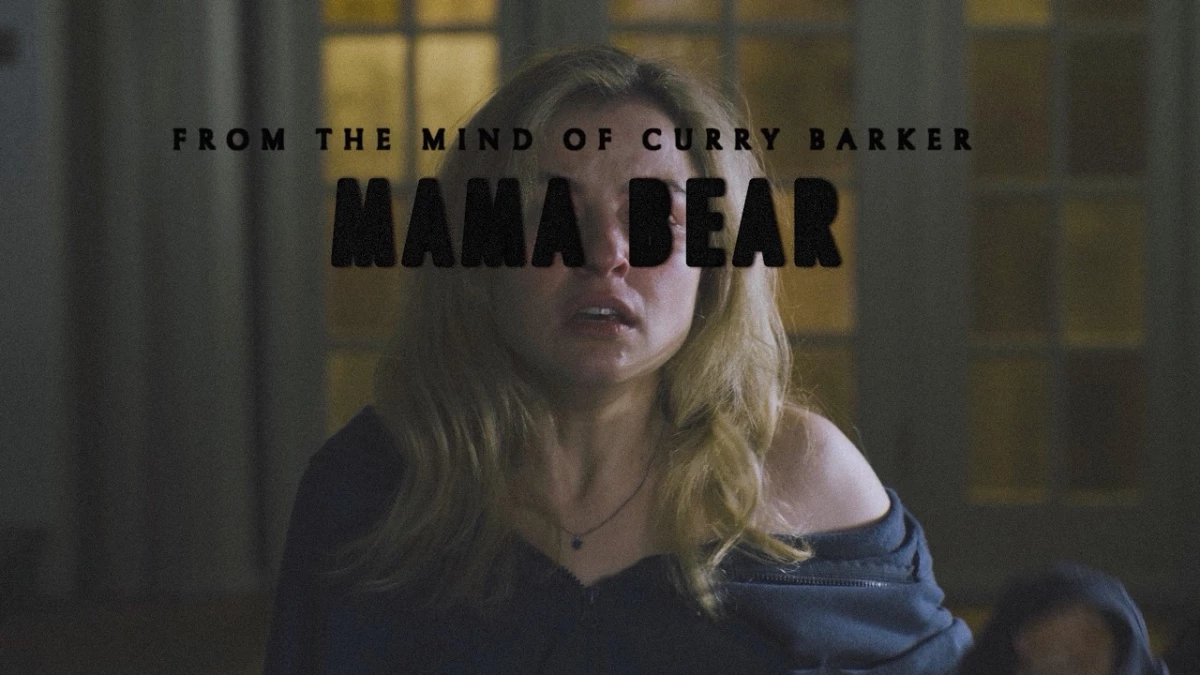
He then made "Mama Bear," a horror short demonstrating the capabilities of the Microsoft Surface Laptop Ultra, which the company describes as its most powerful Surface Laptop yet.
Released on Barker's social channels ahead of Halloween, the film is the first real-world demonstration of Microsoft's new brand platform, "What will you do with all this power?"
The campaign gives a creative professional a demanding assignment instead of relying on conventional ads filled with performance claims.
Gil Kuruneri, GCD at Microsoft, said the company wanted to see what Barker could accomplish with its latest hardware.
"We loved the idea of putting the most advanced Windows laptop ever in his hands and seeing where his imagination would take him," Kuruneri said.
Communicating performance improvements is a challenge in a category where competing products often make similar promises.
The project hopes to address that.
Barker operated multiple creative applications and completed demanding editing work without an outlet.
Microsoft says the Surface Laptop Ultra experiences less than a 1% drop in performance when running unplugged.
Cristina Reina, chief creative experience officer at Droga5 NY and the Americas, explained the agency's approach.
"The best product demonstrations shouldn't feel like demonstrations. They should be entertaining," Reina said.
Ultimately, the filmmaking challenge makes the computer's capabilities evident through the production process, giving Microsoft's new platform a practical starting point.
A Horror Short Puts It To Work
"Mama Bear" follows Floyd, a house cleaner who receives a cryptic phone call from a friend.
The conversation quickly becomes frightening when he tries to determine whether the caller is playing a prank or warning him about something dangerous.
Microsoft enlisted Corridor Digital, the production studio behind Corridor Crew, to handle the short's visual effects and document parts of the filmmaking process.
Notably, the studio also used Microsoft's laptop while developing the film's visual effects, giving the campaign another example of its intended creative applications.
Microsoft scheduled additional campaign material through November 2, with Barker and Corridor Digital sharing the content alongside the brand's own social accounts.
YouTube, Instagram, and TikTok will carry a separate demonstration film and behind-the-scenes stories.
To put it simply, the distribution gives Microsoft access to different audiences, primarily Barker's growing horror following.
At the same time, Corridor Digital reaches filmmaking and visual effects enthusiasts.
Creator-Led Advertising Has Commercial Potential
Video has become an established marketing tool, and the numbers support its value in product demonstrations.
Wyzowl's 2026 State of Video Marketing report found that 91% of businesses use video, while 85% of consumers have been convinced to purchase a product or service after watching one.
Meanwhile, the Interactive Advertising Bureau's 2025 Creator Economy Ad Spend & Strategy Report projected U.S. creator advertising expenditure to reach $37 billion in 2025.
That's a 26% year-over-year increase, with spending expected to reach $44 billion in 2026.
For agencies and marketers developing technology campaigns, three lessons stand out:
- Work backwards and give creators a challenge your product can solve: Microsoft asked Barker to use the product under conditions relevant to his profession, with the resulting work giving audiences something concrete to evaluate.
- Make the finished work the evidence: Entertainment can communicate performance more convincingly than specifications when audiences understand the production process.
- Choose creators with relevant audiences: Barker reaches horror fans, while Corridor Digital connects with filmmaking and visual effects enthusiasts. Both bring relevant communities into the campaign.
The strategy also recalls Apple's "Shot on iPhone" campaigns, which use finished photography and films to demonstrate what its devices can produce.
Microsoft's campaign applies this idea to laptop marketing, where sustained performance and battery life are important selling points.
Both give audiences creative work they can enjoy, not just evaluate.
Our Take: Can a Film Sell a Computer?
Selling a laptop through a filmmaker's working process is not something you see every day.
We spend plenty of time watching tech companies compete over numbers, but buyers want to know whether their machines can handle the work they have in mind.
Barker gives Microsoft a compelling answer, although one film cannot establish performance across every professional workflow.
Through future installations of "What will you do with all this power?" there's a bigger opportunity to bring in a 3D artist, music producer, or architect to test the Surface's capabilities.
This could give Microsoft a growing portfolio of creative work that speaks directly to different industries.
And that, to us, makes the platform far more useful than a collection of laptop ads.
Brands pursuing ambitious creative need partners who are all in on their ideas.
Take a look at these top creative agencies in our directory.