
Apple CEO Transition: Key Findings
- Tim Cook is set to step down as CEO after 15 years, moving into an executive chairman role focused on policy and strategy.
- John Ternus becomes Apple’s eighth CEO, moving from his role as SVP of hardware engineering into the top leadership position.
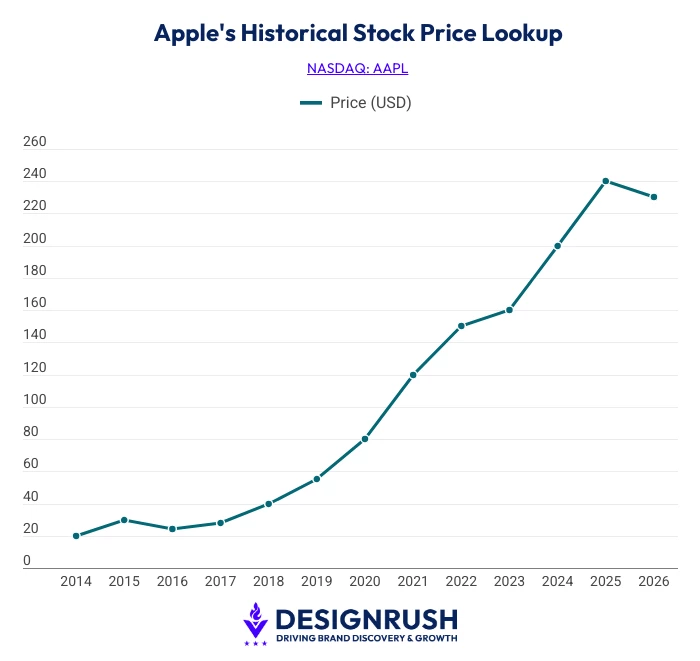
- Apple scaled massively under Cook’s tenure, with its market cap growing from $350 billion to $4 trillion.
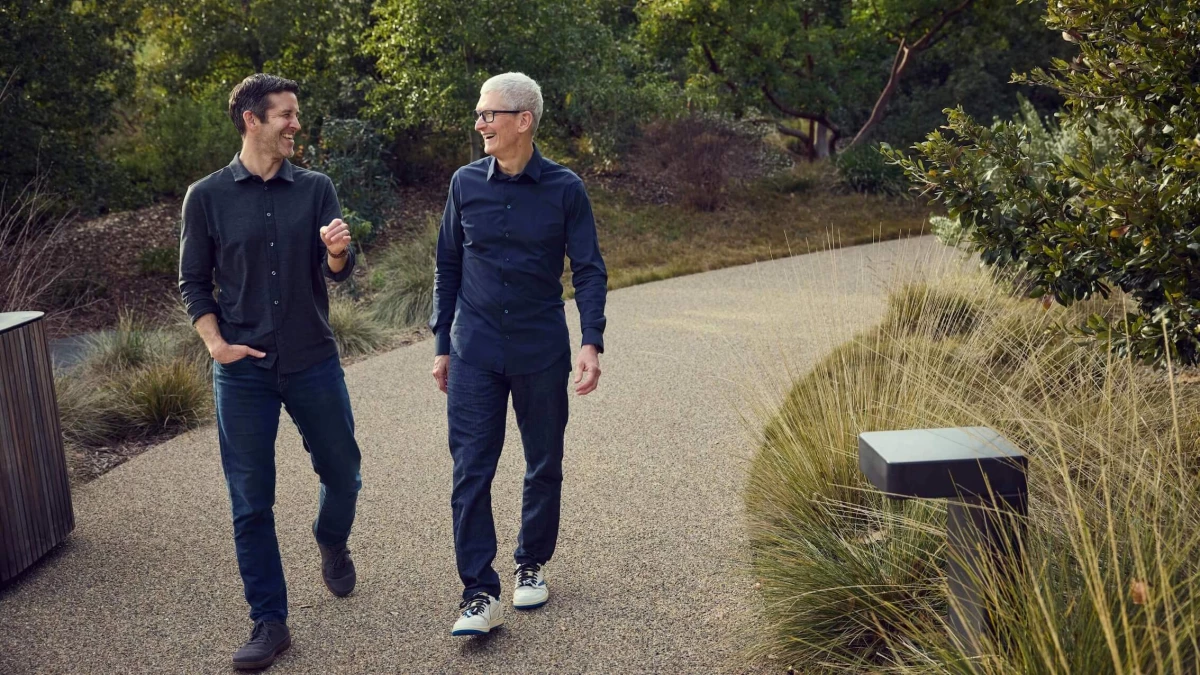
After 15 years as CEO, Apple announced on Monday that Tim Cook will officially step down on September 1, 2026.
He will continue to serve as executive chairman, focusing on global policy and long-term strategy.
"It has been the greatest privilege of my life to be the CEO of Apple and to have been trusted to lead such an extraordinary company," Cook said in a statement.
Apple recently marked its 50th anniversary, with the soon-to-be former CEO taking part in a tribute highlighting the brand’s cultural and product legacy.
An absolutely unforgettable afternoon in New York at Apple Grand Central!
— Tim Cook (@tim_cook) March 14, 2026
Huge thank you to @AliciaKeys for helping us kick off the #Apple50 celebrations. What a way to mark 50 years, and we're just getting started! pic.twitter.com/h67pdhBZP7
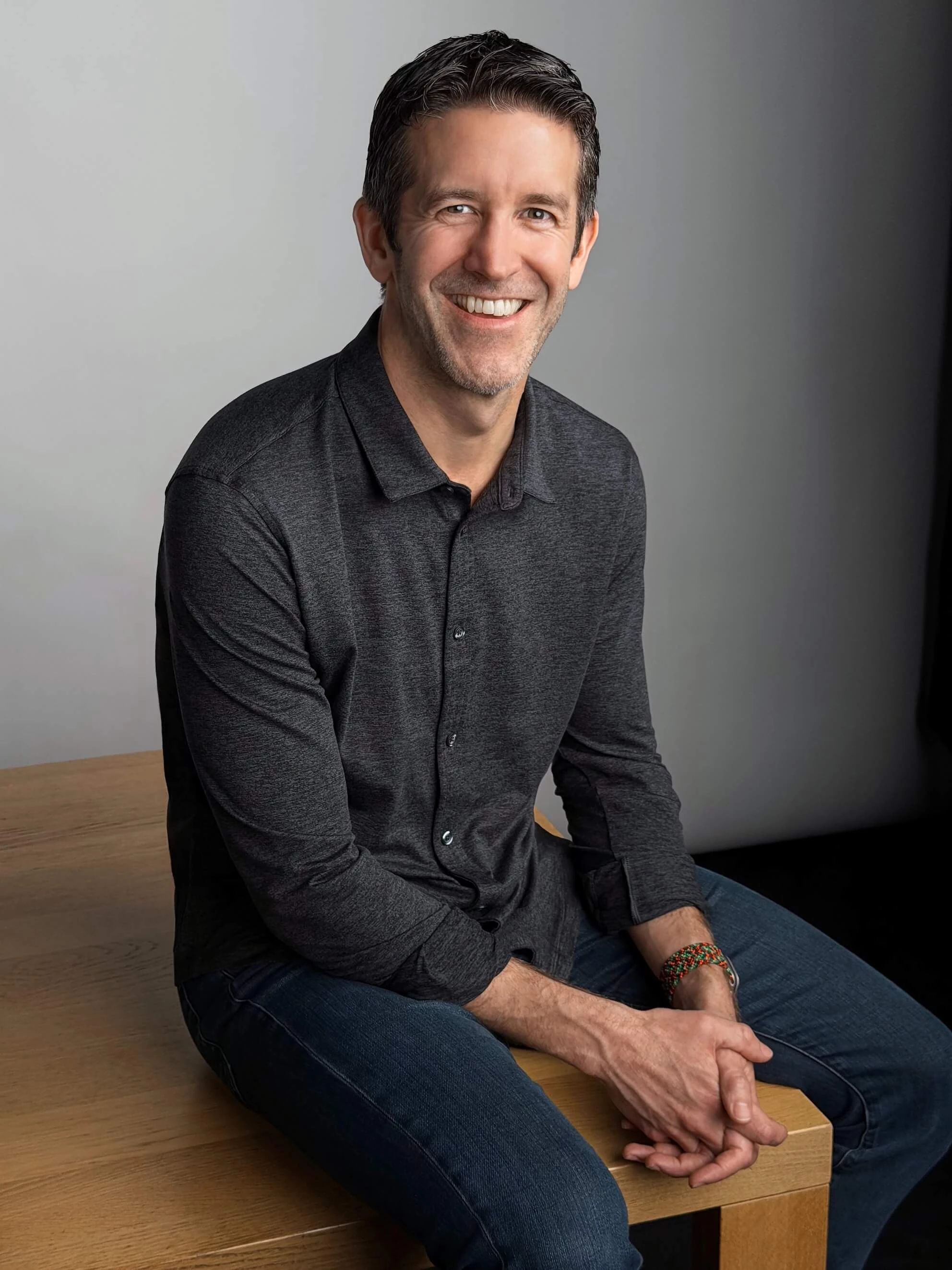
John Ternus will take over as the eighth CEO, moving up from his role as senior vice president of hardware engineering.
"Having spent almost my entire career at Apple, I have been lucky to have worked under Steve Jobs and to have had Tim Cook as my mentor," Ternus shared.
"I am filled with optimism about what we can achieve in the years to come, and I am so happy to know that the most talented people on earth are here at Apple, determined to be part of something bigger than any one of us," he added.
This marks the first time since Jobs that a hardware-focused leader takes the top role.
The decision was approved unanimously by the board as part of a long-term succession plan.
This includes Art Levinson, who served as non-executive chairman for 15 years, transitioning into a lead independent director role.
Cook will remain in the CEO position through the summer to support the handover, keeping leadership continuity and internal alignment intact.
Tim Cook's Achievements Set a High Bar
Cook oversaw global operations after joining Apple in 1998.
He took the top job weeks before Steve Jobs died in 2011, inheriting a company many believed would not outlast its founder.
Market cap grew from $350 billion to $4 trillion during his tenure, while revenue nearly quadrupled.
The active installed base also reached 2.5 billion devices across more than 200 countries.
Cook built Apple Services into a $100 billion annual business and expanded Apple Retail to more than 500 stores globally.
What remains unresolved is what comes after the iPhone.
It's a question that now falls to Ternus as the device approaches its 20th year, with Vision Pro having yet to reach mass adoption.
Apple also faces external pressure from U.S. tariffs, AI chip shortages, and a more competitive hardware landscape than it did a decade ago.
So, why is Cook stepping down at such a crucial time?
The company hasn't provided a specific reason for his departure, offering little beyond calling it part of a succession process.
Cook, now 65, had already met the age and tenure thresholds tied to his equity plan, making the financial side of his exit straightforward.
The timing is less clear, though, coming just weeks after he told Good Morning America that he could not imagine life without Apple.
Who Is John Ternus?
Ternus joined Apple in 2001 after a stint at Virtual Research Systems and rose through hardware engineering to become SVP in 2021.
His work spans iPad, AirPods, multiple iPhone and Mac generations, and Apple Watch.
This also includes pushing AirPods Pro 2 into over-the-counter hearing aid territory and introducing recycled aluminum and 3D-printed titanium into newer devices.
Where Cook ran operations and global supply chains, Ternus comes from product design and development.
He brings engineering depth at a time when Apple’s next category is still undefined.
His approach also shows up in materials and manufacturing decisions, where sustainability moves from brand messaging into the product itself.
The gap sits in public presence, with Cook having spent years as a visible voice on policy and values while Ternus remains largely tied to product launches.
The open question is whether the products alone can carry the brand without a CEO who also plays this externally visible role.
Apple’s CEO transition shows how companies now put more weight on where leadership value sits.
- Leadership background influences brand direction. Companies should align C-suite profiles with the next phase of product and category growth.
- Product credibility becomes critical when categories are unclear. Brands can rely on tangible output when long-term narratives are still forming.
- Public presence still matters at scale. Organizations need to balance internal expertise with external visibility to maintain trust.
This also puts pressure on the product to do more of the brand storytelling while leadership catches up.
Our Take: Can Ternus Deliver What Apple Needs Next?
The engineers built what made Apple what it is today.
Jobs defined it. Cook scaled it. And Ternus now inherits all these expectations at once.
His hardware record is definitely not in question.
We think that what’s unclear is whether Apple can keep its cultural presence without a CEO who actively plays this role, something that Cook spent years building.
Apple has always relied on its products to carry its brand through change, and this will likely continue, at least in the short term.
But this puts pressure on what comes next. If the hardware delivers, the approach holds.
If it doesn’t, the absence of a visible voice will become harder to ignore.
This CEO transition is the clearest case study in leadership and brand continuity in a decade. Find these top branding agencies built for this kind of strategic shift.