
Xano 2.0 and AI-Powered Development: Key Findings
- Xano 2.0 positions itself as the first production-grade backend that moves at AI speed, signaling a shift in how teams build backends.
- The release introduces new core capabilities, like Logic Assistant, XanoScript, and Canvas View, that turn natural language into clear, editable backend logic.
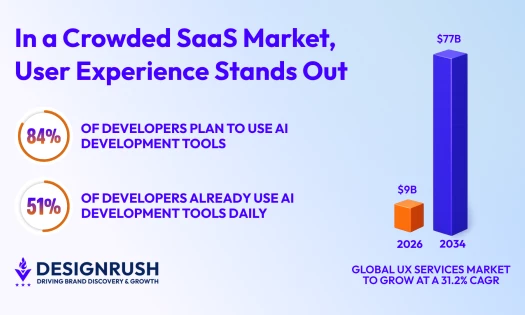
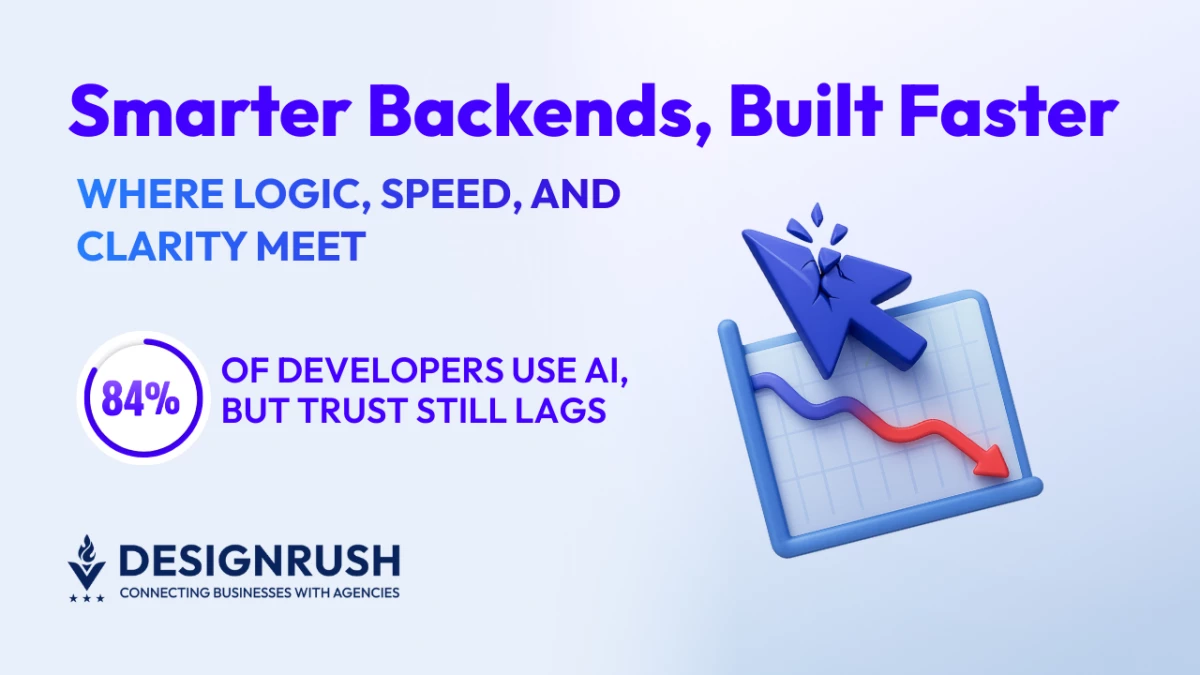
- 84% of developers are already using AI tools, so teams need guardrails that keep AI-assisted speed from turning into hidden technical debt
AI has undeniably made backend development faster and more efficient.
Xano, a leading no-code backend platform, is taking things to the next level with its recent launch of Xano 2.0.
It’s billed as the “first production-grade backend that moves at AI speed.”
But what does that actually look like in practice?
Xano 2.0 comes with a full suite of new core features, most notably:
- Logic Assistant: A conversational AI tool that helps generate, refine, and troubleshoot backend logic. It accelerates early drafts while giving developers clearer options for improvement.
- XanoScript: A new natural-language scripting format that translates plain English into functional backend instructions. It shortens the distance between an idea and a working logic block.
- Xano MCP & Metadata API: A system that exposes project structure, logic, and data models through a standard interface. It enables deeper customization, automated documentation, and more reliable AI-assisted development.
- Canvas View: A new visual, node-based workflow builder. It lets every AI-generated function be visualized, allowing for easier editing, sharing, and validation.
- Co-Creation in Preferred Modalities: A mode that ensures all changes remain unified and in sync on a single, compliant platform. This means experienced engineers can continue to build in code, while non-technical team members can use AI.
As impressive as the new features are, this bigger story here isn’t in the launch of Xano 2.0 itself. Rather, it’s the shift that these releases signal.
Backend development is moving from inefficient manual work into a hybrid workflow that combines the best of both worlds between AI efficiency and human experience.
The result?
A faster and more efficient path from idea to implementation. And in the development industry, such speed is a significant advantage.
But of course, this speed can be a double-edged sword. When AI produces functional logic in seconds, the architecture beneath it must be ready to absorb that acceleration.
This is a reality that is already familiar to Unico Connect, an Enterprise-Tier Xano Partner known for building custom large-scale systems on top of no-code and AI-assisted infrastructure.
“When AI starts doing the first 80%, developers need to get very intentional about the last 20%,” says Malay Parekh, CEO at Unico Connect.
So this begs the question.
If AI can now generate a working backend faster than it takes someone to brew a new batch of coffee in the pantry, what can teams do in order to ensure they move intelligently, and not just fast?
Build Faster Without Losing Control
Speed has value, but controlled acceleration is what actually wins projects.
As such, it’s important for teams to be able to see what AI is doing, shape it, and correct it before speed turns into tech debt.
The new Xano toolset helps developers maintain that visibility.
Logic Assistant and XanoScript make early drafts easier to audit because the logic reads more like a conversation than a riddle.
Meanwhile, Canvas View adds a layer of transparency that is often missing in AI-assisted development.
The use of such features leads to several advantages:
- Feature drafts arrive earlier. Teams spend less time on wireframes and more time on refinement.
- Third-party integrations become cleaner. AI can generate the early connectors while developers handle edge cases and data hygiene.
- Business rules translate more directly. Departments that used to wait for engineering cycles can draft first versions in natural language.
How Teams Should Adapt
Of course, adapting to the proper use of AI in backend development requires more than just tools. It also requires teams to adopt new processes and ways of thinking.
This is especially true after a Stack Overflow survey revealed that 84% of developers already use AI tools to assist them with their daily tasks.
This is why experts at Unico Connect say successful implementation often requires adopting a mindset that favors clarity, collaboration, and an understanding of where automation fits within human judgment:
1. Adopt a Human-First Logic Mindset
AI can draft, but humans must decide what the draft should actually accomplish. The cleanest systems begin with teams articulating business rules with precision.
That clarity helps AI generate logic that aligns with real-world expectations instead of interpretations that sound confident but behave unpredictably.
2. Build Structure Into the Workflow
Fast work needs structure. Teams are already introducing review cycles that mirror editorial processes.
A prompt produces the draft. A developer checks assumptions. Another developer validates naming conventions, versions, and test coverage.
This rhythm prevents the slow buildup of technical debt that often hides behind enthusiastic prompting.
3. Maintain Cross-Team Alignment Early and Often
The gap between technical and non-technical contributors shrinks once AI handles translation. That makes alignment even more important.
Teams work best when product managers, engineers, and business stakeholders are reviewing the same logic, in the same interface, at the same point in the process.
AI accelerates the drafts. Humans maintain the direction.
Prepare for an AI-Driven Development Future
AI will write a larger share of backend systems in the coming years. That is becoming less of a prediction and more of a timeline.
Clear logic, steady governance, and a culture that values thoughtful pacing over frantic output will matter more as AI-generated code becomes the default starting point.
This is why knowing how to manage these AI tools effectively is what separates high-performing development teams from the rest.
After all, allowing AI to take the wheel unsupervised is the fastest way to get to the wrong destination.