
Luxury marketers face customers who are harder to define and easier to misread.
Emotional connection outranks craftsmanship, heritage, and logo recognition as a desirability driver, according to a McKinsey report.
Discovery now runs through AI platforms, resale marketplaces, and peer networks alongside brand-owned channels.
This development makes it risky to assume that the customer in a planning deck matches the person who actually buys.
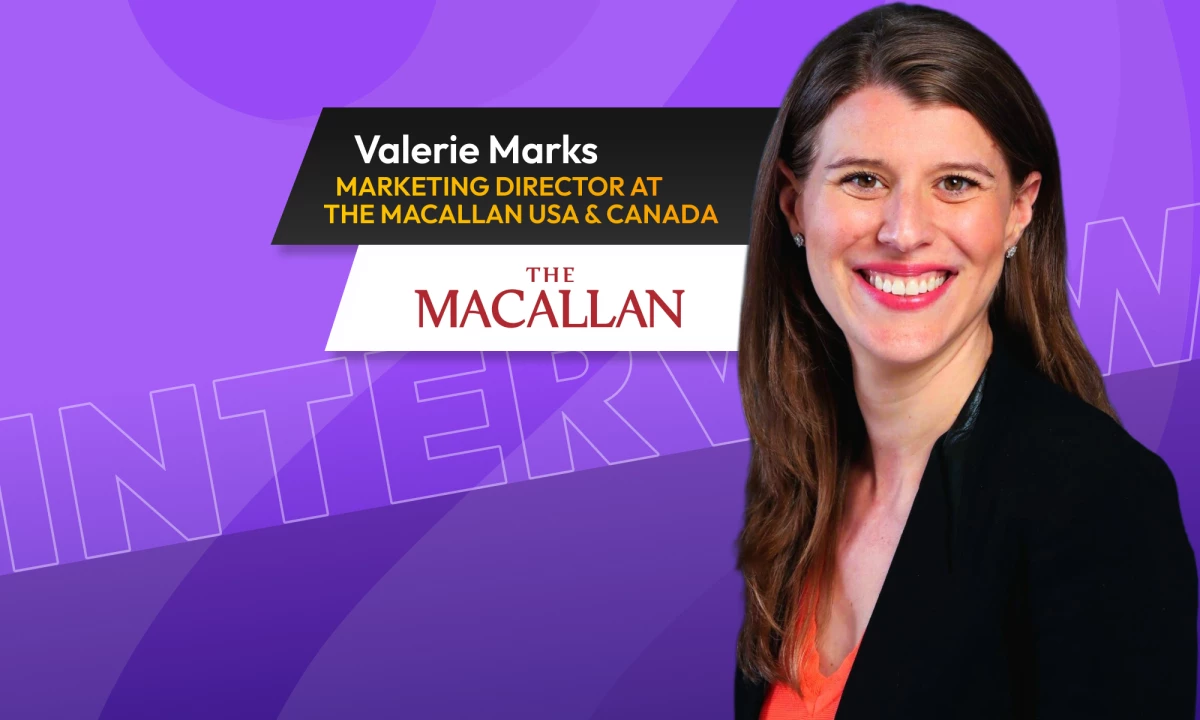
"As much as we want to believe our consumer is the same person that we have on paper for our consumer targets, I have never seen that to be true," Valerie Marks, marketing director at The Macallan USA and Canada, tells DesignRush.
Targeting still matters, Marks shares, but the profile has to stay open to what real sales and engagement reveal.
In this DesignRush interview, she explains further how to read the real customer, vet new ideas, back the risky ones, and build stronger agency partnerships.

Who Is Valerie Marks?
Valerie holds a bachelor’s degree in psychology, with a focus on entrepreneurship and management, from Johns Hopkins University.
Her career spans luxury goods, beauty, wine, spirits, product development, and long-term brand planning.
Before moving into her current role at The Macallan, she served as marketing director for emerging brands and senior brand manager for innovation at Edrington.
She also founded Valerie Marks Consulting and held senior marketing roles at Winebow, AERIN Beauty at The Estée Lauder Companies, and L’Oréal.
1. Let the Buyer Correct the Deck
Marks still treats the consumer profile as essential, since it gives teams one direction across product, pricing, platform, and messaging.
"It is absolutely critical to have a consumer profile so that you are focused and have a clear targeting strategy," she says.
The trouble starts when the profile outweighs the people actually buying.
A brand may expect one age group or occasion to lead demand, then watch a wider or entirely different audience show up.
The Macallan's "Distil Your World" series interprets each market and culture on its own terms.
Marks uses the original profile as a north star that keeps the strategy focused while real behavior refines it.
"We are fortunate to have access to real-time data and insights from our consumers from social listening tools.
When I started my career, we had to do focus groups in-person to hear from our customers. Now you can do it with the click of a button," she shares.
However, this speed makes it harder to tell a lasting change from the first burst of attention.
"As soon as a product is released, the chatter and reactions begin, which can create a lot of noise," Marks explains.
"But as you begin tracking carefully, different signals emerge offering valuable insights."
These signals show up as recurring language, unexpected uses, repeated complaints, or a change in who joins the conversation.
A spike in mentions fades fast, while repeated language and behavior reveal how people actually read the brand.
The Macallan built its "Drink of a Generation" campaign with James and Jack Marsden from recurring conversations about families sharing the whisky.
The edge comes from acting on a pattern before rivals see it as a wider move.
2. Give Every Shiny Idea a Job
Marks calls the proposals that reach her "bright and shiny things," a steady stream of new platforms, partnerships, formats, and cultural events.
But her first questions about them pull the discussion back to the business.
"What objective is this going to achieve for our brand, and is it on strategy?"
An idea without a clear objective gives the team no clear way to judge success.
"If we don't know why we want to do it, then how are we going to know how we can measure success?"
The Macallan Horizon collaboration with Bentley Motors, for instance, had an objective from the start.
The goal was to connect product design and shared expertise through a single brand story.
She also puts the decision on her team, then she weighs the investment against the expected return to see where the idea ranks against other priorities.
This return might be revenue, brand awareness, customer acquisition, or a new audience, but the team defines it before any money moves.
The discipline is crucial because social pressure can make fast participation feel more valuable than it is.
The 2025 Sprout Social Index shows that one-third of consumers said brands jumping on viral trends can be embarrassing, and the way past this is ensuring natural fit.
The Macallan's Met Gala partnership with The Mark Hotel is a cultural event that already suited the brand's luxury positioning, so the yes was easy to justify.
A clear objective does double duty, screening the idea on the way in and setting the yardstick you judge it by later.
The same question that green-lights an idea also becomes the metric the team measures it against.
3. Defend the Idea, Then Learn From It
Marks sees good marketing as a mix of data and instinct.
"What I love about marketing is that it is a combination of art and science," she shares.
"You need the data, but then you also need to use your gut or intuition."
The instinct still needs a reason behind it, especially when a platform or behavior is too new to offer years of evidence.
"If you don't take creative risks or try new things, you won't evolve with your consumer demands."
New ideas draw the most resistance inside global companies, where regional and central teams read the same opportunity differently.
Acting on one takes conviction, and Marks says it comes from knowing the brand better than anyone in the room.
"When working on a brand, you are the expert. You know your brand and consumer better than anyone else as you live and breathe it every day."
The Macallan's Harmony Collection with Cirque du Soleil pairs it with an unexpected creative partner while keeping its heritage central.
A partnership this bold only gets greenlit when someone backs it with conviction, and it only holds in a culture that lets a considered bet miss.
Companies that treat every disappointing result as a failure push teams toward the safest option in the room.
"Even when things may not go as you have planned, you still always learn from it to be better next time," Marks points out.
The goal is considered risk, with a defined upside and a plan for how the team grows either way.
4. Hire Agencies to Challenge You
Marks believes the best agency relationships start with a shared definition of success and enough trust for both sides to question how they get there.
"What I always tell my agencies is I want you to push us, challenge us, and make us feel uncomfortable," she reveals.
Clients hire agencies for outside expertise and judgment, and following every instruction leaves that expertise unused.
"If they are just executing what we are asking them to do, that is a service provider," she explains.
"If they are challenging us, bringing us different ways of approaching things to get to the shared goal, then that is partnership."
Note that this candor still carries risk, so Marks puts the responsibility on the client to make it safe.
"It can't just be the client telling the agency what is working or not working. The agency also needs to tell the client what is or isn't working," she says.
And this kind of openness is slowly becoming standard practice.
WFA and Decideware research found that 68% of agencies felt comfortable telling clients what needed to change, up from 45% two years earlier.
A strategic client-agency relationship sharpens the decision before the work reaches production.
This approach can mean questioning the brief, the measurement plan, or where the client's own behavior is weakening the partnership.
5. Earn Permission Through Consistency
Marks' advice for founders and CMOs starts with defining the brand clearly enough that future decisions have something stable to build from.
"Build trust with your customer by being consistent and authentic," she shares.
It means locking your point of difference, positioning, and creative identity, then holding them steady while everything else changes.
Consistency keeps a recognizable idea of the brand in place while products, platforms, and creative executions move on.
For example, The Macallan's 200 Years Young anniversary refreshes the brand's expression while keeping its heritage recognizable.
And trust carries real commercial weight.
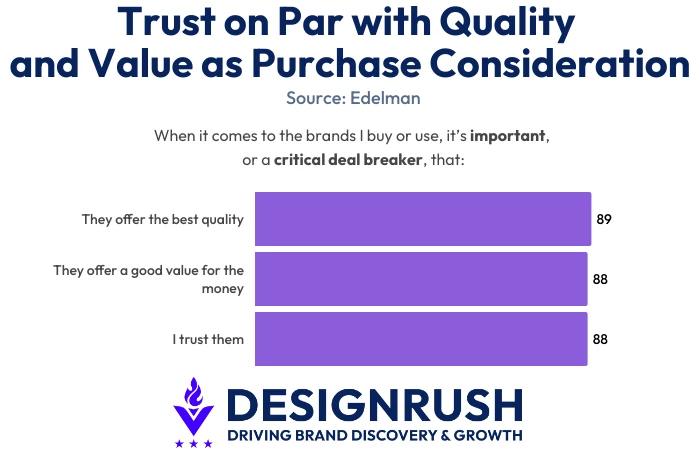
The 2026 Edelman Trust Barometer found 88% of consumers consider brand trust an important or critical purchase factor.
This figure puts it on the same level as value and one point behind quality.
Edelman advises brands to track how trust affects loyalty, adoption, advocacy, and permission to reach new audiences.
"Consumers are savvy in today's world," Marks points out.
They notice when a company adopts a new brand voice for every trend or makes claims that its behavior can't support.
Marks’ approach leaves marketers with five practical moves to make:
- Test the profile against who actually buys. The deck sets the target, and recurring language and behavior reveal the real audience.
- Make each idea earn a business objective. Define the goal, measurement, and expected return before any budget moves.
- Back your read, then bank the lesson. Conviction carries a considered bet, and a miss becomes information for next time.
- Invite the pushback you paid for. Two-way candor with an agency always beats comfortable execution.
- Stay consistent to keep permission. A steady identity earns the room to reach new audiences and take creative risks.
Marketing luxury now means selling to a buyer you can't fully predict.
The Macallan handles it by holding its identity steady while letting the market reveal who actually shows up.