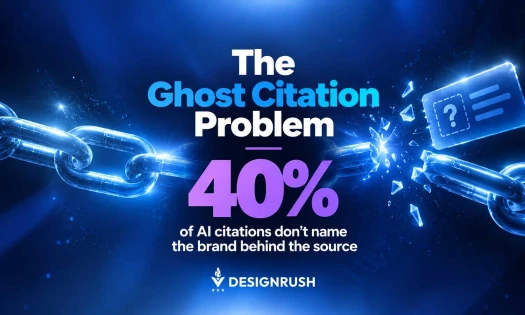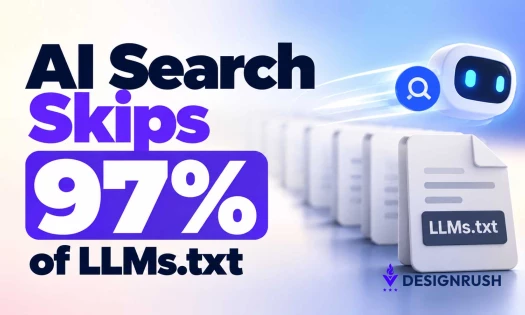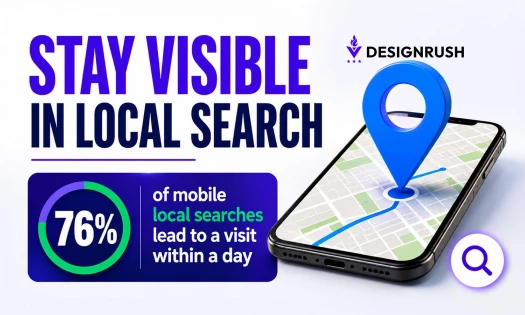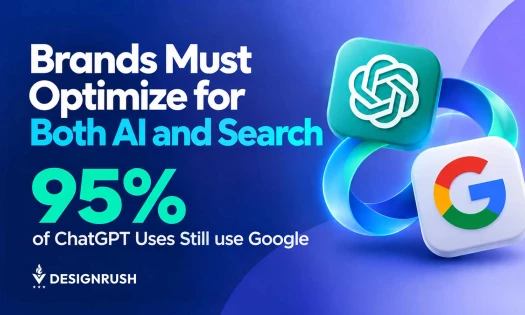

Fifty-seven percent of consumers still reach for traditional search over AI when the topic touches their health, finances, or well-being, according to Yext's Search Archetypes Survey.
A brand that puts its whole GEO budget behind AI visibility skips past most of those high-stakes searches, the ones still happening the old way.
DuckDuckGo has felt that resistance directly. Since Google announced its AI search expansion, visits to its "No AI" search page have tripled, and the company says the number keeps climbing.
People aren't just avoiding AI search. They're installing extensions to remove it entirely, which means brands relying on AI citations to reach these users are invisible to them by design.
Why Users Are Pulling Back
When a search engine hides its sources, users can't check the answer against anything else. So they assume the worst and go looking for one that shows its work.
Control plays a role too. Forcing an AI experience onto users without an off switch feels like losing a choice they never agreed to give up.
Those who sense that look for it somewhere else, which is exactly what DuckDuckGo reported in the numbers behind its "No AI" search page.
"No one has to understand how an AI search engine reaches an answer," says Yagmur Ilgen, Creative Director at award-winning digital agency Baunfire.
"What matters is being able to check it and leave if it doesn't hold up. Take both away, and trust erodes fast."
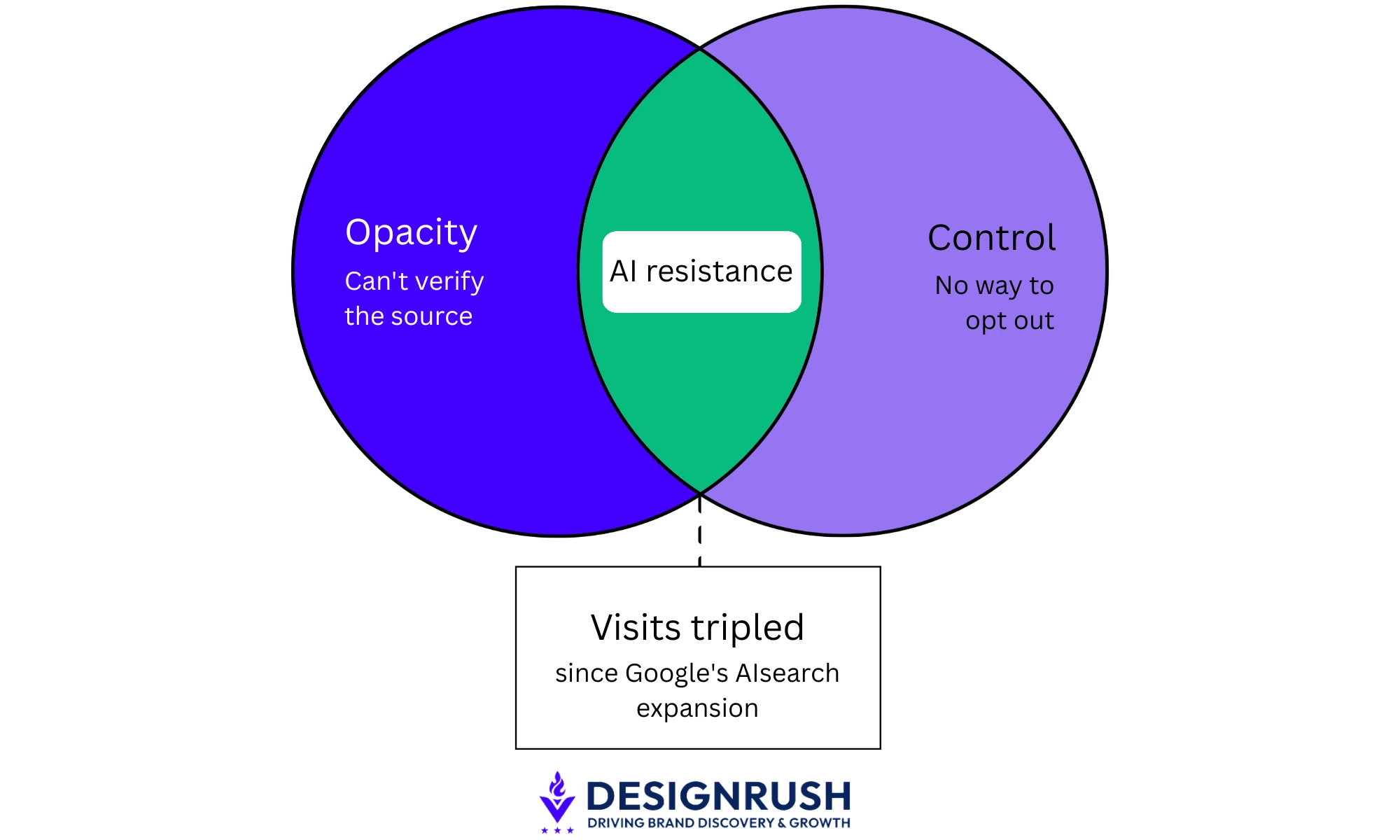
Both patterns line up with a study in Nature Human Behaviour, which found that opacity and loss of control are two of the strongest predictors of AI resistance across contexts.
Threat-based messaging backfires because of this. Language that leans on fear, urgency, or "AI will replace X" activates the exact anxiety that pushes cautious users away.
Safety and control framing work better because they address the actual barrier instead of amplifying it.
Not Every Customer Searches the Same Way
Low-stakes decisions, like finding a plumber or picking a restaurant, have already normalized AI search. High-value decisions tell a different story.
Among households earning $150,000 or more, AI has already overtaken Google as the starting point for local search, according to Yext's Consumer Search Behaviors Report 2026.
Brands targeting that income bracket aren't planning for an AI-first future. They're already living in one.
Baunfire recommends starting with a brand's own analytics to see which bucket it falls into.
"If AI referral traffic already outpaces organic search referral for a segment, that segment has already moved. The GEO plan should follow where those customers are right now," Ilgen says.
That split means brands can't pick one search world over the other.
A plumbing service and a luxury advisory firm need entirely different search strategies, even if both technically compete for local search visibility.
The Citation Is Just the Opening Move
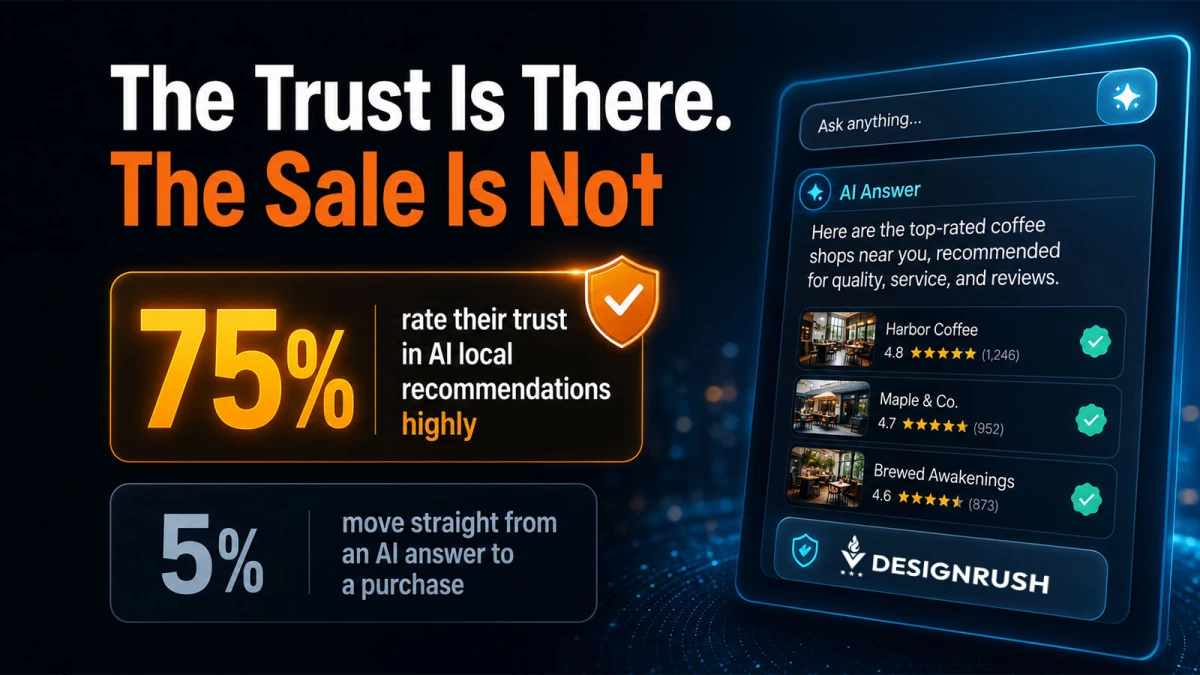
Seventy-five percent of AI users rate their trust in AI local business recommendations highly, and yet only 5% move directly from an AI answer to a purchase, according to Yext.
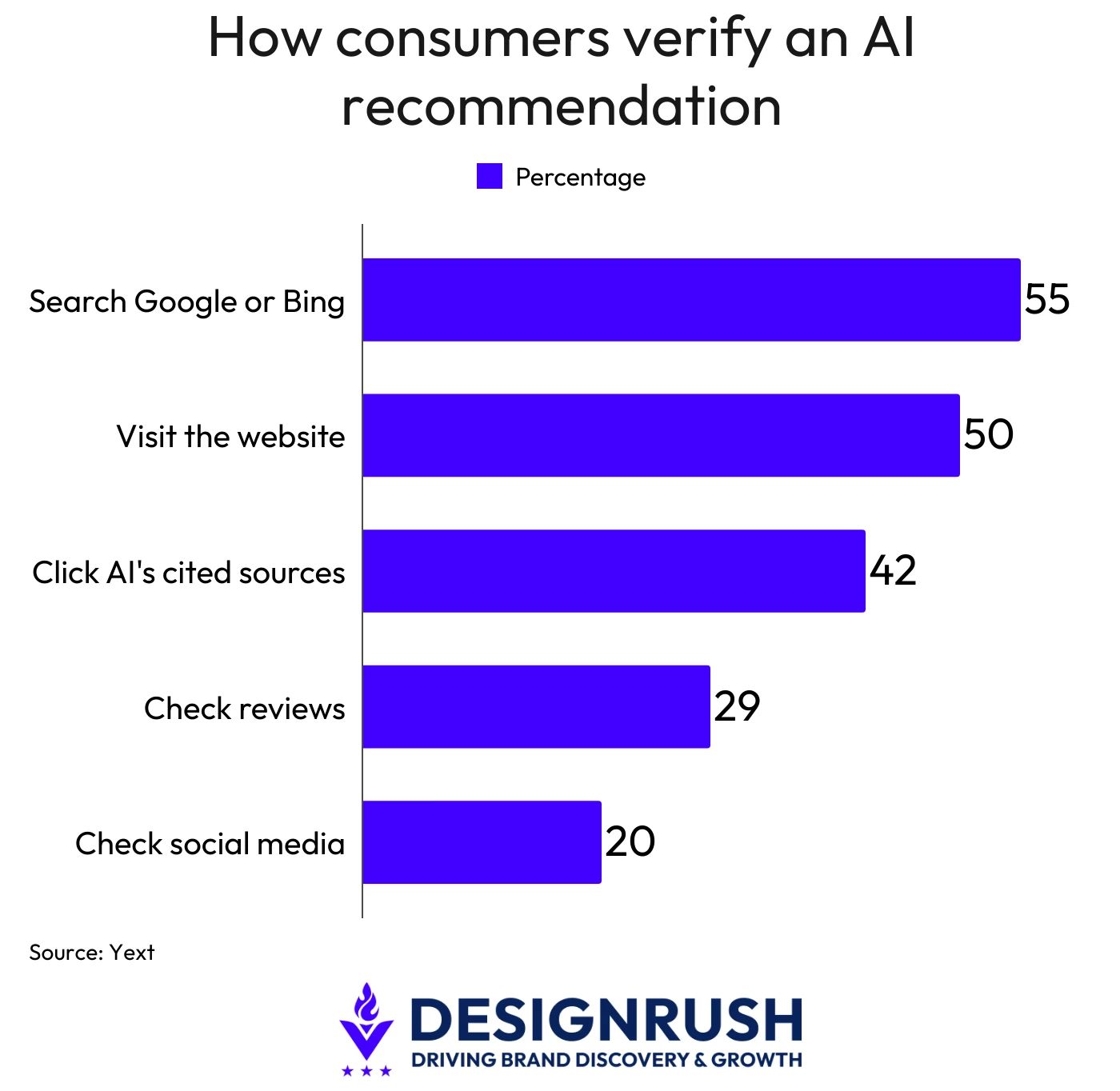 Most people immediately search Google, visit the business's website directly, or click through to a cited source. A citation gets a brand into the conversation. It doesn't win the sale.
"Someone verifies in under ten seconds by skimming the top review and glancing at the hours or address. If either one is off, the click never turns into a customer," Ilgen says.
That double-check is where most GEO strategies stop paying attention. A few adjustments close the gap:
- Treat reviews as a ranking signal. Rating, recency, sentiment, and count make up four of the top six factors people weigh after an AI recommendation.
- Keep business listings identical everywhere. Mismatches erode trust fast, and 48% of consumers cross-check to catch them.
- Show up on social media. Forty percent of consumers now start local searches on social media, making it the second-largest discovery channel behind Google.
- Make sourcing visible. Since opacity drives distrust, showing users where information comes from converts that trust into action instead of losing it at the double-check.
Measuring What Citations Buy You
Most GEO dashboards stop at citation count. None of them track what happens in the ten seconds after.
Pairing citation count with a survival rate closes that gap, the share of citations that hold up once someone checks the website, reads a review, or compares hours against what the AI said.
Pulling that number means matching AI referral traffic against bounce rate and conversion by landing page, data most AI SEO tools already capture but nobody segments this way.
Brands that report both numbers side by side catch a failing citation months before the sales team notices a shortfall.