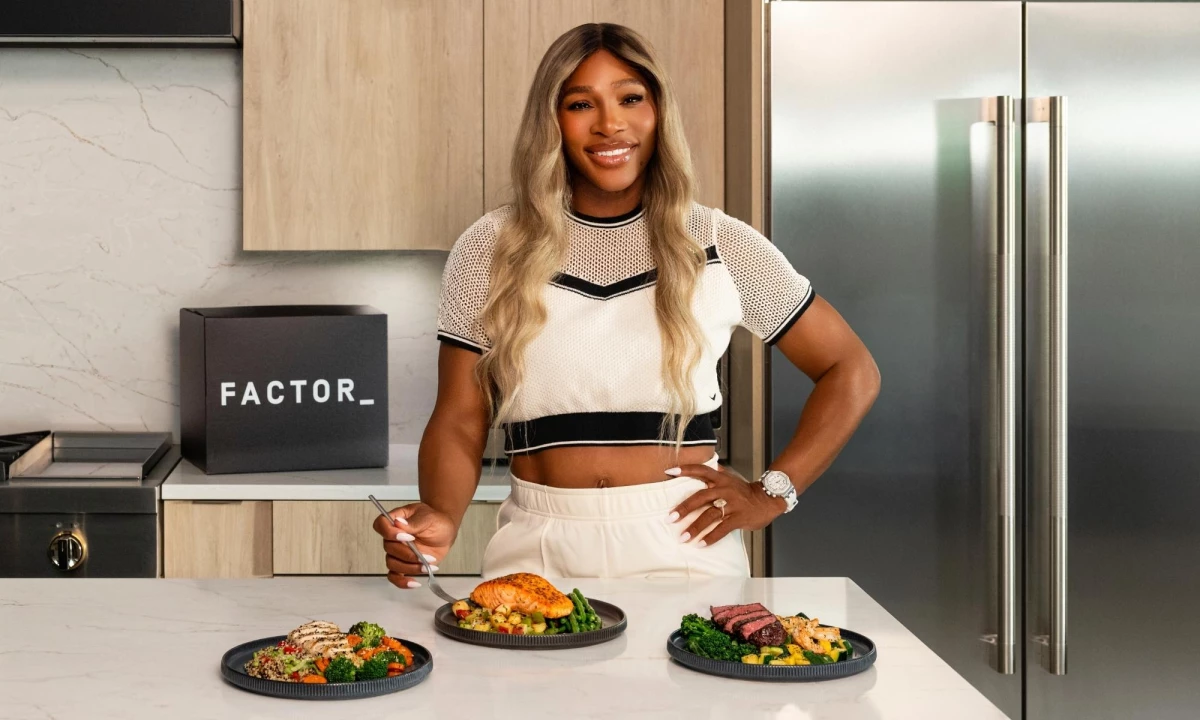

Serena Williams announced her return to competitive tennis, with ready-made meal delivery brand Factor by her side.
Factor announced a global partnership with the tennis icon and a new social campaign from Maximum Effort, the creative agency co-founded by Ryan Reynolds.
The "Serena Eats Real" Factor campaign uses humor and Williams' tennis comeback to drive the narrative. It opens with a high-pressure strategy meeting, as Williams tells her team she has changed her mind.
Seconds later, the audience learns the meeting is not about tennis, but about how the athlete eats.
The partnership also includes the Serena Williams x Factor Collection, a rotating menu personally selected by Williams.
"Taking care of myself isn't about following a perfect routine. It's about making choices that help me feel my best. Eating well is a big part of that," Williams said.
"Factor fits naturally into my life because the meals are made with ingredients I feel good about."
The brand partnership arrives as nutrition brands compete on trust, convenience, and ingredient quality.
'Serena Eats Real' Puts Nutrition Front and Center
Directed by Oren Brimer, the spot plays on audience expectations surrounding Williams' return to tennis before shifting attention to her nutrition.
It focuses on food's role in performance, whether competing at the highest level or managing a busy schedule.
Williams' monthly meal curations feature high-protein, nutrient-dense options, including GLP-1-friendly meals.
"For Serena, compromising on quality has never been an option. She brings a relentless commitment to the highest possible standards in everything she does," said Christopher Stadler, CMO at Factor.
Factor was built on that same belief, and our new campaign is challenging people to expect more from their plate."
Celebrity partnerships carry more weight when the product naturally fits the spokesperson's lifestyle and established reputation.
Nutrition Brands Want Athlete Credibility
Factor's partnership strategy follows a broader industry effort to connect nutrition products with real routines and performance outcomes.
Consumer demand supports this approach.
A 2025 Pew Research Center survey found that 52% of Americans consider food healthiness highly important when deciding what to eat.
A further 47% place the same importance on convenience, while 83% say taste is highly important.
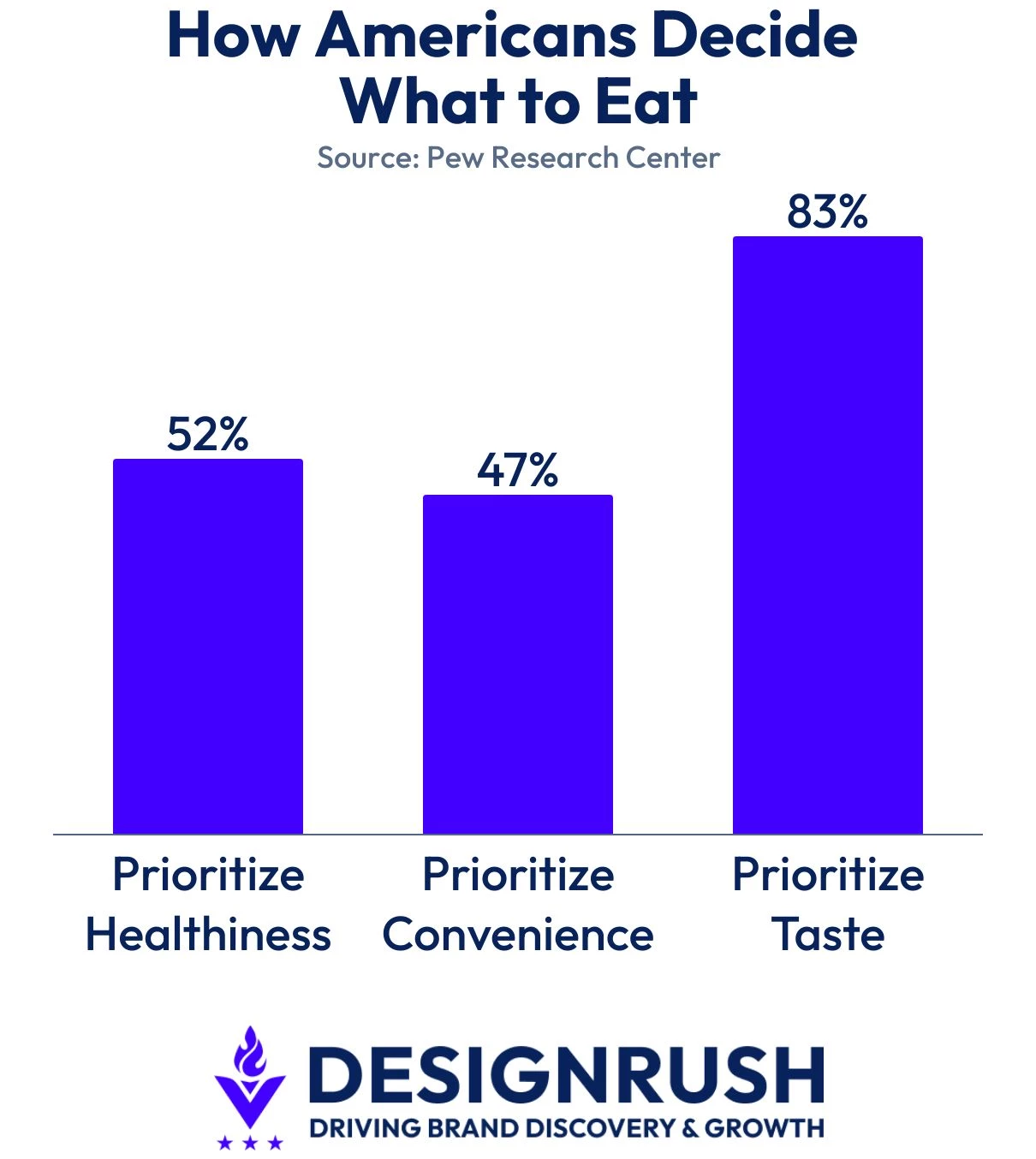
These figures help explain why nutrition brands continue to invest in athletes. It's because their reputations help reinforce product trust in three key ways:
- Trust accelerates adoption. Brands should align with credible experts and public figures to reduce uncertainty around health-focused products.
This holds true for the Factor spot, where Williams' existing reputation for discipline and performance does the credibility work before the brand says a word.
- Convenience drives repeat behavior. Companies should remove barriers to make healthy choices easier to maintain.
Factor builds this into the partnership itself, with Williams citing the brand's ready-in-minutes meals as something that fits naturally into her life as a busy mom and athlete. - Personalization increases engagement. Marketers should create curated experiences to strengthen consumer connection and encourage loyalty.
The Serena Williams x Factor Collection does exactly that, giving subscribers a fresh selection of her top meal picks every month.
When health benefits and convenience work together, brands gain stronger retention than those competing on taste or price alone.
Our Take: Can Misdirection Make Product Messages More Memorable?
The tennis misdirect only works because nutrition was already part of her story.
Most athlete endorsements rely on achievement, competition, or training footage.
Factor builds anticipation around Williams' return to tennis before revealing that the announcement is really about nutrition.
It creates curiosity first, giving audiences a reason to stay engaged long enough to hear the product message.
The risk is that audiences may remember the fake-out more than the brand if the reveal feels disconnected from the story.
The transition works here because nutrition is already a part of Williams' public identity as an elite athlete.
We could see more brands borrow entertainment techniques from film trailers to hold audience attention longer.
Other recent campaigns have tied products to recognizable routines and athlete credibility.
For example, Pure Leaf partnered with gymnast Jordan Chiles, connecting the brand's benefits directly to her reputation for focus and performance under pressure.
What makes an athlete partnership stick? The story has to be as memorable as the spokesperson.
Explore top brand strategy agencies helping companies connect credibility, creativity, and consumer trust.