

Spatial Web Design: Key Findings
- Spatial web design replaces static pages with 3D, AR, and VR experiences that deepen attention, recall, and emotional connection.
- Starting small with micro-experiences helps brands scale immersive design strategically while measuring true engagement.
- Choosing the right partner is critical. Creativity must be matched with technical execution, accessibility, and performance.
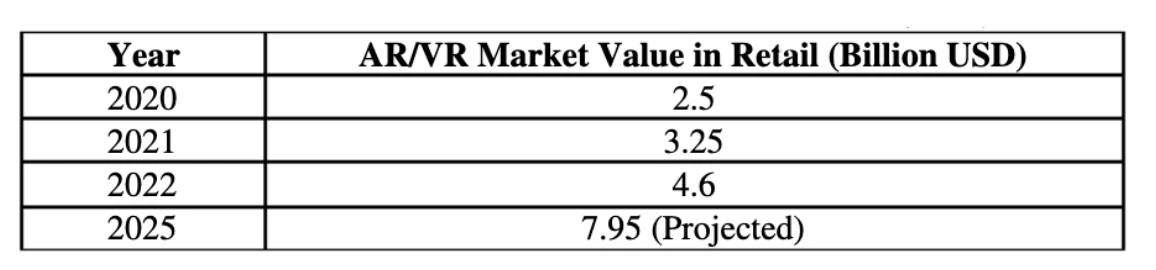
40% of consumers are willing to pay more for products when they can experience them through AR, according to a 2024 study published on Researchgate.
Meanwhile, the same study shows retailers using AR/VR have seen a 25% drop in product returns and a 20% boost in conversion rates.
Still, most websites are stuck in what Vincent Mazza, managing partner at eDesign Interactive, calls “billboard mode” — flat, transactional, and forgettable.
Spatial web design flips that model, using 3D environments, AR/VR layers, and interactive layouts to create experiences that actually stick.
Editor's Note: This is a sponsored article created in partnership with eDesign Interactive.
In a recent DesignRush interview, Mazza shares why immersive design is the next big leap for digital engagement.

Who is Vincent Mazza?
Vincent Mazza is managing partner at eDesign Interactive, where he oversees U.S. operations and leads UX, accounts, and marketing. With nearly two decades in digital marketing, he’s passionate about helping people succeed and bringing bold, interactive ideas to life with his 50+ person team in Morristown, NJ.
1. Shift From Clicks to Lasting Connections
Most websites are still built around chasing quick clicks. But as Mazza points out, that approach misses the bigger picture.
“Most sites still act like digital billboards: static, transactional, one-and-done. That mindset limits growth because it doesn’t give brands room to tell stories or build ongoing relationships,” he says.
Spatial web design flips that script, shifting the focus to time spent, depth of interaction, and repeat visits: signs of real engagement instead of passive scrolling.
2. Create Immersive Environments That Boost Recall
When people explore digital spaces rather than scroll past content, the experience becomes sticky.
“It feels more like walking through a showroom than scanning a flyer,” Mazza says.
This exploration-driven approach gives brands the chance to surprise users, create emotional hooks, and drive stronger recall.
Case in point:eDesign’s project for Frost King turned simple “how-to” guides into a virtual home visitors could walk through.
This resulted in longer sessions, more interactions, and better-quality leads.
3. Adopt Emerging Tech with Purpose
AR, VR, and 3D are at the heart of immersive design, but Mazza is quick to stress that they should support a strategy, not lead it.
“They’re not ends in themselves; they’re tools,” he explains.
Augmented reality is already powering try-before-you-buy shopping, 3D works smoothly inside the browser, and virtual reality shines in more niche, fully immersive experiences.
For brands, the real challenge is knowing when these technologies actually add value and when they risk becoming more of a distraction than a benefit.
4. Start Small and Scale Immersive Design Smartly
Experimenting with immersive design doesn’t have to break the bank.
Mazza recommends treating it like a prototype-first approach.
“Start small. Build a single room or micro-experience within an existing site. Test how people engage,” he says.
With progressive design, there’s always a simple fallback in place, and reusing assets helps you stretch the project budget.
By starting small and iterating, brands can learn what works without overcommitting resources.
5. Track Engagement Metrics That Actually Matter
Pageviews and bounce rates don’t tell you much about how people actually experience a site.
Instead, Mazza suggests looking at richer signals like depth of exploration, time spent, repeat visits, and micro-conversions tied to interaction.
“Did someone explore the full experience? Did they come back? Did it change how they feel about the brand?” he asks.
These are the kinds of metrics that show real engagement and give brands clearer insights to shape their strategy.
6. Choose the Right Partner and Watch for Red Flags
Not every agency is ready to deliver true immersive experiences.
The best partners combine creativity with technical know-how while making performance, accessibility, and measurement a priority.
Mazza warns brands to be cautious.
“If it’s all flash and no strategy, run. If mobile users are an afterthought, that’s a dealbreaker,” he says.
Focusing on deeper engagement metrics gives brands a clearer view of how immersive design truly impacts user behavior and connection.
7. Design Experiences That Delight and Build Trust
As spatial web design evolves, its pull on user attention will only get stronger, and with that comes responsibility.
“We should design for delight and discovery, not manipulation,” Mazza says.
Handled ethically, immersive design can build trust and goodwill.
If misused, it risks turning into just another attention trap.
The Future of Spatial Web Design and Engagement
Spatial web design isn’t a gimmick. It’s a way for brands to meet audiences at the intersection of attention, memory, and emotion.
Those who move beyond flat pages and lean into immersive storytelling won’t just win clicks.
They’ll build lasting connections.
Spatial Web Design FAQs
Want to know more about spatial web design? These quick FAQs explain the basics and how brands can begin experimenting effectively.
What is spatial web design?
Spatial web design goes beyond flat, static pages by using 3D environments, AR and VR layers, and interactive layouts. Instead of passively scrolling, visitors can explore, discover, and interact with content.
How can brands start experimenting without overspending?
Mazza recommends beginning small: build a single interactive room or micro-experience, then test how users engage.
This approach keeps costs low and provides valuable insights before scaling.
What metrics matter most for spatial web experiences?
Traditional metrics and KPIs like pageviews don’t tell the full story. Instead, focus on engagement metrics such as time spent, depth of exploration, repeat visits, and interaction-based micro-conversions.