-author-avatar_mobile-webp.webp)
Key Takeaways
- Practice management tools that reduce admin work help prevent clinician burnout and free up time for real care.
- AI-powered features like automated note-taking and conversational intake are reshaping how independent practitioners grow sustainably.
- Small practices don’t need to scale size to grow, but they can scale trust, intimacy, and efficiency with the right tools.
Independent mental health providers are doing some of the most emotionally intense work out there, but many are drowning in paperwork before they even get to their clients.
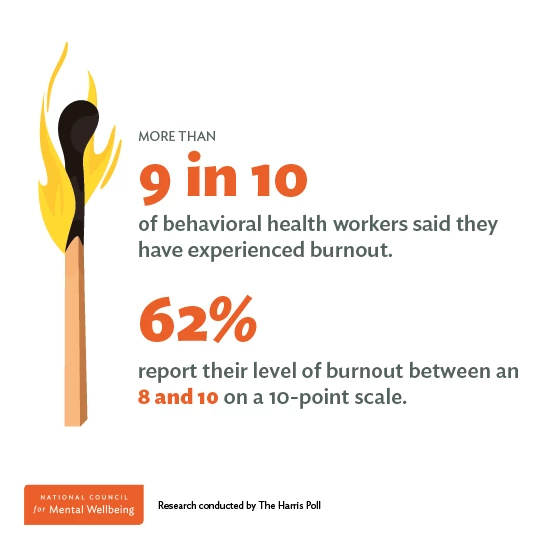
In fact, 93% of behavioral health workers have reported experiencing burnout, according to a 2023 study from The National Council for Well Being.
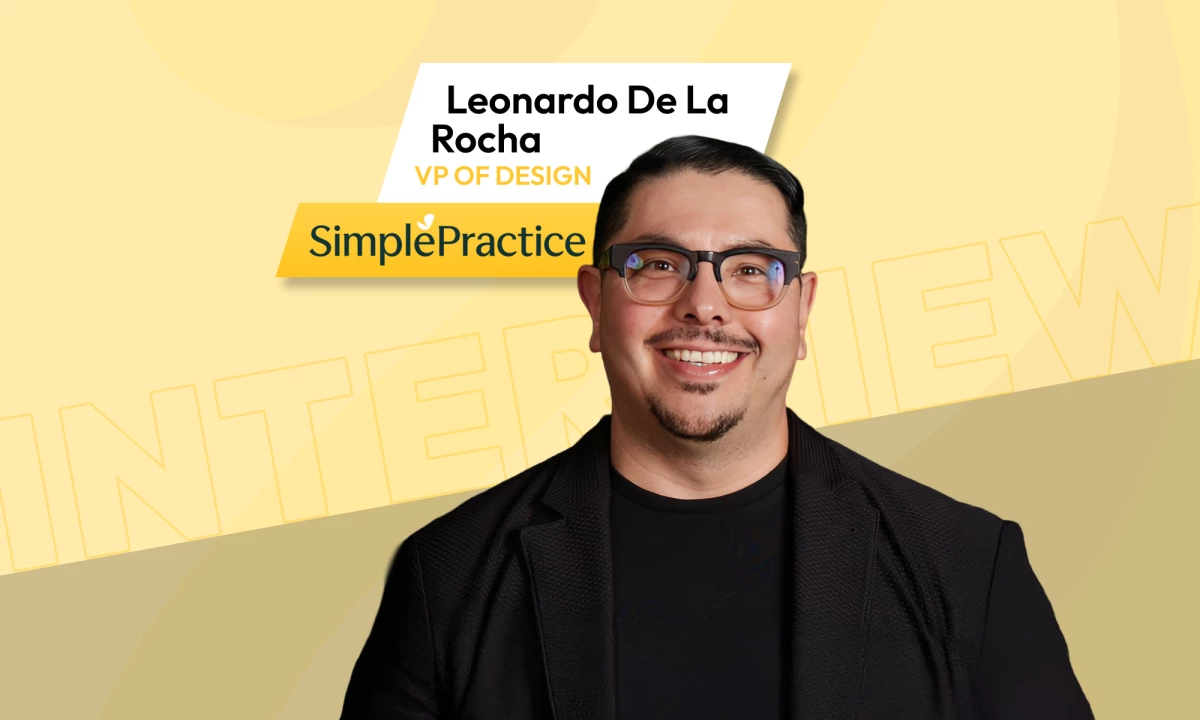
Leonardo De La Rocha understands the pressures that come with this challenge.
As VP of Design at SimplePractice, he draws on his experience from Facebook, Spotify, and Intuit to lead UX and research for a platform that helps behavioral health professionals across the U.S. run their businesses and serve clients — often at the same time.
In our conversation, Leonardo opens up about why the design choices behind practice management tools matter more than ever, how AI is transforming clinician workflows, and what smaller practices can do to compete against larger healthcare organizations

Who Is Leonardo De La Rocha?
Leonardo De La Rocha is the VP of Design at SimplePractice, the leading practice management platform for private practitioners. His background spans senior design leadership roles at Intuit, Facebook, Spotify, and Yahoo!, where he led UX and research teams across B2B and complex B2C product ecosystems.
Burnout Is a Business Risk
Leonardo doesn’t mince words when talking about the realities of mental health work.
“I don’t think most people understand how truly difficult it is to thrive as an independent practitioner in mental healthcare,” he says.
And the problem isn’t just emotional; it’s structural.
Providers often navigate a maze of state licensing rules, insurance credentialing, scheduling logistics, and documentation requirements while helping people through trauma.
The burnout is real, and for many, it becomes a reason to leave the field altogether.
This is where Leonardo sees the real value of platforms like SimplePractice: not in flashy features, but in easing the operational burden that wears providers down mentally and physically.
After all, 68% of practitioners surveyed by The National Council for Well Being say that the amount of time spent on administrative tasks takes away from time they could be directly supporting clients.
“The smarter and simpler you can make it to run your practice, the more time and energy to give care is unlocked for clinicians,” Leonardo says.
Reduce Admin Work, Focus More on Care
AI is starting to pull more weight behind the scenes in healthcare in ways that are already making a difference.
Leonardo highlights one major breakthrough SimplePractice has recently made: home-grown, HIPAA-compliant AI that helps with clinical note-taking.
“Ultimately, this will improve the focus and energy that a clinician can give to their clients during a session.
That improves the quality of care they give. In turn, that improves their client outcomes and feeds back into better clinician pay and overall health of their business,” he explains.
There’s also work being done to fix the often dreaded insurance workflow.
Leonardo says their goal is to make it “as easy as taking a credit card.”
If that happens, clinicians can stop losing time and revenue to payment complexity, refocusing on their clients.
Grow Your Practice on Your Own Terms
Not every clinic wants to scale headcount or open multiple locations.
Many solo and small-group practices want to stay small, yet still grow stronger, more sustainable, and more impactful.
According to Leonardo, that’s where smart management tools can be used differently.
“Small practices can focus on speed, intimacy, and personalization.
So, solo or small practices should think of smart tools as virtual staff, or an extension of their capacity and care philosophy,” he says.
-content-large-webp.webp "Graph")
This mindset opens up a different kind of growth.
It’s not about getting more appointments or patients, but developing deeper relationships and better outcomes.
“Instead of scaling volume, they can scale intimacy, efficiency, and trust.”
Rethink the First Step: Intake and Pre-Care
For many people, starting therapy is already hard, and if intake forms or friction at signup add pressure, they drop off before they even show up.
Leonardo sees this moment as a major opportunity for change.
“We’re shifting toward more conversational intake flows (vs. forms), and thinking deeply about how mobile-native and HIPAA-compliant chatbots can collect clinician information with empathy and minimal friction at its core.”
He’s also excited about innovations that help clients feel more prepared and comfortable before that first session:
“Check-ins, multimedia introductions from therapists, or even AI-generated ‘what to expect’ videos to reduce no-shows.”
It’s a design decision, but one with real business impact: fewer drop-offs, higher engagement, more consistent care.
AI Isn’t Optional; It’s Urgent
When asked what practice leaders should do now, Leonardo’s advice is clear: don’t wait on AI.
Get your leadership aligned and start experimenting.
But do so thoughtfully.
“Create an executive leadership-sponsored group that can understand and shape internal AI use-cases.
And work with your finance team to thoughtfully but quickly unlock budget for experimentation and testing,” he says.
He also stresses that it’s not just a technical shift, it’s a cultural one.
“Craft and use your technical AI blueprint and AI product vision to create a clear understanding of how your company is shifting toward becoming AI-first with a balance of feasibility and ambition.”
Involve the UX team early. Make sure your most passionate builders feel heard.
And then let those insights shape how your AI future takes form.
-author-avatar-webp.webp)