-details-webp.webp)

About 70% of consumers say that page speed influences their purchasing decisions — so much so that retail companies lose $2.6 billion every year due to slow loading speeds.
This underscores the importance of increasing page speed to boost conversions, the holy grail of digital marketing success.
Matt Loy, head of development at full-service agency Digital Silk, explained that faster websites offer a better user experience and contribute to Google search rankings.
“Whether in eCommerce sales or lead generation — these factors play a major role in increasing revenue.”
Many businesses struggle with performance bottlenecks, but prioritizing design, animations, and user experience (UX) from the start can help avoid these issues.
Common Website Speed Pitfalls to Avoid
According to Loy, the most common causes of slow website speed include:
- Unoptimized images and media files: Large file sizes slow down page loads.
- Poor hosting and inefficient code: Shared hosting and bloated codebases can lead to sluggish performance.
- Too many third-party integrations: Excessive plugins, tracking scripts, and external services can cause delays.
These can be mitigated and/or fixed with the right development best practices, which Digital Silk prioritizes.
“Using next-gen formats like WebP and lazy loading helps, investing in better hosting and following coding best practices ensures smoother performance, and only essential tools should be used,” Loy recommends.
Poor website performance can result in devastating effects, directly impacting search rankings.
This means your brand won’t appear as high in Google results, reducing visibility and credibility.
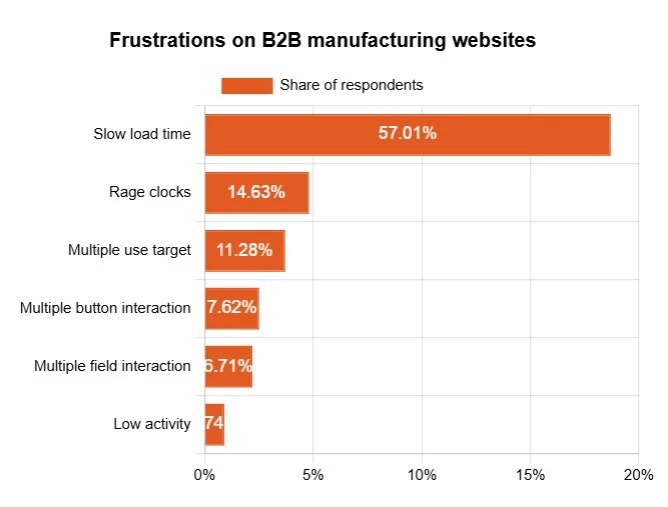
It takes about 1.3 seconds on average for the typical website to load. Just a one-second delay is enough to reduce page views by 11%.
“Slow-loading pages frustrate users, often causing them to exit the site within seconds. To recover from this, an audit is necessary.”
To help identify your challenges, Loy recommends free tools like Google PageSpeed Insights, which also provides actionable recommendations to improve site speed.
“Regular monitoring and optimizations are key to maintaining a high-performance website.”
To keep up with increasing demands for faster websites, businesses are turning to new technologies to stay ahead.
Leveraging AI and Modern Tech for Faster Websites
Among other options, this means leveraging AI-powered performance optimization tools like NitroPack and Cloudflare’s AI-driven edge optimization to dynamically adjust caching and content delivery based on real-time traffic patterns.
Loy also notes other emerging technologies that help optimize website performance:
- Headless CMS & Modern Frameworks: Technologies like Node.js and Next.js allow for lightweight, high-performance frontends, improving speed and scalability.
- Edge Computing & Next-Gen CDNs: Faster content delivery through edge networks ensures a seamless experience for users, regardless of location.
Businesses that don’t keep up risk losing customers and sales to faster, smoother websites.
With website speed playing a crucial role in conversions, ensuring seamless performance isn’t just a competitive advantage — it’s essential for brands looking to maximize sales.