
Brand and Website Alignment: Key Findings
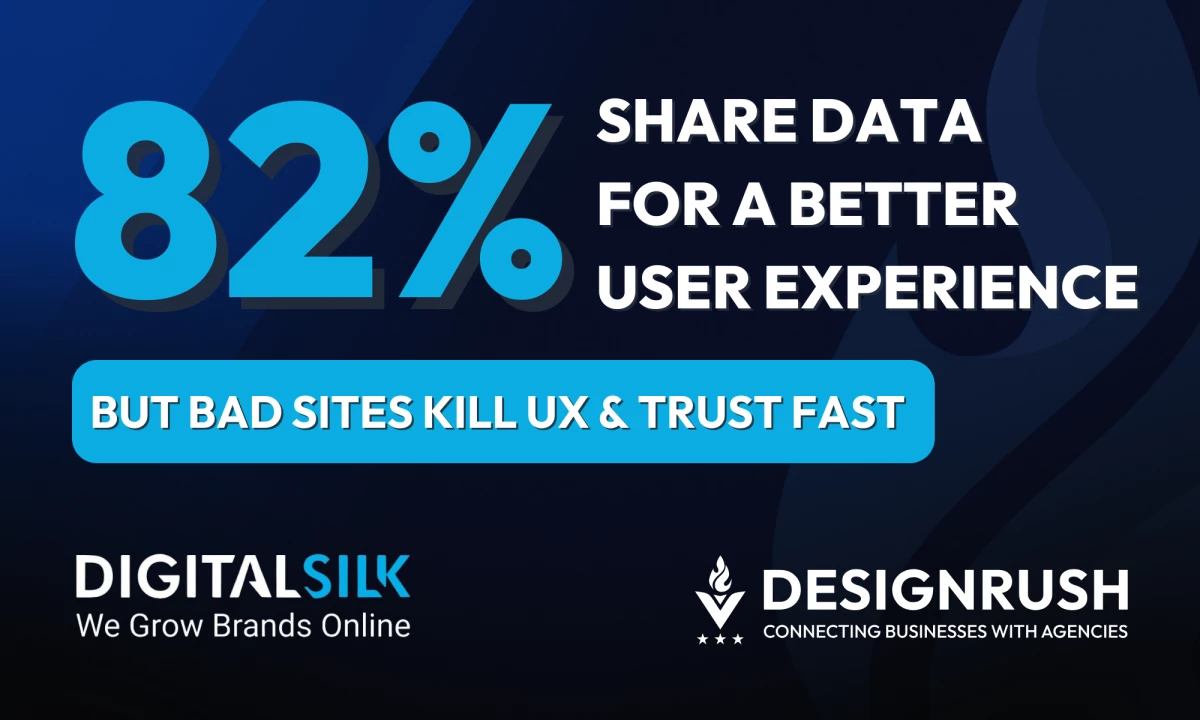
- 82% of consumers are willing to share personal data for a better experience, highlighting how digital interactions shape trust and buying decisions.
- A mismatch between product and site immediately undermines credibility; even high-quality products can be questioned if the website feels slow, cluttered, or outdated.
- Clear layout, fast navigation, and prioritized information reinforce brand reliability, help users make confident decisions, and protect revenue.
About 82% of consumers are willing to share personal data for a better customer experience, according to PwC and Adobe Alliance’s “Putting the personal back in personalization” report.
In this context, a website that fails to reflect a brand's quality can be the tipping point between a sale and a lost opportunity.
If your online presence falls short, even the highest-quality products or services can be overshadowed by user skepticism.
How a Website Can Reflect Product Quality
Even the most precise, high-quality products can lose credibility if the website doesn’t match.
Even with top-tier products that have market viability can be dragged down by:
- Slow load times
- Outdated visuals
- Confusing navigation
Users quickly conclude reliability and expertise based on how a site looks and functions.
“A website is often the first proof of a brand’s quality. Even the most precise products can lose credibility if the digital experience doesn’t reflect that precision,” said Gabriel Shaoolian, founder and CEO of Digital Silk.
“Clean design, fast performance, and intuitive navigation shape how users perceive reliability and expertise.”
In high-ticket industries, that perception can determine whether a lead converts or bounces.
Aligning digital experience with product quality is no longer optional; it’s part of the buying decision.
Editor's Note: This is a sponsored article created in partnership with Digital Silk.
View this post on Instagram
A clear example comes from precast concrete products specialist, INW Precast.
Its original website struggled to communicate the precision and range of its precast products.
Award-winning full-service web design agency Digital Silk redesigned the platform, prioritizing:
- Fast access to specs
- Intuitive navigation
- Focused visuals
As a result, users could find details without friction, which helped reinforce confidence in the brand.
The update shows how a website can mirror product quality and support buying decisions.
Bridging the Gap Between Product and Perception
The way information is organized on a site directly affects decision-making.
On INW Precast’s redesigned platform, key product specifications and options were highlighted upfront, guiding users to what mattered most.
Clear visuals and intuitive navigation reduced friction and shortened the decision cycle.
When users could quickly compare features and access proof points, their confidence in the brand grew.
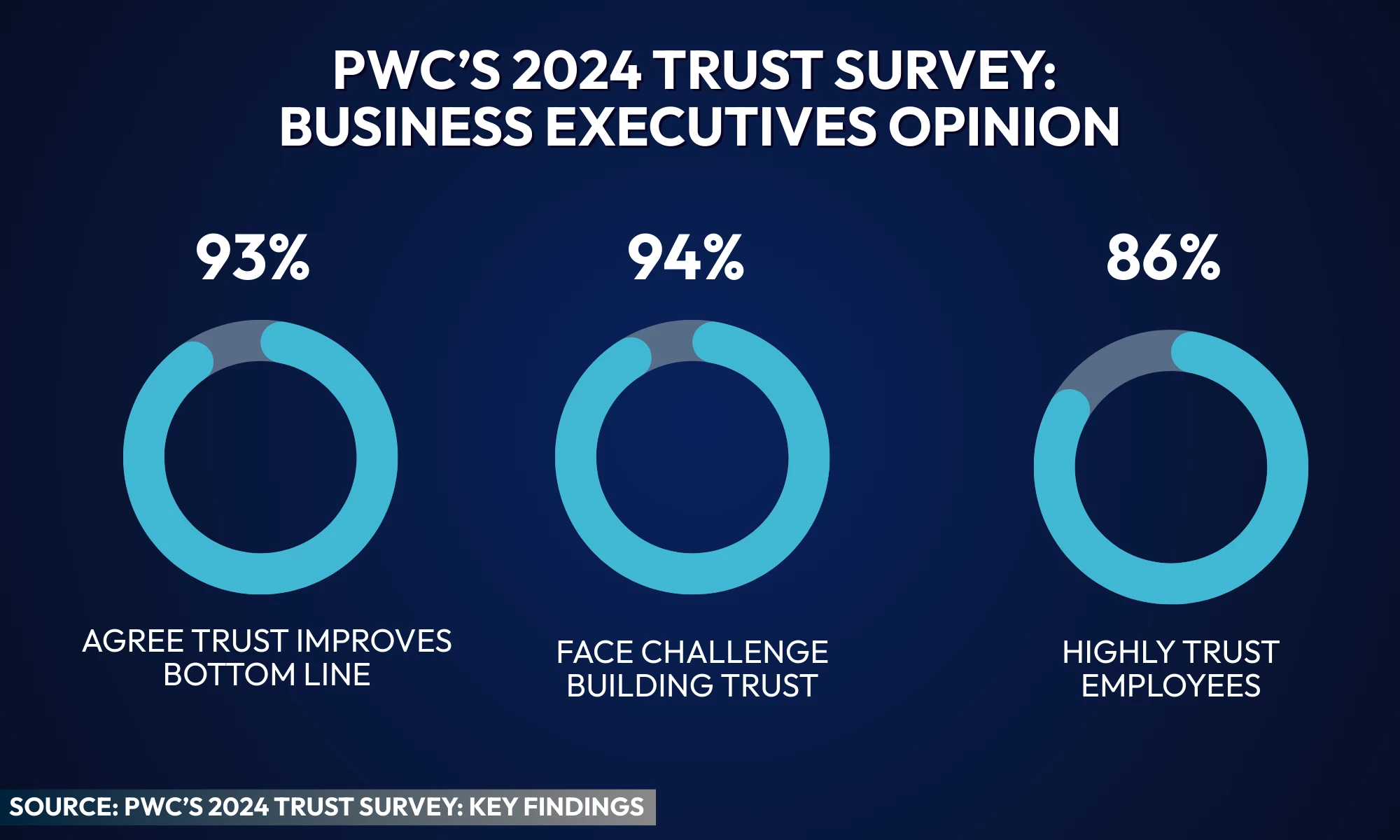
This is underscored by PwC's 2024 Trust in Business Survey, which found that 95% of executives believe organizations must actively build trust, 93% say trust improves the bottom line, 94% face challenges building it, and 86% highly trust employees.
Any gap between what the product promises and how the site performs can quickly erode credibility.
A disconnect between product and online representation can create doubt and cause users to abandon the buying process.
So remember: websites are more than a digital presence. They reflect a brand’s quality and set the tone for every interaction.
Digital Silk’s INW Precast redesign shows that clear layout, fast access to information, and intuitive navigation build trust and help buyers make confident decisions.
When the site mirrors the product’s promise, users move through the process without friction, and credibility is reinforced.
Companies that ignore this connection risk losing customers before they even see the product.