
Web Development Key Findings:
- Start with a technical and UX audit to fix what’s broken. Without addressing speed, mobile issues, or SEO gaps first, even the best-looking redesigns will fail to convert.
- Unify UX, SEO, and speed to create a site that ranks and converts. Websites can become powerful, search-friendly conversion tools.
- Build with modular architecture and local SEO for scalability. Scalable frameworks and geo-targeted pages allow for faster expansion without sacrificing performance or usability.
88% of users are less likely to return after a bad experience, making your website your first and potentially most critical conversion opportunity.
Yet too many companies still treat web development as a visual refresh instead of a performance-optimized growth lever.
In fact, Semrush reports that 82% of websites have performance issues that impact user experience.
And visuals are just one part of the equation.
Take page load time as an example.
As page load time increases from one to seven seconds, the probability of a mobile site visitor bouncing rises by 113%, according to a Google mobile benchmarks report.
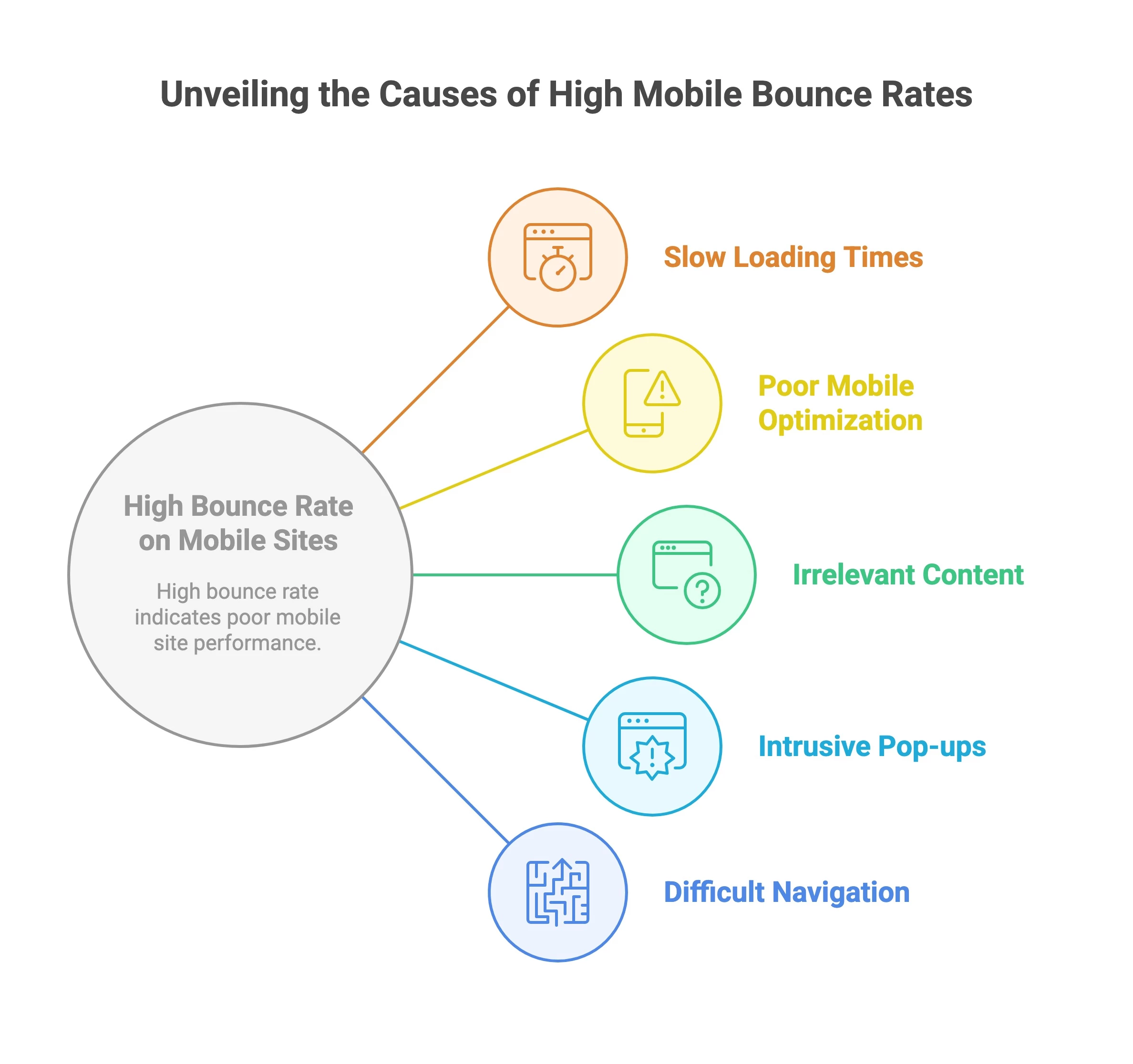
Whether you’re grappling with low conversion rates, rising customer acquisition costs, or limited local visibility, the fix may not be more ads; it may be better web architecture.
Agencies like Digital Silk, which specialize in performance-first development, emphasize that modern web builds should be engineered for growth, not just aesthetics.
So what does performance-first development actually look like in practice?
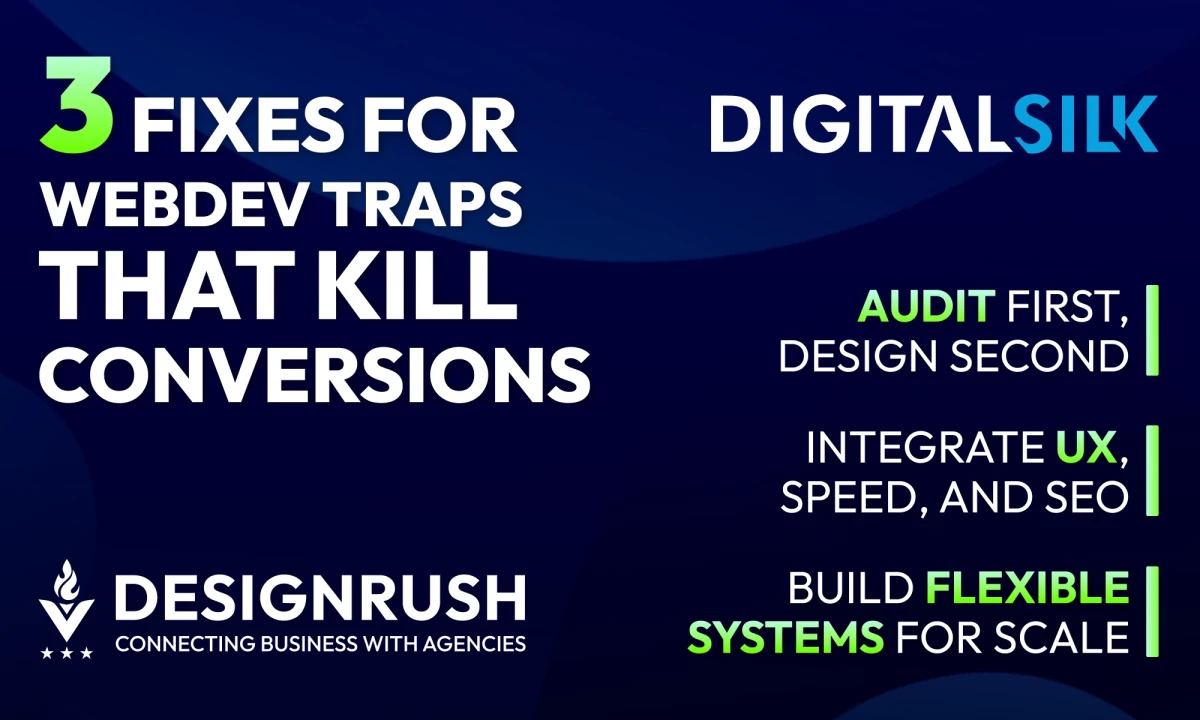
These three tactics separate scalable sites from the ones that quietly bleed revenue.
- Audit first, design second
- Integrate UX, speed, and seo
- Build flexible systems for scale
Turning Web Development Into a Growth Strategy
Tactic #1: Start With a Technical and UX Audit, Not Design
One of the most common — and costly — mistakes in web development is jumping straight into redesign without understanding what’s actually holding a site back.
Instead, modern web development should begin with a comprehensive audit that assesses technical performance (load time, Core Web Vitals, crawlability) and user experience (conversion friction, mobile responsiveness, content structure).
These audits help teams identify the root causes of low engagement and missed conversions.
“Start with an audit. Tackle high-impact fixes like speed and mobile UX first. Work with a partner who builds for ROI, not just looks,” said Gabriel Shaoolian, founder and CEO of Digital Silk.
This step is especially important for companies dealing with outdated infrastructure or fragmented tech stacks, where performance issues often go unnoticed.
Addressing those problems upfront ensures that development resources focus on improvements that actually move the needle.
Takeaway: A proper audit identifies where your website is leaking traffic and conversions. Fix the foundations first, or risk investing in design that can’t deliver results.
Tactic #2: Align UX With Performance and Search
In 2025, web development is about how fast a website loads, how easily it can be found, and how smoothly it converts.
That’s why successful web development strategies prioritize UX, SEO, speed, and accessibility together.
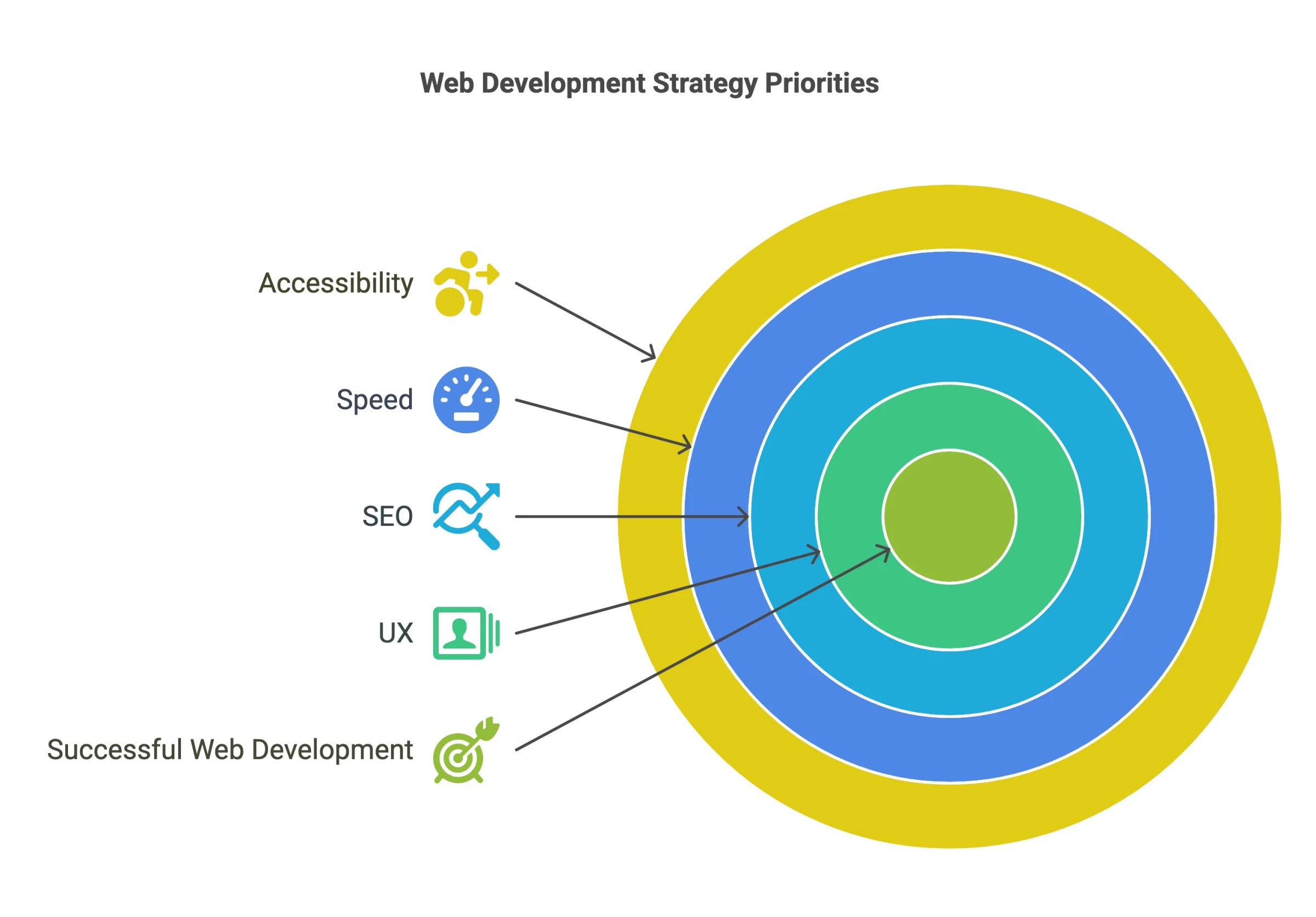
Too often, these elements are handled in isolation: UX in one silo, SEO in another. But they’re deeply connected.
For example, an intuitive content hierarchy helps users navigate and helps search engines understand relevance.
Faster page loads improve both user experience and search rankings. Accessible design improves technical performance and reduces friction.
“A modern website isn’t just about great design — it’s about speed, UX, SEO, accessibility, and driving conversions,” said Shaoolian.
Leading web development agencies structure projects around user intent and performance metrics from the start.
That means mobile-first layouts, search-optimized page architecture, clean navigation, and content that serves both users and crawlers.
When UX and SEO are developed together, websites become much more than marketing assets. They become conversion engines.
Takeaway: Speed, UX, and SEO aren’t separate goals; they’re overlapping systems. Build with all three in mind to create a site that users (and search engines) love.
Tactic #3: Build for Scalability With Modular Architecture and Local SEO
As companies grow, so do their digital needs.
Whether it’s launching in new regions, supporting multiple product lines, or integrating new marketing tools. Web infrastructure that isn’t built for flexibility quickly becomes a bottleneck.
Scalable development starts with modular architecture: a system that allows teams to add pages, update layouts, and support campaigns without custom dev work every time.
When paired with location-specific SEO strategies, it becomes a powerful engine for geographic and market expansion.
“A forward-thinking agency builds for scale — fast, SEO-optimized, user-focused, and integrated with your business tools,” said Shaoolian.
Brands expanding into new territories, for example, benefit from geo-targeted landing pages designed to capture local search traffic.
These pages must load quickly, reflect local intent, and convert, while still being easy to replicate and manage through the CMS.
Maintaining technical health during scale is also critical. Regular audits, lightweight components, and clean markup help ensure performance and visibility don’t degrade as the site grows.
Takeaway: Scalability isn’t just about headcount or markets — it’s about having the right systems in place. Build modularly and locally to grow fast without sacrificing performance.
Final Thought: Web Development Is a Growth Channel, Not a One-Time Project
Too often, businesses treat web development as a one-off redesign: a box to check every few years.
Your website plays a central, ongoing role in how customers find you, engage with your brand, and convert.
That’s why modern development must be performance-driven, search-aware, user-focused, and built to scale.
Each of the tactics above, from auditing your current site to aligning UX with SEO and structuring for growth, turns your website into a true business asset.
Agencies like Digital Silk stress the importance of treating the website as a living part of your growth engine, not a static marketing artifact.
“Legacy systems and slow load times quietly cost you traffic, rankings, and sales. Most brands don’t realize the damage until it’s too late,” warned Shaoolian.
Web development isn’t just about what your site looks like today. It’s about how your site supports your goals tomorrow.