
SEO Roundup: Key Findings
- ChatGPT’s shopping research tool hits 52% accuracy, giving AI a clearer role in early product discovery that normally starts with a Google search.
- Google Ads widens its messaging reach by adding Facebook Messenger and Zalo to help brands improve cross-platform customer engagement in APAC.
- Google’s Thanksgiving update triggers major SERP swings, disrupting traffic and conversions during the biggest shopping weekend of the year.
Each week, the DesignRush SEO team breaks down the latest updates shaping search and paid media. Teams seeking specialized support can view our full roster of vetted SEO partners.
This week brought major changes in how consumers discover and purchase products online.
ChatGPT made its most aggressive push into commerce yet, while Google expanded advertising tools as it deals with ranking instability during peak shopping season.
Here's our breakdown of this week's news.
ChatGPT's New Shopping Research Tool
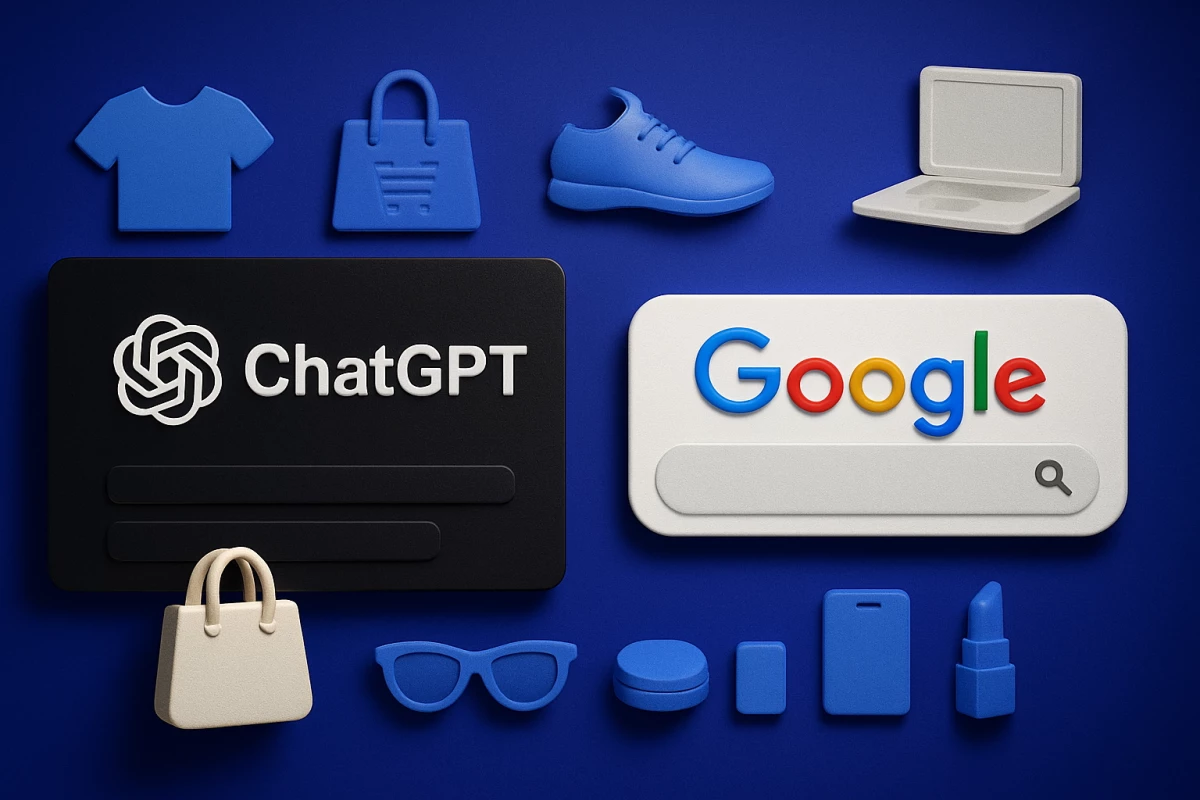
OpenAI released ChatGPT Shopping Research on November 24, creating personalized buyer's guides for logged-in users across all plan tiers.
OpenAI's internal testing showed the tool reached 52% product accuracy on multi-constraint queries, compared to 37% for standard ChatGPT Search.
The feature pulls product prices, availability, reviews, and images from across the web.
This positions ChatGPT as a starting point for product discovery outside traditional Google search.
Google's Releases and Updates
Google pushed several updates across its Search and Ads platforms throughout the week, from new messaging integrations to algorithm volatility.
First, Google Ads now supports Facebook Messenger and Zalo Messenger integrations, expanding its existing WhatsApp extensions.
The Vietnamese platform will give advertisers access to key Asian markets where the app dominates.
Second, the Google Ads Overview tab now supports up to five custom views, letting advertisers create personalized dashboards for their specific reporting needs.
The update gives teams more flexibility to track the most important metrics without toggling between multiple reports.
Next, the tech giant began routing complex queries in AI Mode to Gemini 3 Pro for subscribers to AI Pro and Ultra plans in the U.S.
Users may notice more visual and detailed responses as the system intelligently selects which model handles each query.
The rollout of Gemini 3 in Search continues! We’ve just shipped intelligent automatic model routing to Gemini 3 Pro for your toughest questions in AI Mode. Currently available for Google AI Pro & Ultra subs in the U.S.
— Nick Fox (@thefox) November 26, 2025
Third, Google also appeared to roll out a search algorithm update starting November 24, just ahead of Thanksgiving, Black Friday and Cyber Monday.
SEO chatter increased as professionals reported dramatic ranking changes, traffic drops, and conversion impacts.
Multiple tracking tools, including Semrush, Mozcast, and Advanced Web Rankings, registered elevated volatility over several days.
Thanksgiving Google Search ranking update, icymi https://t.co/sl5v4UyaRDpic.twitter.com/JSD3ya0LS1
— Barry Schwartz (@rustybrick) November 27, 2025
Next, the search giant's "What to Know" product summary feature has moved beyond AI Mode into the core web search results.
It now appears in the product summary bar when users click on items, bringing AI-generated product insights directly into traditional search.
This blurs the line between standard results and AI-powered summaries, creating a new layer of optimization brands will need to account for in product search.
And lastly, Google Ads Manager Accounts experienced a wave of hijacking attempts through sophisticated phishing campaigns.
It allegedly even affected accounts with two-factor authentication enabled.
Attackers use fake emails mimicking legitimate Google access requests that redirect users to spoofed login pages.
One advertiser reported fraudulent campaigns racking up tens of thousands in ad spend within 24 hours.
Meanwhile, Google warned that bad actors are targeting dormant accounts during the holiday shopping rush.
Gary Illyes on AI Search Evolution
Google analyst Gary Illyes shared surprisingly candid thoughts on how AI is reshaping search.
Writing on LinkedIn, he acknowledged that "the change is hard to accept" even for someone who's been in search since the Lycos and AltaVista days.
He also noted that search is evolving to serve a new generation whose behaviors differ wildly from older users.
So, SEM and SEO will need to adapt alongside these changes.
This is especially true as younger users approach search with expectations shaped by conversational AI rather than keyword inputs.
The Pressure Points Search Teams Are Facing
These updates reveal three distinct pressure points hitting search advertising simultaneously.
Product discovery is moving into conversational AI environments where traditional SEO signals may not apply.
Paid media is expanding across messaging platforms, as brands chase customers on their preferred communication channels.
And Google's core algorithm continues shifting unpredictably, even during critical shopping windows.
Recent research from BrightEdge shows YouTube now captures 20% of AI platform citations on average.
Meanwhile, data from SE Ranking analyzed 129,000 domains and found that sites with over 350,000 referring domains averaged 8.4 ChatGPT citations.
These demonstrate that AI systems favor specific content types but continue to use traditional authority signals for visibility.
Brands and agencies can respond to this week's shifts with these moves:
- Monitor ChatGPT's shopping research rollout to understand how AI product discovery affects your category's purchase journey.
- Test Google Ads messaging extensions including Facebook Messenger and Zalo if you operate in APAC markets.
- Audit traffic and conversion changes from the Thanksgiving update to identify which pages lost or gained visibility.
- Build authority signals, including backlinks and domain trust, to improve visibility in both traditional search and AI citations.
- Prepare teams for continued volatility as Google integrates more AI features and shifts ranking factors.
Traditional SEO fundamentals still drive results, but the playing field is expanding fast.
Our Take: Is This the Year Search Finally Splits in Two?
I think we're watching search fragment into two distinct channels.
Traditional Google search still drives the bulk of revenue and conversions, but AI platforms are building their own discovery layer that bypasses websites entirely.
Illyes admitting that the change is "hard to accept" tells me everything about where we are right now.
The Thanksgiving algorithm update during peak shopping season shows Google is still willing to shuffle rankings regardless of timing.
I suspect 2026 will be the year brands need parallel strategies for search and AI discovery.
They will treat them as separate channels with different optimization requirements.
Check out last week's SEO roundup for the full breakdown of Adobe’s Semrush acquisition and other major search updates.
Need help navigating AI-driven search and Google's latest updates?
These top SEO agencies build strategies that adapt to algorithm volatility and emerging discovery channels.