
Generative Engine Optimization (GEO): Key Findings
- Generative search is changing how visibility works, making AI citations as critical as rankings.
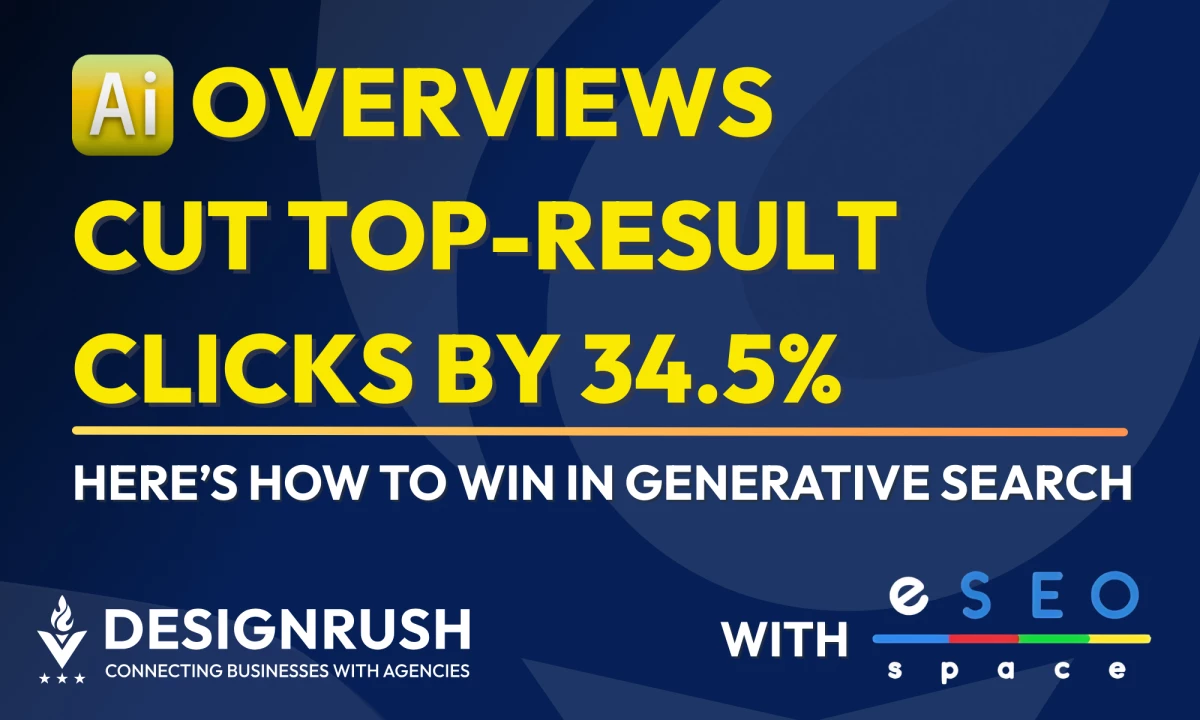
- AI overviews cut clickthrough rates for top results by 34.5%, shifting traffic dynamics.
- GEO is not just about being cited; it is about turning AI-driven traffic into trust and conversions.
Generative search is reshaping how brands, especially those in digital services, healthcare, and SaaS, get discovered and pushing agencies to adopt a new approach to visibility: Generative Engine Optimization (GEO).
And the shift is already showing up in clickthrough data.
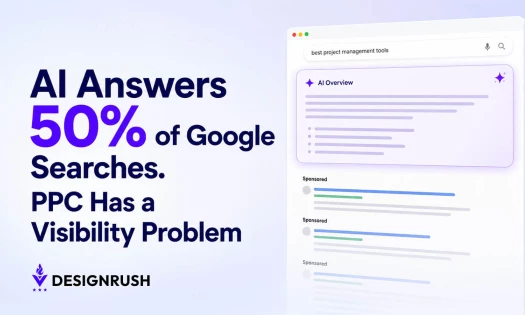
An Ahrefs study of 300,000 keywords found that AI overviews reduce clickthrough rates for the top organic result by 34.5%.
That drop can push a page that normally ranks first below the fold. Being included in the AI answer matters as much as ranking itself.
This is where GEO adds a new layer to SEO.
Agencies now track AI citations, share of AI recommendations, and conversion lift from AI-driven traffic alongside traditional metrics.
“Instead of just ranking on page one of search results, your goal becomes being referenced as a trusted source by these AI systems,” said Irina Shvaya, Partner and Marketing Consultant at eSEOspace, a San Diego-based SEO and AI optimization agency specializing in web design and local search strategies.
This is because it draws higher-quality leads who arrive already confident in your expertise.
Editor's Note: This is a sponsored article created in partnership with eSEOspace.
Building GEO Into SEO Strategy
Structured data, topical authority, and conversational content improve the chances of being cited in AI-generated answers.
When clients see that these citations drive high-intent visitors, GEO becomes a clear source of business value.
Traditional SEO remains important. Keywords, page speed, and backlinks still matter, but GEO requires new skills.
Teams need expertise in schema markup, entity signals, and conversational copywriting.
For example, eSEOspace integrates AI-aware web design, technical SEO, and structured data optimization for service-based businesses. Clients range from therapy software companies like TheraPro360 to national digital platforms, enabling them to dominate both organic and generative search.
“For agencies working with SaaS platforms, web design clients, or digital services, this shift allows them to show their clients new opportunities for visibility that competitors might not be tapping into yet,” Shvaya explained.
Tools that track AI mentions are now as important as traditional ranking reports.
This is because traffic from AI citations behaves differently. Visitors often arrive ready to make a decision.
Pages must load quickly, read clearly, and establish trust instantly. Testimonials, credentials, and clear calls-to-action matter more than broad content.
eSEOspace also recommends including FAQ sections and conversational content to address the follow-up questions users are likely to ask AI tools.
“These tweaks help ensure that once people land on your site, they stay and convert,” said Shvaya.
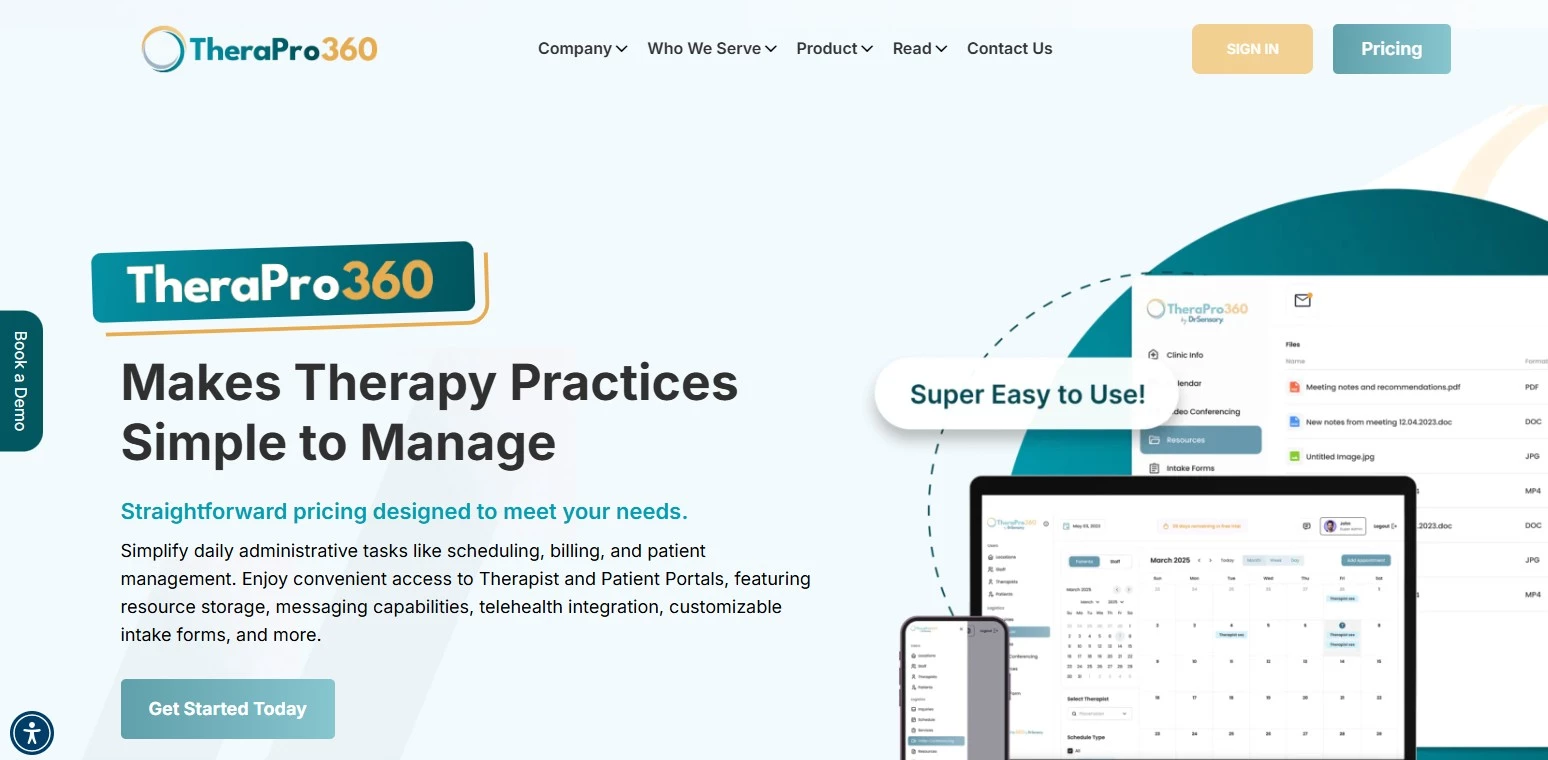
TheraPro360, a therapy practice management platform, offers a clear example of GEO in action, especially for new PT, OT, and speech therapy clinics looking for an easy-to-use, beautifully designed solution.
After updating its site with schema markup, conversational copy, and authority-focused content, the brand saw increased visibility in AI-generated summaries across platforms like Google SGE and ChatGPT, along with significantly improved conversions from high-intent visitors, including therapists actively searching for HIPAA-compliant practice management software.
GEO is not just about being cited. It is about what happens after the click.
eSEOspace spotted the trend early. Its team learned how generative engines interpret content, monitored AI mentions, and updated client reporting.
The result? TheraPro360 shows how GEO delivers value beyond traditional SEO.
“Thanks to eSEOspace’s expertise, we now rank for key terms in both traditional and AI-powered search,” said Eva Lassey, Co-Founder of TheraPro360.
“Our new site not only looks professional but consistently brings in qualified leads from therapists and clinic owners looking for an all-in-one solution.”
Shvaya noted that TheraPro360 is now seen as a trusted source in both search results and AI-generated recommendations on platforms like Google SGE and ChatGPT.
“This partnership has done more than just boost visibility. It’s helped therapists, counselors, and small clinics across the country grow with a user-friendly, HIPAA-compliant software platform and a website that looks professional, ranks well, and turns visitors into clients.”
Seeing how TheraPro360 performed makes it clear why agencies now prioritize partners who combine technical SEO with AI-aware strategies.
That shift also highlights what to avoid, including:
- Outdated methods
- Siloed content and SEO
- A lack of understanding of schema, Experience, Expertise, Authoritativeness, and Trustworthiness (E-E-A-T)
- Semantic search
Success comes from aligning content, technical SEO, and AI optimization to build authority across discovery channels.
Turning AI Visibility into Conversions
To recap, generative search redefines where influence happens:
- Agencies can now track clicks, AI references, and presence in knowledge graphs or entity networks.
- Content and design guide high-intent visitors and support conversions.
- Conversational copy and precise microcopy answer the follow-up questions AI users are likely to ask.
- Page layout and structure build trust immediately with fast access to key information, intuitive navigation, and signals that reassure.
TheraPro360 demonstrates the effect.
With a proven track record, eSEOspace delivers custom website design, GEO and SEO strategies, AI citation tracking, and local SEO for industries ranging from SaaS to healthcare. Their tailored approach ensures clients are not only seen in AI-generated results but also turn traffic into conversions.
Structured data paired with user-focused copy increased visibility in generative answers and optimized landing pages for conversion.
TheraPro360 combines a robust therapy practice management software suite, including scheduling, billing, telehealth, and documentation tools, with SEO-optimized website design and digital marketing support specifically tailored for therapists and clinics.
This approach turns AI citations into authority, drives high-intent traffic, and creates a clear path from discovery to decision.
What GEO Means for Agencies and Brand Visibility
How can you put this into action? Pay attention to who’s leading the shift and turning strategy into outcomes.
For example, as previously mentioned, using FAQ sections and clearly structured content formats are proven ways to increase visibility.
That said, these tactics are just the beginning.
Understanding how AI systems prioritize and present information can turn well-structured pages into featured citations that drive high-intent traffic and deeper engagement.
As for brands, appearing in AI results is an opportunity to shape perception and influence user decisions before they even reach your site.
As GEO gains ground, focus on what matters: trusted content, AI-friendly structure, and clear answers that put you ahead.