
Key Takeaways:
- Prioritizing recyclability gives companies a competitive edge amid stricter regulations and rising eco-conscious demand.
- Sustainable design reduces costs, enhances operational efficiency, and safeguards businesses against supply chain risks.
- Authentic sustainability fosters long-term consumer trust, strengthens brand loyalty, and improves market positioning.
Sustainable packaging design isn’t just the right thing to do for the planet — long-term, it’s also a smart business decision.
This is because recyclable product packaging allows brands to differentiate themselves from competitors, stay ahead of government regulations, and future-proof supply chains.
Plastic pollution is a critical global challenge, with over 460 million metric tons produced yearly and 20 million metric tons of plastic waste ends up polluting the environment.
While it is far from the only solution to the plastic waste problem, recycling plays a pivotal role. And if we want to make recycling work — it all starts in the design phase.
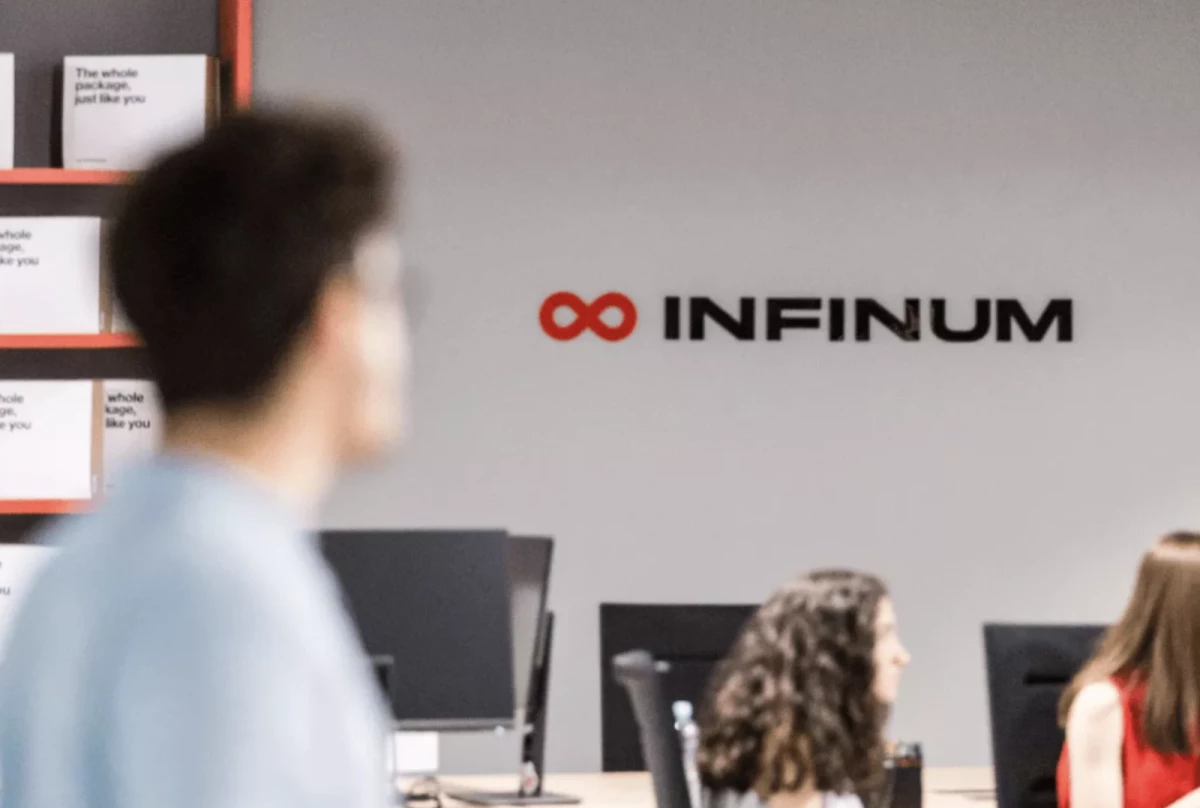
Infinum, a digital innovation leader, spotlighted this issue in the latest episode of its “Delivered” event series. Titled “Recycling Starts with Design,” the episode featured Pia Baker, Director of Marketing at the Association of Plastic Recyclers (APR).
Chris Bradshaw, Product Strategy Director at Infinum and host of the Delivered series, facilitated the discussion, guiding the conversation to extract valuable insights for businesses aiming to enhance their sustainability efforts.
Why Recycling Begins with Design
In this episode, Baker delved into the intricacies of plastics recycling, emphasizing the critical role that design plays in the recyclability of products.
She addressed common misconceptions about recycling and highlighted how thoughtful package design can significantly reduce environmental impact.
Baker also shed light on the increasing regulatory pressures and evolving consumer expectations driving companies to adopt sustainable practices.
She underscored that integrating recycled materials into products and designing for recyclability are no longer just environmental ideals but business imperatives:
“We’ve turned into a society of consumption.”
“While recycling isn’t a silver bullet — we must also reduce consumption and find reusable solutions — companies can make a huge difference by designing products that can be recycled.”
Overall, the episode provided listeners with actionable insights, including:
- Understanding the mechanics and significance of plastics recycling
- Identifying and dispelling prevalent recycling myths
- Recognizing the pivotal role of package design in the recycling process
- Anticipating and preparing for forthcoming environmental regulations
- Implementing strategies to minimize organizational environmental footprints
Companies that prioritize recyclability in product design are better positioned to meet evolving regulations and consumer preferences.
As governments impose stricter packaging laws and eco-conscious consumers favor sustainable brands, businesses that adapt proactively can secure a competitive edge.
Moreover, integrating recycled materials and designing for circularity can lead to cost savings and operational efficiencies.
By reducing dependency on virgin plastics and minimizing waste, companies future-proof their business against supply chain disruptions and shifting market demands.
A Commitment to Innovation
Sustainable design is more than a corporate responsibility — it’s a competitive advantage.
As the conversation around sustainability evolves, businesses that embrace innovation and responsible design will lead the way.
Infinum's "Delivered" event series, also available as a podcast, continues to highlight the intersection of technology, design, and business strategy, offering invaluable insights for companies looking to stay ahead.
By featuring topics like sustainable design, it reinforces its commitment to fostering innovation that aligns with environmental responsibility.
Previously, the series featured Rebecca Courtney, a facilitation coach at AJ&Smart, who discussed how workshops can transform collaboration and drive better results in business settings.