

Medical Billing Automation: Key Findings
- Billing errors cost U.S. providers $36B a year, with smaller practices losing up to 30% from preventable denials and manual workflows.
- Automation that favors precision over speed cuts errors, reduces resubmissions, and protects both revenue and team resources.
- A short pilot targeting high-volume, denial-prone claims can quickly expose gaps, recover margin, and restore trust.
In addition to slowing operations, billing mistakes can erode brand perception and drain revenue.
At first, the impact may go unnoticed, but it can compound over time.
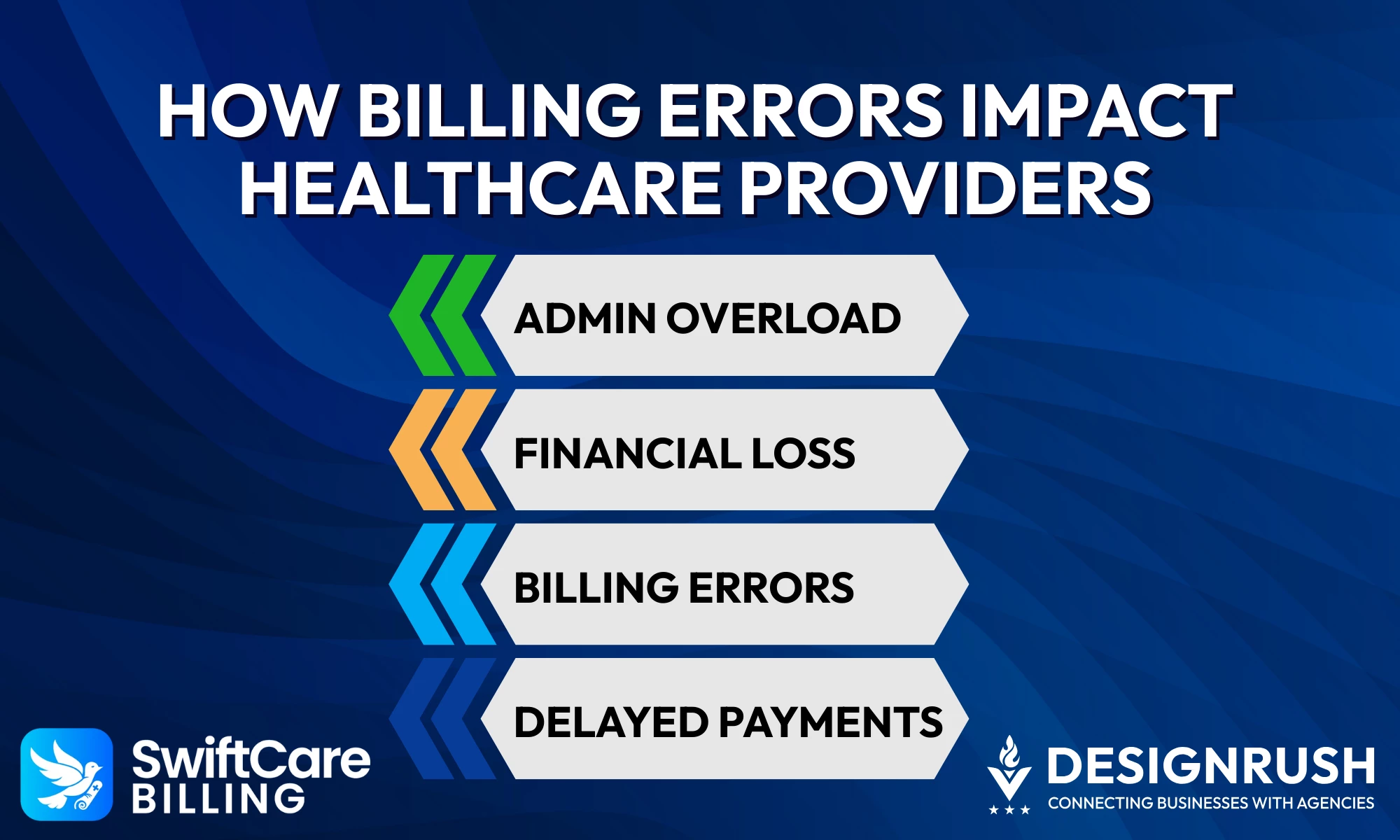
For healthcare companies, where trust is non-negotiable, administrative missteps carry big consequences and can lead to serious problems such as:
- Burning out staff
- Frustrating patients
- Damaging brand trust
And financially, the impact is massive.
These oversights are all too common, contributing to the staggering $36 billion in annual revenue losses by U.S. healthcare providers.
The worst part? These failures are largely preventable.
In fact, about 12% of claims contain coding inaccuracies, leading to denials and delayed payments, according to medical billing company SwiftCare Billing. For smaller practices, these sorts of errors can result in up to 30% of revenue slipping through the cracks.
One of the biggest culprits is manual billing, which slows cash flow, increases errors, and puts additional strain on staff.
That’s where automation provides a direct fix, reducing errors, improving reimbursements, and protecting both margins and brand trust.
Unlike manual billing, automated systems can flag issues in real time, freeing up teams to focus on resolving denials instead of chasing paperwork.
Editor's Note: This is a sponsored article created in partnershio with SwiftCare Billing.
Why Precision Beats Speed in Medical Billing
Many clinics assume that speeding up claims is the key to faster reimbursements.
But in reality, chasing speed without accuracy can lead to costly denials, repeated resubmissions, and team burnout.
Ghazanfar Bashir, CEO of SwiftCare Billing, warns that unnecessary claim resubmissions “chip away at your revenue and drain your team’s time.”
“The real problem? It’s not always about speed. It’s about precision,” Bashir said.
Excessive resubmissions and billing errors can incur steep costs for medical practices.
This is because every duplicate claim or missing form delays payment and consumes valuable staff hours.
When precision slips, it creates several costly challenges for the practice, including:
- Denials caused by duplicate submissions
- Time-wasting admin that doesn’t generate revenue
- Chronic delays that damage brand confidence
The real advantage comes from billing systems and workflows that ensure claims are accurate from the start.
This creates a consistency that protects revenue and reduces strain on staff.
To put this into practice, Bashir recommends a simple checklist with these four steps:
- Always check claim status before resubmitting
- Address the root cause of denials
- Attach all required documentation up front
- Use correct resubmission codes every time
When done consistently, this workflow helps teams work smarter and make billing a brand strength, not a liability.
It also builds internal accountability, giving leadership clearer visibility into what's working, where teams are stuck, and how billing impacts overall brand performance.
Turn Billing Fixes Into Brand Wins
Treat billing like a task, and complacency sets in.
Treat it like a performance metric, however, and you unlock gains far beyond revenue.
High-performing teams track key signals like:
- Dispute patterns, exposing the points where trust breaks down
- Payment timelines, highlighting breakdowns in internal processes and team coordination
According to Bashir, automated claim validation and denial analytics give practices a clearer view of recurring issues, making it easier to prioritize corrections.
“Too many clinics wait until the numbers show up in the quarterly report to realize there’s a problem,” he said.
“Real-time visibility means you can fix issues before they snowball into lost revenue or patient frustration.”
With the right systems in place, brands can move from reactive problem-solving to strategic forecasting.
Even a short pilot, focused on high-volume payers and denial-prone categories, can surface insights that improve margins and rebuild patient confidence.
Start by tracking the KPIs that matter most: first-pass acceptance, denial frequency, time to payment, and patient billing disputes.
Use vendor capabilities to close the gap between billed and collected revenue, and make sure your goals are clearly defined and measurable.
A ten-point jump in acceptance or cutting outstanding claims by a few points can help recover part of the up to 30% of revenue lost to billing errors.
The key is ownership: a senior team member should drive the process, report progress clearly, and ensure resources go to claim scrubbing and denial analysis.
Done right, this approach converts lost revenue into recovered margin and strengthens patient trust.