
Netflix’s 'Stranger Things' Campaign: Key Findings
- Netflix cast UFO journalist Jaime Maussan to anchor the story in real Mexican legends, showing how brands can tap local culture without losing sight of the IP.
- Created with Mama Hungara and .Monks, the ad expertly imitates "Stranger Things," showing how immersive storytelling works when every detail is built with care.
- Netflix gave creative control to its production partners on the ground, proving that stepping back can lead to stronger, more culturally specific storytelling.

Campaign Snapshot
Netflix is back in the "Stranger Things" universe. But this time, it’s not with a trailer.
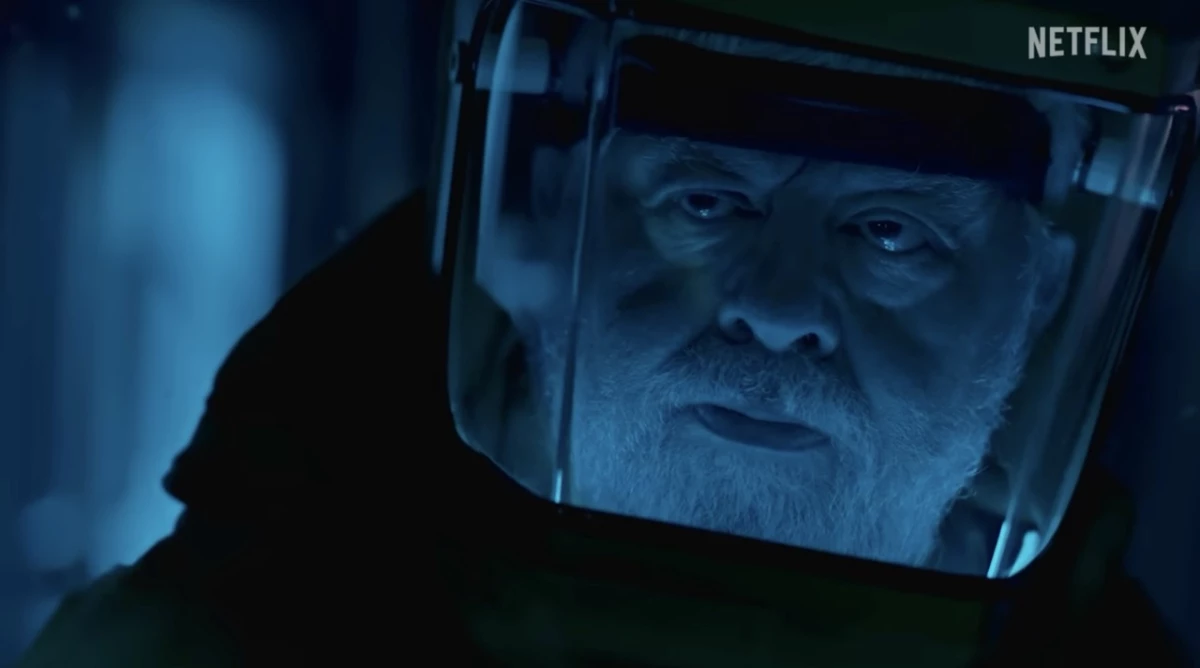
Its recent cinematic campaign stars Jaime Maussan, Mexico's most well-known UFO journalist.
Designed to resemble an actual "Stranger Things" episode, the piece feels less like an ad and more like something pulled straight out of Hawkins.
Shot in Mexico, the ad was produced by Argentine studio Mama Hungara, known for high-concept storytelling, in partnership with global digital agency Monks.
What makes it stand out?
The ad fully commits to the show’s eerie, moody vibe, while blending immersive storytelling with pop culture nostalgia.
It also taps into global UFO fascination, a hotly debated topic that’s stayed relevant for decades.
For Netflix, the campaign serves as a smart way to sustain fan interest between seasons.
By using cinematic storytelling, the world of Hawkins stays top of mind, even when viewers aren't streaming it.
For marketers, the campaign’s cinematic style, cultural relevance, and franchise-level detail show that the best brand work goes beyond borrowing IP.
And for fans, if they’d just slapped "Stranger Things" branding on an ad, it wouldn’t have been as impactful. Most probably wouldn’t have engaged or respected it.
How Netflix Made an Ad Feel Like a Bonafide Episode
The spot was directed by Fernando Cattori and Tomo Terzano, both known for harnessing cinematic depth in commercial work.
Their approach? Treating the campaign like a short film, aiming to recreate the feeling of "Stranger Things" down to every last detail.
Jaime Maussan plays himself, leading an investigation that frames some of Mexico’s most mysterious, paranormal locations as possible manifestations of the "Upside Down:"
- The Zone of Silence: a remote desert often compared to the Bermuda Triangle
- Tampico: a coastal city tied to urban legends about UFOs and alien protection
The setting, digitally reworked to resemble the city of Tampico, offers a local twist on the supernatural world of "Stranger Things," complete with foggy skies and floating spores.
Netflix's involvement was minimal, allowing producers to shape something where they were, while harkening to the show's elaborate universe.
As for the final product? They nailed it. It looks and feels like "Stranger Things," an achievement creatives should take note of.
You shouldn't get lazy with brand storytelling, or just borrow from a brand or show's general look.
Instead, aim to step into the world, capture its essence, and use it to elevate every aspect of your creative process.
Immersive Marketing Lessons from 'Stranger Things' Brand Collabs
Netflix isn't the first to bank on "Stranger Things" and immersive video storytelling to drum up attention.
Over the past year, many big brands tied campaigns to "Stranger Things," digging deep to ensure they captured the series authentically.
Here are two top-notch examples for marketers to watch:
1. Gatorade: 1987 Meets the Upside Down
Gatorade brought back its original “No Ordinary Thirst Quencher” campaign from the 1980s.
But instead of just using retro bottles, it placed the brand inside the world of "Stranger Things."
Voiced by NFL star Myles Garrett, the spot follows athletes moving through eerie, shifting environments. Courts and fields slowly turn into the Upside Down. Vecna appears. The pressure builds.
At the center is a moment of hesitation and then action. Garrett’s narration connects the fear athletes feel before a game to the fear that runs through the show.
And it ends with a simple message: “You’re no ordinary athlete. And Gatorade is no ordinary thirst quencher.”
What brands can learn? Don’t just dress something up in nostalgia.
Gatorade made the show’s themes part of its story. It didn’t just nod at "Stranger Things." It asked what the two have in common, and built something that made sense in both worlds.
If you ask us, that’s what made it work.
2. Microsoft Flight Simulator: Hawkins Heli-Tours
Boo Agency and Microsoft gave fans a way to step into "Stranger Things."
They built a flyover version of Hawkins inside Microsoft Flight Simulator, with missions, strange visuals, and a made-up tour company run by Murray Bauman.
The idea didn’t stop there. A "Stranger Things" themed travel office opened in New York.
Times Square played glitched-out footage from the tour. Even the game menus looked like they came from another decade. It all fits together.
What brands can learn? Let fans do something with the world.
This worked because it wasn’t just a reference. It gave people a way in. When a campaign feels like part of the story, fans notice.
Our Take: Does Netflix’s 'Stranger Things' Expose Lazy Ads?
You can't deny the impressive creative execution behind this "Stranger Things" ad.
It delivers exactly what it needed to, especially for Netflix in Mexico.
By centering the story on Jaime Maussan and tying it to real myths and places, it kept the show culturally relevant while adding something new to the world of Hawkins.
At the same time, it artfully borrows from the series. And respectfully so, referencing and amplifying it without lazily trying to piggyback off the show's success.
This kind of purposeful execution can (and should) put pressure on marketers.
For agencies, it's a reminder not to coast on a brand’s legacy or lean too heavily on easy shortcuts like AI.
Don't believe me? Several major players blew it this year by getting lazy.
McDonald’s pulled its AI-generated holiday ad in the Netherlands after viewers called it cold and off-putting.
And Coca-Cola’s attempt to refresh its classic “Holidays Are Coming” ad with AI also fell flat, with awkward glitches and no real emotional pull.
My take? Human minds and smart use of IP still connect best with fans.
If you’re going to lean on a cult-favorite show, don’t slack. Because if you do, its most loyal fans will definitely notice.
Want to build work that actually fits the world you're borrowing from?
Check out our Top Creative Agencies, which know how to turn big ideas into campaigns fans believe in.