

Brand Culture & Trust: Key Findings
- Trust grows when agencies lead with listening, not just visuals.
- A brand becomes culture when story, drama, and restraint work in balance.
- Boldness and honesty create stronger connections than trying to please everyone.
81% of consumers say they need to trust a brand before buying, according to the Influencer Marketing Hub.
And nearly nine in ten value authenticity when choosing who to support.
That’s the context for Mādin’s work with Sirrah, a restaurant determined to create a feeling rather than just sell bottles.
In this exclusive interview with DesignRush, Jamie Maunder shares how his team built on energy, clarity, and risk-taking to turn Sirrah into a brand world people want to be part of.

Who is Jamie Maunder?
Jamie Maunder is a creative leader with 25+ years of experience bringing brands to life across sports, fashion, and lifestyle. As Chief Creative Officer at Mādin, he leads the vision behind bold, emotionally-driven work for clients like Formula 1 Las Vegas, San Diego FC, and Matua Wines. Jamie’s known for blending big ideas with cultural relevance, creating brand worlds that feel as good as they look. Before Mādin, he led creative for global events like the Olympics and FIFA World Cup, always finding fresh ways to connect identity with experience.
Build Trust Through Conversations
Instead of kicking things off with logos and layouts, Mādin started by listening.
Early talks with Sirrah were about New York neighborhoods, the indulgence of French dining rooms, and what it feels like to walk into a space that “hits you in the chest.”
That approach showed Sirrah the agency wasn’t chasing a style, but trying to capture a feeling.
“What if your bottle felt more like contraband than a commodity?” Maunder says.
By framing the work with questions like that, the team turned the process into a collaboration. Sirrah was co-creating the brand from the start.
Balance Story, Drama, and Restraint
Mādin treats identity-building like cooking: too much story and the dish feels heavy, too much visual drama and it’s all garnish, too much restraint and nothing sticks.
The goal is balance.
For Sirrah, the story came first: wine as theater, bottle as artifact, label as manifesto.
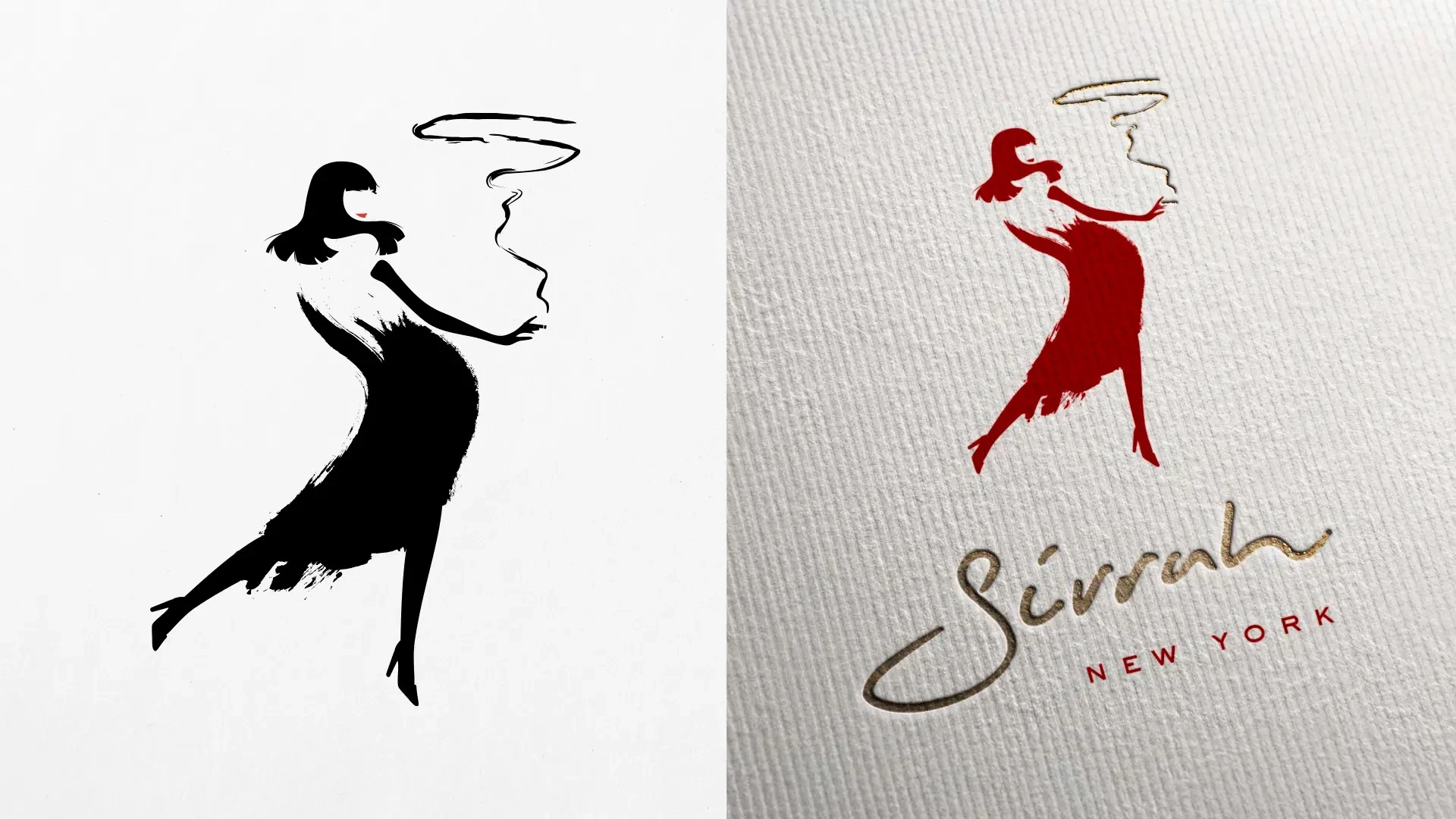
With that foundation, the visuals could be louder: type that demanded attention, colors that refused to blend in. Then came restraint, like a pause in music, to let the bold parts resonate.
As Maunder explains, a brand world works when it feels “inevitable,” when every detail so right that anything else would feel wrong.
That’s when it stops being branding and starts being culture.
Choose Boldness Over Neutrality
One of the biggest lessons from Sirrah was simple: don’t try to appeal to everyone. In hospitality, the pressure to be “welcoming to all” often produces forgettable brands.
Instead, Sirrah leaned into edges and obsession. The brand sparked love, debate, Instagram posts because it wasn’t afraid to take a stand.
“Don’t design for everyone, design for the people who will fall in love with it,” Maunder says.
Now, Mādin often asks new clients: what’s the thing you’re almost embarrassed to admit about your brand? That detail is usually what makes it magnetic.
Write Before You Design
At Mādin, the process starts with words, not visuals. Before any logo exists, the team writes a manifesto, a fragment of story, or even just a messy stream of sentences.
Those words anchor the work in emotional truth, making design decisions easier to trust later.
The agency also shares the rough drafts: the weird options, the failed directions.
Instead of hiding the mess, they invite clients into it.
“We’re not here to impress you with a magic trick, we’re here to make something brave with you,” Maunder says.
That honesty builds trust and makes risk-taking possible.
What Brands Can Take Away
Sirrah proves a brand can move from product to culture by starting with energy and clarity, and by bringing people into the process.
It’s about balancing drama with restraint and refusing to stand down what makes it unique.
Boldness and honesty aren’t risks, but they’re what make people lean in, talk about it, photograph it, and share it long after the first encounter.
Sirrah Branding FAQs
Why did Mādin’s work with Sirrah stand out?
Because it built trust through conversation and collaboration, not just visuals.
What makes Sirrah’s brand identity different?
It balances strong storytelling with bold visuals and just enough restraint to make the details resonate.
What lesson can hospitality brands take from this?
Don’t try to appeal to everyone; lean into what makes you unforgettable, even if it divides opinion.
Why does Mādin write before designing?
Writing anchors the work in emotional truth, which makes design choices feel inevitable.
How can brands move from product to culture?
By starting with clarity and energy, inviting clients and audiences into the process, and being bold enough to stand out.