
Samsung's AirDrop Move: Key Findings
- Samsung Galaxy S26 phones will support Apple's AirDrop, allowing direct file and photo sharing between Galaxy devices and iPhones or Macs.
- The feature rolls out from March 23, starting in Korea before expanding globally across Europe, North America, and other markets.
- Google's Pixel 10 gained the same capability last fall, meaning cross-platform file sharing is becoming a standard Android expectation.
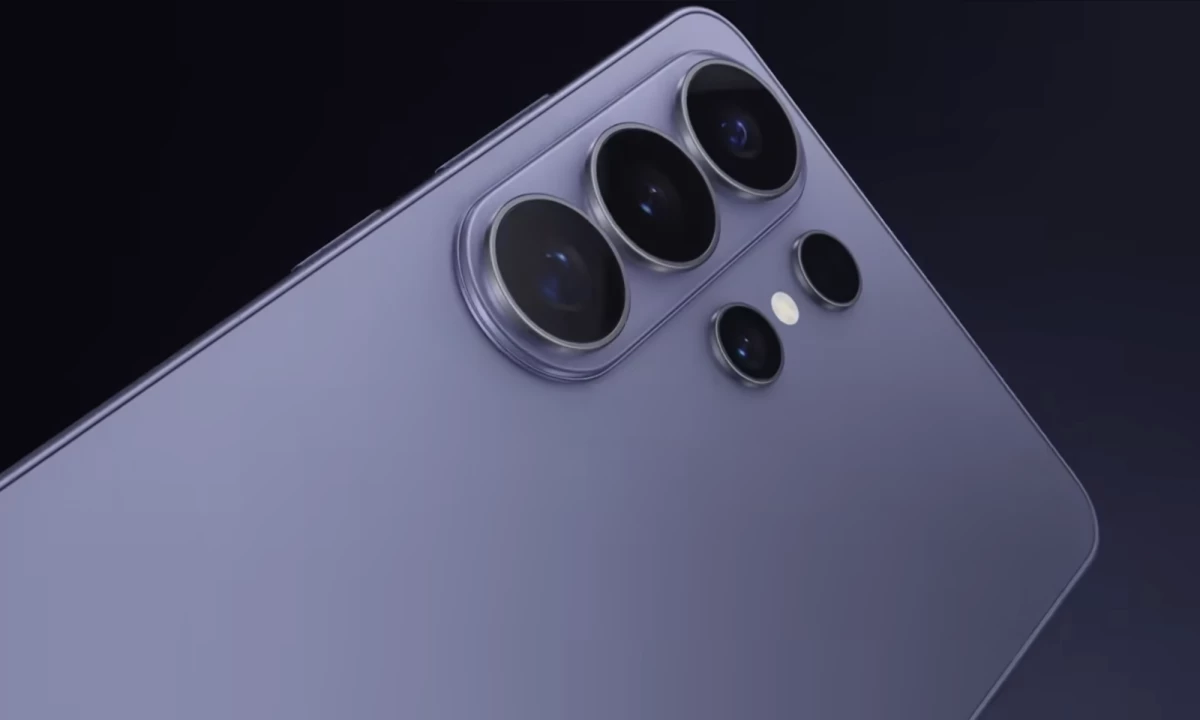
Samsung is adding Apple AirDrop support to its Galaxy S26 series, letting users send photos and files directly between Galaxy phones and Apple devices for the first time.
The feature arrives via a software update rolling out from March 23, starting in Korea and expanding to Europe, North America, and several other regions.
Users will find a new "Share with Apple devices" toggle inside the Quick Share settings menu once the update lands.
For an iPhone to receive files from a Galaxy phone, its AirDrop setting must be set to "Everyone."
Samsung says the feature is part of a bigger effort to improve interoperability with other operating systems, with expansion to additional Galaxy devices planned at a later date.
For brands and agencies managing content across mixed-device teams, the update removes one of the more persistent friction points in day-to-day creative workflows.
How the Feature Works
Once it's enabled, Galaxy S26 users can open Quick Share and see nearby Apple devices in the same way they would see other Android phones.
The process is similar to how AirDrop works natively on Apple devices, with no additional apps or accounts required on either side.
The company has not yet confirmed which additional Galaxy models will receive the update.
However, the lower-cost Galaxy A series has been cited as a likely candidate given its global sales volume.
Google introduced the same AirDrop compatibility on its Pixel 10 phones last fall, meaning that Samsung is catching up on a feature that has already been well-received by Android users.
Why the Timing Is Significant
Samsung and Apple together account for a large share of the world's best-selling smartphones.
This means that AirDrop and Quick Share interoperability could quickly become the default expectation for device-to-device sharing across the globe.
The update also arrives as regulators in the EU and elsewhere have pushed major technology companies to open their ecosystems, making interoperability a commercial and compliance priority.
Samsung's move signals that the walls between the two dominant mobile platforms are coming down faster than most people predicted.
It also means that the expectation of seamless cross-platform sharing is now a product standard across all devices.
Samsung has held roughly a fifth of the global smartphone market every year since 2020, making it one of two platforms that effectively define how the world shares content.
Cross-platform file sharing has been a quiet but persistent friction point for creative and marketing teams, and this update has practical implications worth noting:
- Mixed-device workflows get simpler: Teams running a mix of iPhones and Android devices can now share assets on-location without workarounds, cables, or cloud uploads.
- On-set and event content moves faster: Photographers and videographers working across devices at shoots or activations can transfer files directly and cut turnaround time.
- Client-facing sharing becomes device-agnostic: Presenting or transferring files to clients on-site no longer depends on both parties being in the same ecosystem.
If Samsung follows through on expanding the feature to its lower-cost A series, the reach of cross-platform sharing will likely extend past the premium segment and into the mainstream.
Our Take: Is This The Beginning of the End for Ecosystem Wars?
If you've ever scrambled to get a file from a Galaxy phone to a MacBook on a deadline, you already understand why this matters more than a mere spec sheet update might suggest.
We believe the fact that both Samsung and Google have prioritized AirDrop compatibility suggests the industry has accepted that consumers and professionals alike may never choose one ecosystem exclusively.
The caveat worth watching is that this interoperability depends on Apple keeping its "Everyone" AirDrop setting accessible.
A quiet restriction in a future iOS update could pull the rug out overnight, which means Samsung's boldest cross-platform move yet ultimately rests on a decision Apple controls.
That said, whether Apple tightens that setting or not, the direction of travel is clear.
Cross-platform frictionless sharing is now the expectation, and Samsung has made a meaningful move toward it.
Brands managing multi-platform creative workflows need agencies that understand how device ecosystems affect production speed and content delivery.
Explore the top digital marketing agencies in our directory.