
Peachtree Corners, Georgia, was using its website, social channels, and newsletters to reach residents, with different information living in different places. A resident looking to report a pothole, find an event, or check out a local business had to know where to look first.
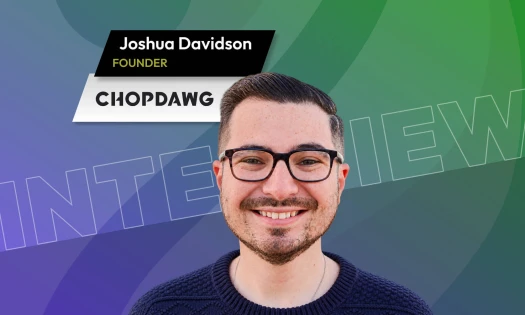
Chop Dawg, an app company that has launched 500+ apps since 2009, worked with the city on a unified mobile app for its more than 42,000 residents.
Products built by Chop Dawg are used by more than one billion people worldwide.
Peachtree Corners is Gwinnett County’s largest city and home to Curiosity Lab, where connected mobility and other technologies are tested, which made it an unusually well-informed partner for smart city app development.
For a government app development company, the question isn't how many features can fit into an app. It’s what residents need to do, what staff need to manage, and what has to happen between those two sides.
Where Should Government App Design Start?
Every Chop Dawg product starts with user personas. For a city app, that means designing for the least tech-savvy resident who might use it.
From there, the work moves into black-and-white wireframes and a clickable, non-functional prototype that the city's department heads could try before development began, the approach Chop Dawg uses on every build.
I like a simple test:
- Hand the app to someone who has never seen it.
- Say nothing.
- Watch.
If that person needs a tutorial to find a basic function, the interface is asking too much.
For Peachtree Corners, the “asking too much” came in the form of two-factor authentication, advanced password protocols, and encrypted data storage.
Development and production environments stayed separate, and planning used schema-only exports instead of live resident records.
The city kept control of accounts, credentials, and environments, while role-based permissions determined who could alter sensitive information.
Certifications, audits, and other outside requirements also had to be factored into the schedule before a release date was set.
Then there was the content.
The team had to account for the fact that residents think about problems, while city departments are organized around functions.
Residents didn’t need to know who approved a notice or which department posted it; the app still had to make that process work.
Apple and Google also had requirements for location features, notifications, and third-party integrations.
But the city also had to get the word out via city communications, local media, and social channels to support the release.
Louis Svehla, communications director at the City of Peachtree Corners, described the city’s relationship with Chop Dawg
"We’ve found an open and honest company in Chop Dawg. When seeking a developer, it’s crucial to find someone who is invested, as their brand is equally at stake. We're not just selling a product; we're trying to reach our residents."
Organizations that have trusted Chop Dawg include NASA, the NFL, Siemens, the U.S. Navy, Hilton, Six Flags, Wawa, Jefferson Health, the State of Georgia, and the City of Peachtree Corners.
Chop Dawg's public-sector work also includes DiverseCity, the youth sports and recreation app built with previous White House administrations that served 250,000 kids in 2023 alone, and the City of Springboro, Ohio's tax filing platform.
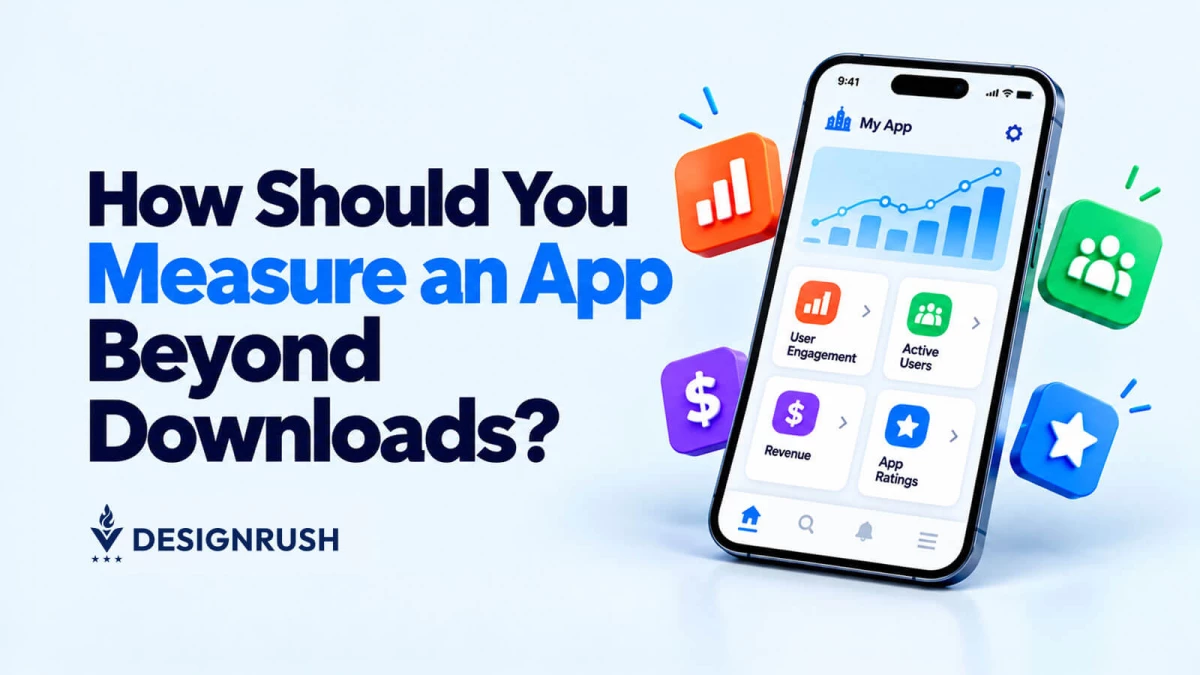
How Do You Measure a Government App Beyond Downloads?
According to the city, the app Chop Dawg built generated thousands of downloads in its first month, alongside more resident issue reporting, quicker resolutions, and more community-submitted events.
A real-time social feed also gave residents another reason to return to the app.
Local businesses gained visibility through in-app listings, sponsor placements, and a real-time map of attractions.
After launch, a public-sector leader, or any firm offering municipal app development services, can look at three areas:
- Resident use
- Staff follow-through
- Economic activity
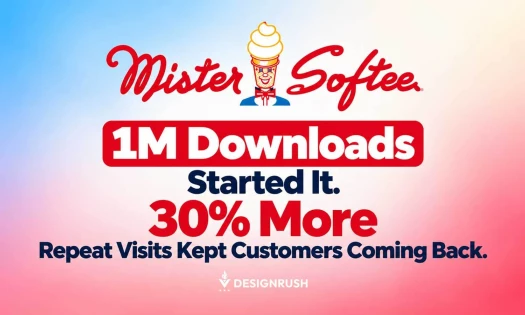
Downloads sit at the top of the funnel, and repeat use shows the app has a reason to stay on someone’s phone, the same pattern Chop Dawg saw when the Mister Softee app passed 1,000,000 downloads and repeat visits rose 30%.
The three areas break down into questions a city team can answer every month:
- Can a resident complete a task without help?
- Does the report reach the right person?
- Is staff information kept current?
- What gives residents a reason to return next week?
Let residents start with the problem they need to solve, instead of asking them to figure out which city department handles it.
Smart infrastructure can support the city’s long-term technology strategy, while a well-run civic app handles the everyday interactions that make that strategy useful to the people living there.