
A mobile app project can look successful on paper until the budget starts moving, deadlines slip, and the team that sold the pitch is nowhere to be found.
That’s where many app projects go sideways, despite seeming polished and impressive, and despite reasonable pricing.
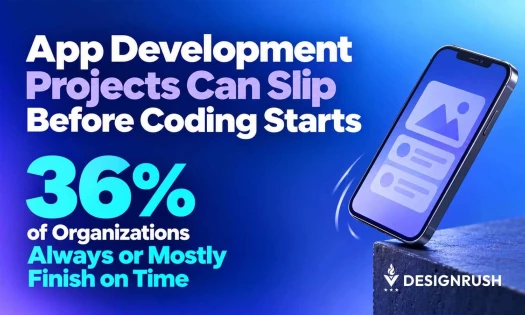
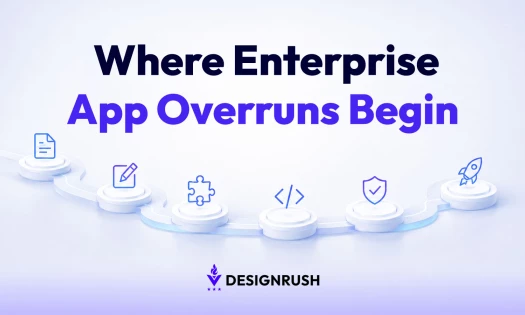
Cost overruns, missed deadlines, and unclear expectations remain common reasons projects struggle.
The Project Management Institute’s 2026 Pulse of the Profession report found that nearly one-third of complex projects fail to achieve their intended benefits, showing how easily technology initiatives can lose direction during execution.
I've been building apps and digital products through Chop Dawg since launching in 2009, shipping more than 500 products for startups, enterprises, governments, and universities.
Today, as we enter our 18th year, products built by Chop Dawg are used by more than one billion people worldwide.
The biggest lesson I’ve learned is that choosing an app developer is about understanding how they work before the project begins.
Based on this, these are the nine questions I recommend asking before getting started:
1. Who Will Build My App?
Ask if the agency has its own designers and developers, and whether work will be passed to subcontractors or not.
There is a reason to care, as nearly half of top-performing companies plan to increase insourcing of strategic technology expertise, compared with 37% of other organizations, according to McKinsey's Global Tech Agenda 2026.
If the best companies want expertise in-house, the agency you hire should already be built that way
The people presenting the pitch should be the ones responsible for delivering the product, and a team’s structure can tell you more about the experience you’ll have than the logos.
One way to verify that is to ask who you'll actually be working with once the project begins.
View this post on Instagram
Chop Dawg, for example, is U.S.-headquartered, U.S.-led, with a worldwide in-house design and development team.
This means you work directly with the people creating your product, without middlemen.
2. What Does the Proposal Include Before I Commit Budget?
A proposal should answer more than “how much will this cost?”
Before approving, ask about:
- Details around timelines
- Core features
- Competitor analysis
- Assumptions
- Budget structure
The more questions answered before development begins, the fewer surprises appear later.
A strong proposal creates a shared understanding of what’s being built and why.
This is important because keeping proposals clear helps avoid projects from running over budget or over schedule, something we at Chop Dawg take great pride in achieving throughout all our projects in 2025.
3. What Happens if Something Changes During Development?
Every software project includes changes, from new ideas to clearer requirements to fluctuating market conditions.
New capabilities like AI are exactly the kind of change that shows up mid-project in 2026, and 77% of engineering leaders already call AI integration a significant or moderate challenge, according to Gartner.
That is exactly why the discussion should not stop at price.
Ask how changes affect scope, timeline, and budget before any work begins, and whether the contract protects you when they do.
View this post on Instagram
Fixed monthly budgets offer more predictability than open-ended hourly billing…but the contract language matters more than the pricing model alone.
4. Who Owns the Code, Designs, and Intellectual Property?
Ownership terms should be clear before development starts. Ask who owns the final product, when ownership transfers, and what protections are included in the agreement.
This is one area where assumptions can create problems later. A contract should clearly cover intellectual property, NDAs, and secure development practices so everyone understands their rights from the start.
At Chop Dawg, the people the company builds with are called partners, not clients, and every partner owns their code and intellectual property from day one, giving them full control of the products they’ve invested in creating.
5. What Does Communication Look Like Every Week?
Projects shouldn’t disappear into black boxes once contracts are signed.
- Which communication channels will be available?
- How often do updates happen?
- Who has direct access to the team?
Daily updates and regular video calls should be table stakes, not a premium tier.
View this post on Instagram
For this reason, Chop Dawg partners have access to tools including Slack, Figma, GitHub, Jira, and Confluence to see design progress, development work, and project updates.
6. What Happens After Launch?
What about bug fixes, monitoring, maintenance, and ongoing support? A low initial quote can quickly become bloated if post-launch issues are ignored.
Every Chop Dawg engagement includes a Bug and Maintenance Warranty with a complimentary period for post-launch bug fixes and monitoring.
7. How Do You Prove Your Track Record?
Ask how long clients typically stay, whether the agency has worked on similar products, and what previous clients say about the process.
Those details often reveal more than a collection of screenshots.
Gartner’s 2025 Magic Quadrant for Custom Software Development Services evaluates providers based on Ability to Execute and Completeness of Vision, showing that delivery experience is a major part of how software companies are assessed.
At Chop Dawg, that experience comes from working with startups, enterprises, governments, and universities since the company's launch in 2009.
The company has maintained a 92% client-return rate and earned more than 300 five-star reviews across directories including Clutch, GoodFirms, G2, Google, and DesignRush.
8. Have You Worked in My Industry?
Experience matters when a project involves regulations, specialized users, or complex workflows.
And not all patterns transfer between industries.
For example, Chop Dawg built HIPAA-compliant prescription management software for The Art of Medicine and GDPR-compliant systems for Zuma, a global luxury restaurant group.
View this post on Instagram
9. What Happens When We Disagree?
This is the fastest way to determine a company’s maturity.
No project goes exactly as planned. Priorities change, teams disagree, and decisions need to be made.
Because of this, ask how the agency handles challenges, communicates concerns, and keeps the project moving when expectations differ.
Before Signing With an App Development Agency
A strong development partner is defined by having a process for handling problems.
Before signing a contract, take time to review the details that are easy to overlook during the sales process:
- Speak with the actual project team
- Review the proposal line by line
- Understand how changes are handled
- Confirm ownership terms
- Ask about communication routines
- Plan for after launch
- Look beyond the portfolio
The right questions reveal how a team approaches planning, communication, ownership, and challenges before they become expensive problems.