
Key Takeaways:
- The famous "You Wouldn’t Steal a Car" campaign may have unknowingly used a pirated font, according to internet sleuths.
- Original font designer Just van Rossum found the situation amusing, not offensive.
- The incident highlights the importance of proper licensing — a lesson design agencies should always keep in mind.
It may just turn out that the iconic anti-piracy commercial that warned millions against theft may have been guilty of its own kind of piracy.
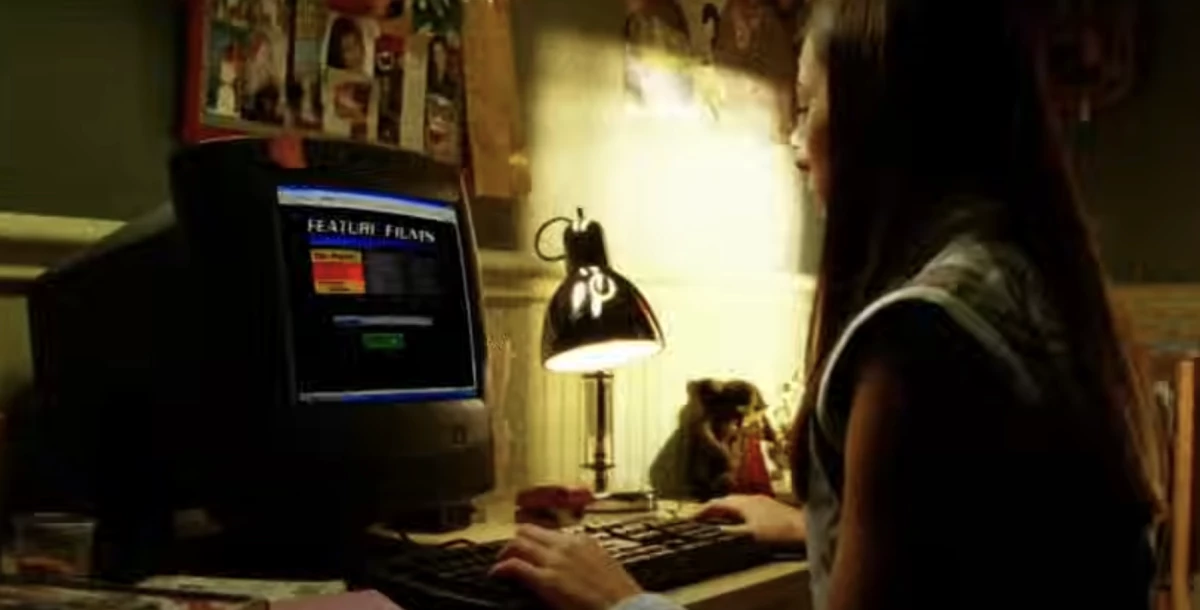
The famous "You Wouldn’t Steal a Car" public service announcement from 2004, shown in cinemas and DVDs worldwide, is now facing scrutiny after social media users discovered it likely used a pirated typeface.
Font enthusiast @rib uncovered that instead of using the licensed FF Confidential font by designer Just van Rossum, the campaign embedded a pirated clone called XBAND-Rough.
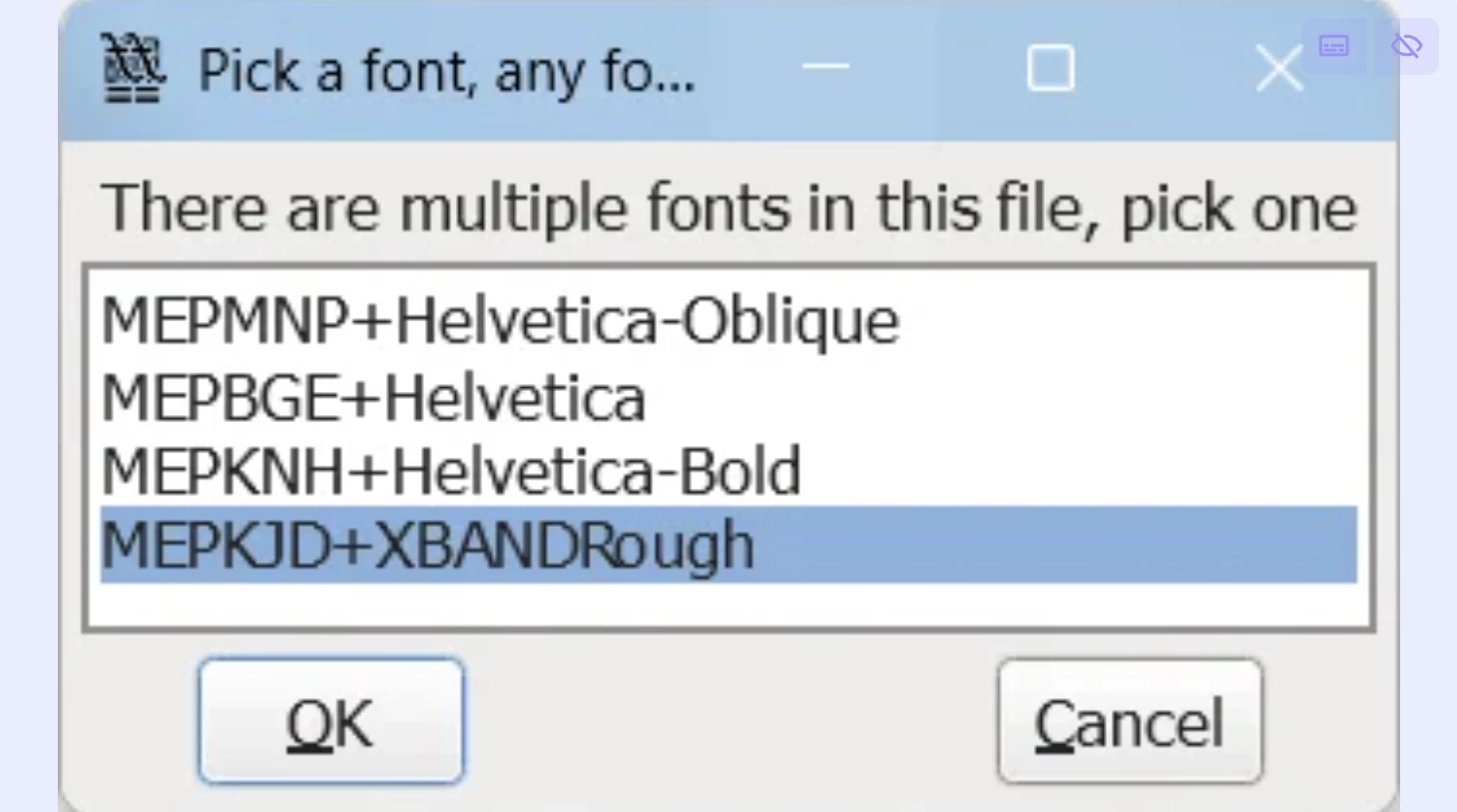
Sky News independently verified these findings by analyzing archived PDFs from the campaign.
"I knew my font was used for the campaign and that a pirated clone named XBand-Rough existed," Van Rossum told TorrentFreak.
"I did not know that the campaign used XBand-Rough and not FF Confidential, though. So this fact is new to me, and I find it hilarious,” he added.
There’s no evidence that the original campaign creators knowingly used the pirated font, especially as illegal copies of XBAND-Rough were widely circulated at the time.
Remember the anti-Piracy videos from the early 2000s that started with "You Wouldn’t Steal a Car"?https://t.co/Z2tKL1y0or
— The Lunduke Journal (@LundukeJournal) April 23, 2025
Well it turns out that both the music *and* the font used in those videos? Pirated.
The music was composed by Melchior Rietveldt... who was not paid… pic.twitter.com/xNfVh4BloL
FACT, the U.K.’s anti-piracy agency behind the ad, declined to comment, noting the campaign predated its current team.
Additionally, the Motion Picture Association and the Intellectual Property Office of Singapore did not immediately respond.
The ironic yet hilarious misstep is a lesson for everyone on why originality and careful licensing are critical.
This is particularly true for design agencies tasked with crafting creative efforts that aim to build trust and authenticity.
Every visual element — from fonts to stock images — must be vetted with the same rigor as the message itself to maintain credibility and avoid undermining the brand.
The Spot That Became a Meme
First released in 2004, the "You Wouldn’t Steal a Car" commercial became an instant pop culture artifact.
With its intense music and stern messaging, it warned viewers against pirating films by comparing it to stealing physical goods:
"You wouldn't steal a car. You wouldn't steal a handbag. You wouldn't steal a television. You wouldn't steal a movie."
"Downloading pirated films is stealing. Stealing is against the law. Piracy. It's a crime."
Over the years, the ad has been widely parodied and referenced online.
Today, typing the campaign’s original URL redirects users to a famous spoof featured in "The IT Crowd" sitcom, showing just how much it has become part of internet folklore.
Even if the TV version of the ad might not have used properly licensed assets, something that remains unconfirmed.
The discovery of its promotional videos potentially using a pirated font only deepens the irony of an ad that couldn't outrun the very problem it warned against.
Meanwhile, PETA recently launched its "Dismember It Yourself," calling for ethical fashion with a DIY Hermès Birkin Bag video.