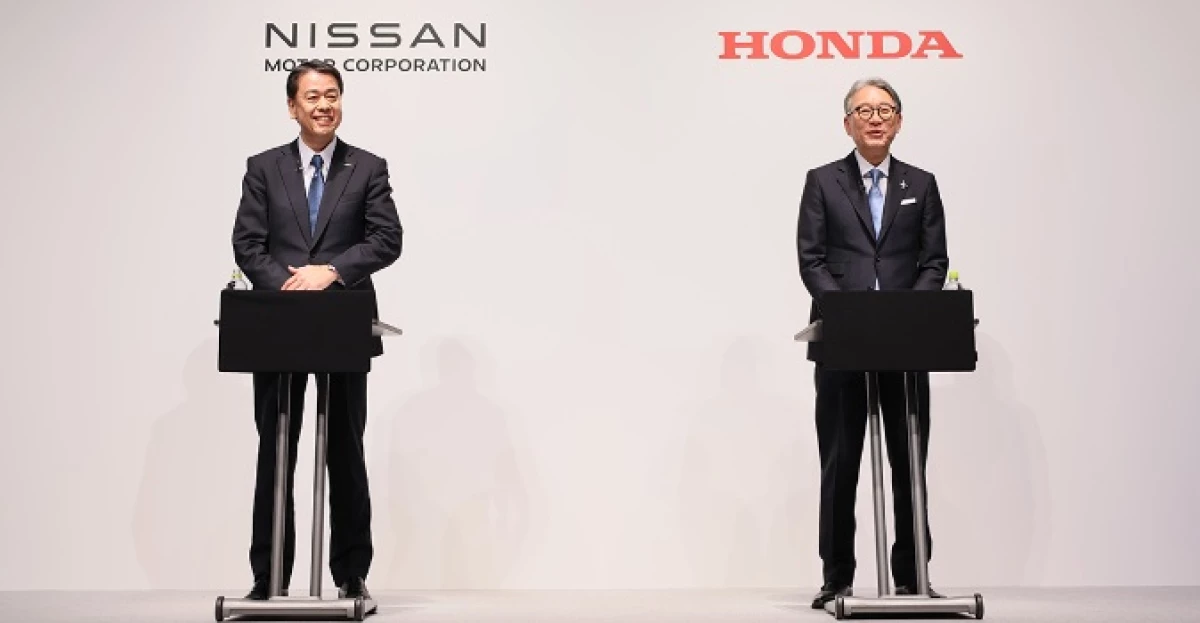

The automotive world is buzzing with talk of a potential merger between two iconic Japanese automakers, Honda and Nissan.
However, despite the hype, analysts remain skeptical, and insiders are left scratching their heads, unsure of what this merger would really mean for the future of the industry.
Even Honda CEO Toshihiro Mibe recently struggled to articulate why a merger with renowned Japanese car manufacturer Nissan would be a smart, strategic move for the company.
Mibe had a too-candid moment with the press — when asked why Nissan would make a good business partner for its long-time competitor Honda, he stated, “That’s a difficult one,” after failing to accurately communicate a particular reason.
Albeit met with initial excitement, the proposed merger started raising questions among critics who are now wondering whether the union is a smart strategy or a risky gamble.
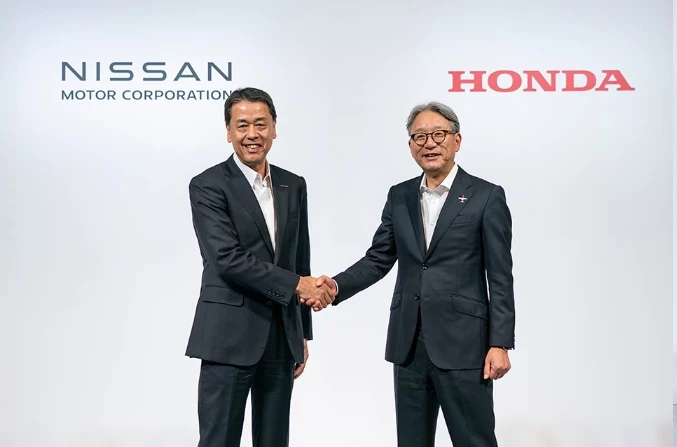
The hesitation comes as no surprise, considering the proposed partnership would pair financially strong Honda with less-stable Nissan, who recently reported declining financial health.
While Honda insists that the merger is “not a rescue,” many see it as a strategic move to stabilize Nissan and shield Japan's automotive industry from foreign influence i.e., prevent a takeover from Taiwan’s Foxconn.
There is also speculation that the Japanese Ministry of Economy, Trade and Industry (METI) endorsed the merger to undermine the possibility of Foxconn acquiring the struggling automaker.
If the Taiwan company were to acquire Nissan, it would no doubt cause further political tension between Taiwan and Japan, but Mibe’s hesitancy could be something far simpler.
From a business perspective, a better merger partner for Honda would be an entity that is in a healthier financial situation than Nissan currently finds itself, which might be forefront of the mind of the Honda CEO.
Potential Benefits of the Nissan-Honda Merger
If the merger goes through, it could open the door to some exciting opportunities.
With its established presence in the EV market, Nissan can significantly contribute, especially considering Honda has failed to capture the momentum after its fallout with General Motors.
On the other hand, Honda could complement the joint capacity with its hybrid technology expertise, giving both companies a stronger foothold in the booming electric vertical.
However, the overlap between the long-standing competitors might make the potential benefits feel more like a challenge than an advantage.
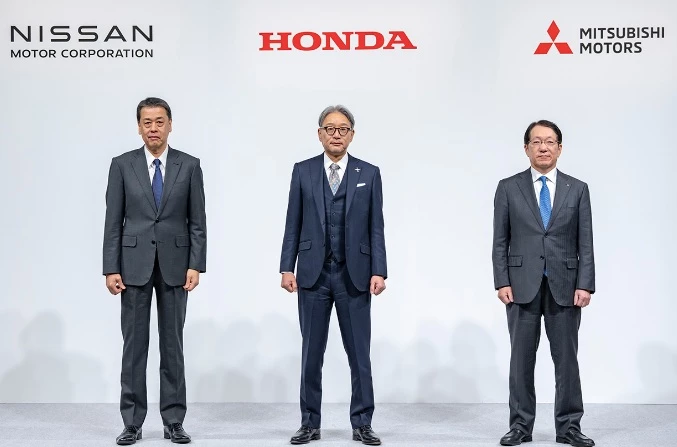
Business consulting firms will play a key role in evaluating the risks and benefits.
Investors have also been fairly critical of the supposed merger, with Nissan’s stakeholders sharing concerns that they would own lower stakes in the proposed joint company.
The merger, set for 2026, gives rivals like Volkswagen, Toyota, and Chinese EV manufacturers plenty of time to widen the gap, casting further doubt on any potential benefits beyond protecting Japan’s automotive market.
Insights surrounding the Honda-Nissan deal have been swirling since the merger was announced, with uncertainty building even greater anticipation for the final outcome.