
Enterprise CMS: Key Findings
- Outdated CMS platforms create hidden bottlenecks, slowing launches, blocking personalization, and making marketing dependent on engineering.
- Speed and governance can coexist when content workflows, permissions, and brand systems are designed for both agility and oversight from the start.
- Experimentation is becoming a core enterprise skill, turning websites from static brochures into living platforms that evolve with user behavior and technology shifts.
A lot of enterprise websites are still running on the same CMS they picked years ago, back when marketing looked very different.
Since then, expectations have skyrocketed.
Teams are moving faster, making decisions with real-time data, and personalizing every touchpoint. But many are still stuck wrestling with the limitations of outdated platforms.
Editor's Note: This is a sponsored article created in partnership with Clique Studios.
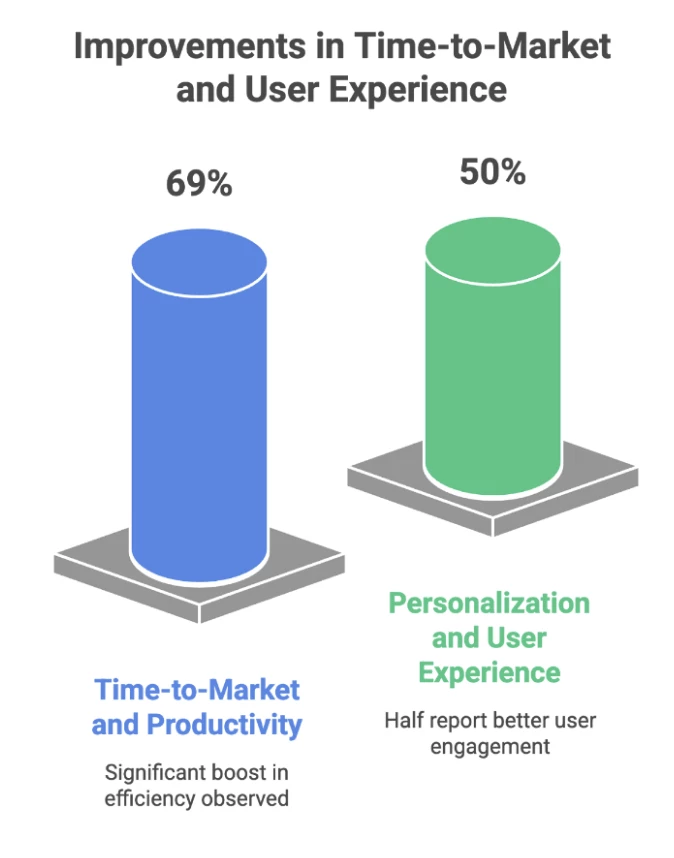
And the numbers back it up: companies that move to modern CMS architectures, like headless or cloud-native systems, see a 69% boost in time-to-market and productivity.
And more than half report better personalization and user experience, according to Storyblok.
That gap between what’s possible and what’s practical is where the next big wins are hiding.
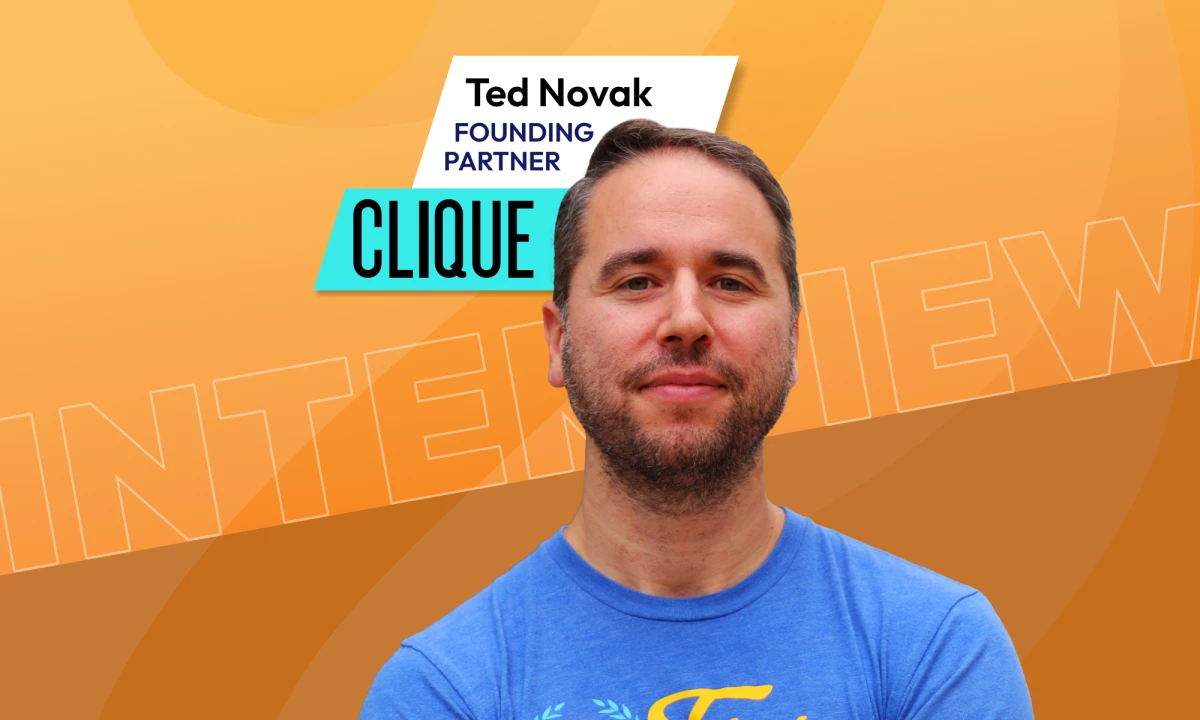
In this DesignRush exclusive interview, Ted Novak, partner & managing director at Clique Studios, breaks down how Webflow Enterprise is helping organizations replace bottlenecks with speed.
He also explains how it empowers marketing without sacrificing governance and turns experimentation into a habit.

Who is Ted Novak?
Ted Novak is the founding partner and managing director at Clique Studios, where he helps organizations grow by improving how they present themselves online. He guides clients in using design and technology to simplify processes, enhance user experience, and introduce innovative solutions that drive business impact.
Recognize the Warning Signs Before Your CMS Holds You Back
When your CMS starts dragging its feet, it’s a sign that your team’s way of working and the tools you’re using are out of step.
And if you don’t address it, those little inefficiencies stack up, turning into missed opportunities and watered-down ideas.
Novak says most enterprise teams notice the trouble in three main areas:
“It usually comes down to three things: bugs, bottlenecks, and big updates on the horizon. Many enterprise sites are still running on platforms chosen three or more years ago, and the world has moved on.”
In many cases, the problem isn’t that the CMS is “bad.” It’s that it was built for a different time.
Often, it was picked to suit engineering preferences instead of marketing’s need to move fast.
This can mean even the smallest updates require a developer’s help, or the opposite problem: a team buried in the upkeep of an open-source system they have to manage themselves.
Webflow Enterprise, Novak says, offers an alternative approach.
“Webflow’s visual development, Components, and Libraries let marketers build and ship while staying on brand, with far more real-world flexibility than ‘flexible templates’ elsewhere.”
Empower Marketing Teams Without Losing Governance
Speed without control can turn into chaos, but too much control at the expense of speed can grind momentum to a halt.
The real win is finding governance that protects consistency while still giving teams room to create. Novak says older CMS platforms often stumble here.
“Permission models in older CMSs tend to be either too rigid (which blocks marketing) or too loose (which erodes consistency). As more people contribute, the problems get louder,” he says.
And it’s not just about who has access. It’s about how tangled everything is behind the scenes.
When content, design, and deployment are locked together, every marketing idea becomes an engineering ticket.
This means slower campaigns, personalization plans pushed aside, and experiments that never get off the ground.
“While it’s possible to achieve these with a combination of other platforms on the market,” Novak says, “Webflow Enterprise makes it easy as their CMS was built specifically to solve this.”
Make Experimentation a Standard Practice
Enterprises often approach a CMS redesign as if they’re building a house they’ll live in for years, fully planned before anyone moves in.
But Novak says this mindset holds teams back.
“The winning approach is to define the foundations — content types, brand system, and component library — and then equip teams to create as they go,” he says.
Modern stacks make it possible to ship variants, test them, and scale the winners without the historical cost and complexity.
This means experimentation doesn’t have to be risky or reserved for special projects.
“Experimentation and governance are what Webflow specifically enables and what they are continuing to innovate as a part of their roadmap,” Novak adds.
Build Your CMS Around User Experience
Too many enterprise CMS projects get bogged down in features, integrations, and compliance checklists while forgetting there’s an actual person on the other side of the screen.
“Enterprise conversations tend to orbit tools, taxonomies, permissions, and security… However, it’s easy to lose sight of the human on the other side of the screen,” Novak says.
A CMS should be more than just an operational backbone. It should actively help deliver a better user experience.
And that’s not just about today’s audiences.
It also means preparing for new ones, like large language models that surface content through AI assistants.
Novak says that’s an emerging factor enterprises can’t afford to ignore.
Remove Friction to Unlock What’s Possible
When the bottlenecks are gone, teams start aiming higher.
Novak points to a recent client that made the leap from WordPress to Webflow Enterprise:
“Time-to-update dropped from days and weeks to hours — and often minutes. We’re now getting into optimization, which will unlock richer behavioral insights via Webflow Optimize,” he says.
That kind of transformation flips the mindset from “what can we manage?” to “what can we create?”
And that’s when real innovation kicks in.
Speed and Control Can Coexist
For years, enterprise leaders were told they had to choose between agility and oversight.
“Marketing wants autonomy; security wants control. Webflow Enterprise proves both can be true with visual-first creation on top of enterprise-grade security, SSO, auditability, SLAs, and support that procurement is comfortable with,” Novak says.
For agencies like Clique Studio, the process starts with governance before any design work begins.
That early structure, Novak says, “builds trust in the design and build process so we can focus on the user experience of their target audiences.”
The Future of Enterprise CMS Is Creative
The next big leap for enterprise websites may not come from new technology alone, but from teams regaining their creative momentum.
When publishing and iteration become seamless, work stops feeling like a series of hurdles and starts becoming an ongoing, evolving process.
Websites shift from static digital brochures to living experiences that adapt and grow.
As CMS platforms continue to improve experimentation, governance, and integration capabilities, the gap between what’s possible and what’s practical will likely keep shrinking.
This means opening the door to faster launches, richer personalization, and a culture where testing is second nature.
For enterprise leaders, the real challenge isn’t whether modern architecture can deliver. It’s whether their teams are ready to operate at the speed it enables.
Enterprise CMS FAQs
How do I know when it’s time to replace my enterprise CMS?
If routine updates take days, require developer intervention, or break workflows, your CMS is slowing you down. Modern platforms should enable real-time changes without sacrificing governance.
What’s the difference between agility and governance in CMS platforms?
Agility lets marketing teams launch and iterate quickly, while governance ensures brand consistency, compliance, and security. The right platform balances both instead of forcing a trade-off.
Why is experimentation important for enterprise websites?
Experimentation turns your site into a living platform that constantly improves. By testing small changes like layouts or messaging, you can increase engagement and conversions over time.
How does CMS choice affect user experience?
A CMS influences how fast you can adapt to user needs, fix issues, and deliver personalization. An outdated system often creates friction that impacts the end-user experience.
What should enterprises consider for emerging audiences like AI assistants?
Prepare your content so AI can interpret and surface it effectively. This means structured data, clear metadata, and a focus on clarity over jargon.