
Each year, nearly 30,000 new products are introduced to the market, yet 95% of them fail.
What were the reasons behind this outcome? MIT research found that many companies need more time to validate their ideas, leading to costly mistakes fully.
But launching new software doesn’t have to be complicated.
By taking a structured, step-by-step approach — starting with a proof of concept (PoC), then a prototype, and then a minimum viable product (MVP) — businesses can reduce risks, save resources, and ensure their product meets real market needs.
So says Keith Shields, the CEO of software development firm Designli. In our interview, he explains how adopting this methodical approach can help companies avoid common product launch pitfalls and set themselves up for success.

Who Is Keith Shields?
Keith Shields is the CEO and co-founder of Designli, a leading software development firm. With over 20 years of experience in the tech industry, Keith has helped businesses successfully launch software products. Under his leadership, Designli has earned a reputation for delivering high-quality, scalable solutions and has received over 200 five-star reviews.
While Designli has seen many ways in which businesses struggle to launch their software, some common pitfalls have been observed:
- Overbuilding before validation: Adding unnecessary features upfront wastes time and resources.
- Ignoring user feedback: Gathering user feedback through beta testing is crucial to smoothing any kinks.
- Skipping scalability: Designing software that can't grow with the business creates long-term challenges.
However, Keith says one big pitfall stands out from the rest: not fully understanding the target audience.
“If you don’t know your users’ needs and behaviors, you risk building something they won’t use. Another is poor scope definition. Without a clear roadmap, projects can easily spiral out of control.
Lastly, many businesses need to pay more attention to the importance of marketing. A successful product isn’t just about great software; it’s about getting it into the hands of the right users,” he adds.
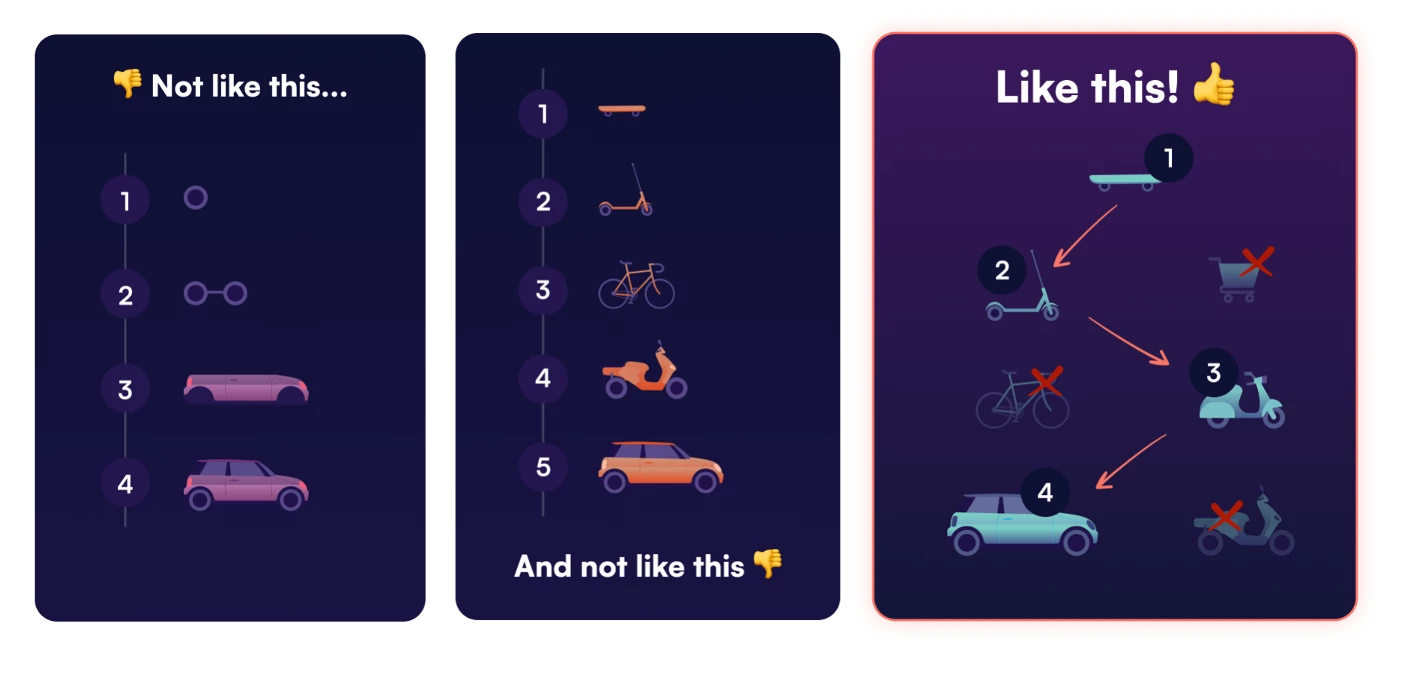
While product development terms are often misunderstood and used interchangeably, Designli emphasizes progressing sequentially when developing an idea: PoC, prototype, and then MVP.
PoC, Prototype, or MVP: Which Is Best?
Keith says understanding the distinction between the three is crucial as each one is dependent on where you are on your product development journey:
“If you’re still at the ‘Is this even possible?’ stage, a PoC is your best bet. It’s an internal feasibility test to validate whether your idea is worth pursuing. Think of it as laying the foundation.”
A prototype comes next when you’re confident that the concept works and the focus shifts to explore design and usability. Building a prototype allows you to visualize the user interface and experience while gathering valuable feedback.
“Finally, if you’re ready to test your idea in the real world, an MVP gets the basic functionality into the hands of actual users. It’s about testing demand and getting actionable data without overbuilding upfront,” he adds.
Mastering this process minimizes risks and ensures that each phase builds upon the last, preventing any costly missteps later. This is especially crucial for startups: if the product fails, so does the company.
According to MIT, 92% of startups fold during their first three years because they do not have the right approach during product development. Only a mere 5% survive because they consider their customers’ needs when launching their products.
The next step is figuring out which features matter most for your MVP, so you can focus on delivering real value from the start.
“Start by identifying your core value proposition. What’s the single most important problem your software is solving? That’s your North Star.
From there, map out the features that are absolutely necessary to deliver on that promise. Everything else is a ‘nice to have’ and can be deferred to future iterations,” says Keith.
Designli’s approach involves the MoSCoW method: must-haves, should-haves, could-haves, and won’t-haves, to keep the development process focused and aligned with the budget and timeline.
Watch our video for a short overview of designing an attention-grabbing product:
Keith says there are several steps businesses can take to validate their product ideas before investing significant resources into development:
- Conduct market research to understand your target audience, their pain points, and how your product stands out.
- Build a PoC to test feasibility and refine your concept before development begins.
- Create a prototype to gather feedback from potential users and iterate on the design and usability.
- Run surveys or focus groups to engage directly with your audience to validate demand and refine your offering.
For example, Designli used a PoC to align the concept of the healthcare application AskIris with real-life user behavior, which later informed the MVP design. Taking steps like these can save time, money, and headaches.
Streamlining Launches with Agile and Strategic Partnerships
Furthermore, a stress-free launch can be ensured via an agile software development methodology, breaking development into manageable sprints.
Keith says doing so keeps the team aligned, allows for regular check-ins, and makes it easier to pivot if needed. He adds that prioritization is also key.
“Focus on building only the features that are essential for launch. Trying to do too much too soon leads to stress, delays, and feature bloat.”
Once this is done, you can choose a reliable development partner to guide you through the process and handle the technical side of things, allowing you to focus on your business goals. While internal teams are great, external partners bring 100% dedication and focus.
“A great development partner brings objectivity and specialized expertise. They’ve seen what works (and what doesn’t) across multiple industries, which gives them a broader perspective. Plus, they often have refined processes, like Agile and Scrum, to keep projects on track,” says Keith.
And don’t worry about launching quickly. Keith says launching quickly doesn’t equate to cutting corners — it’s about focusing on essentials.
“Build a strong MVP that addresses your core value proposition, and use modular architecture to make future scalability easier.”
Designli did this when AskIris was being developed, ensuring the MVP was simple yet flexible.
“The customizable bin system allowed it to adapt to unique healthcare settings, making the software scalable as the business grew,” Keith explains.
Lastly, getting your marketing and launch strategies in place should occur well before launch. This is done by defining your audience, creating a strong value proposition, and building a campaign that integrates online and offline channels.
“Soft launches or beta testing can also be a goldmine for gathering early feedback and creating buzz. At Designli, we work with clients to align their development and marketing timelines, ensuring a seamless launch,” says Keith.
By following a methodical approach to product design and development, businesses can launch their products at scale, sidestepping the costly mistakes that lead to failure.