
Key Takeaways:
- 45% of leaders say strategy gaps and security risks now match legacy tech as barriers to progress.
- Goji Labs uses five clear steps to align teams and build scalable products.
- A strong product strategy cuts risk, saves time, and improves exit value.
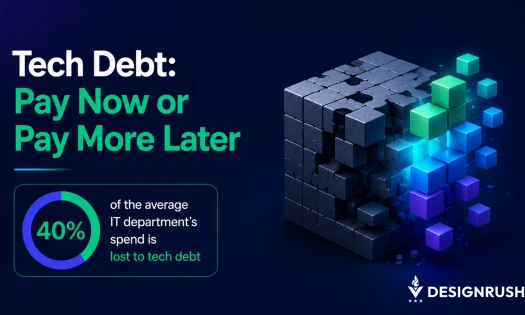
Legacy systems and technical debt are no longer the only barriers to digital progress.
Today, they’re on equal footing with the lack of a clear transformation strategy and growing security concerns, according to Deloitte’s 2024 report on digital transformation investments.
For private equity firms, the pattern is all too familiar: money wasted, timelines blown, and digital bets that don’t pay off.
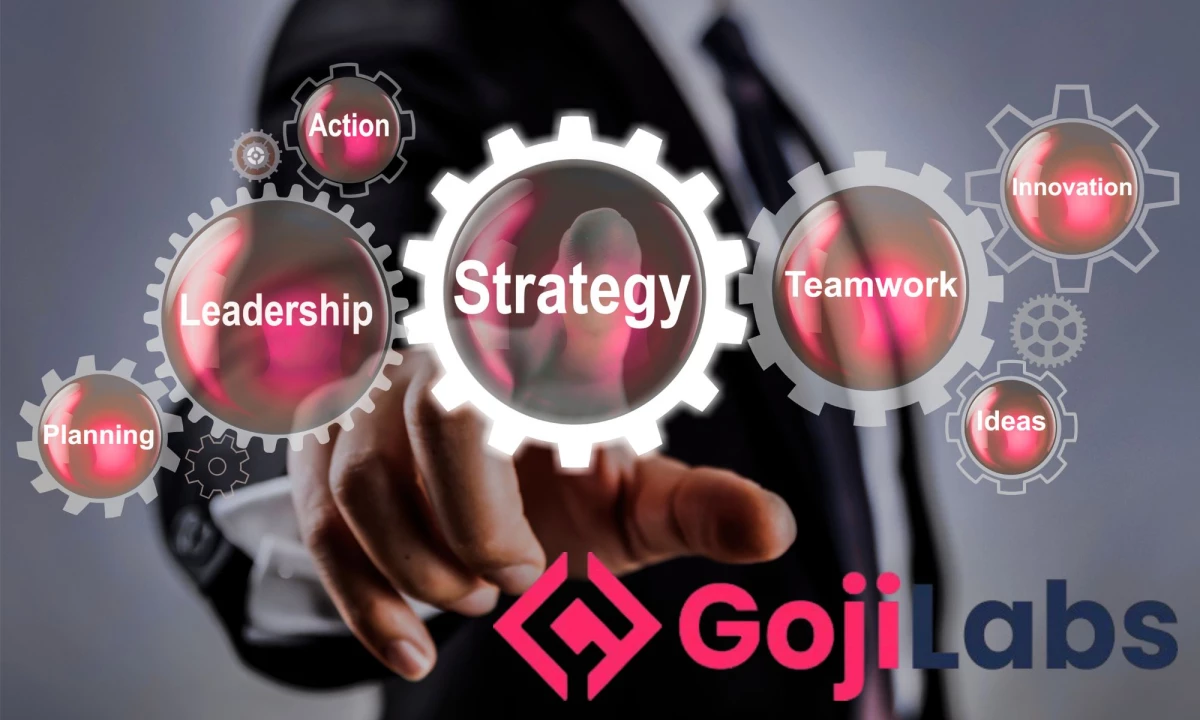
A strong product strategy framework changes that. It helps de-risk product development, align teams around clear goals, and lays the groundwork for scalable growth.
-content-large-webp.webp "Product Strategy Framework")
According to Goji Labs, which helps private equity firms put these frameworks in place early, there are five key components of a product strategy framework:
- Market and user research
- Value proposition and differentiation
- Roadmapping
- Prototyping and testing
- Technical architecture
The lack of a clear product strategy framework opens the door to decisions based on assumptions, stakeholder misalignment, and technical debt from poor planning.
Editor’s note: This is a sponsored article created in partnership with Goji Labs.
For example, development teams would build what they think users want, launching products with unnecessary features. These steps typically resulted in wasted time, budget, and a product that underperformed.
But with a framework, you’ll start with discovery, talk to users, and test ideas through prototypes — ensuring each decision is based on real-world data.
When it comes to stakeholders, there can be many conflicting ideas, said David Barlev, founder and CEO of Goji Labs.
“Let’s face it: PE wants results. Founders want vision. Operations want efficiency. But without a central product strategy, everyone ends up pulling in different directions.”
If your business outcomes, user needs, and technical constraints are not aligned, different priorities, scope creep, and decision paralysis can muddy the water.
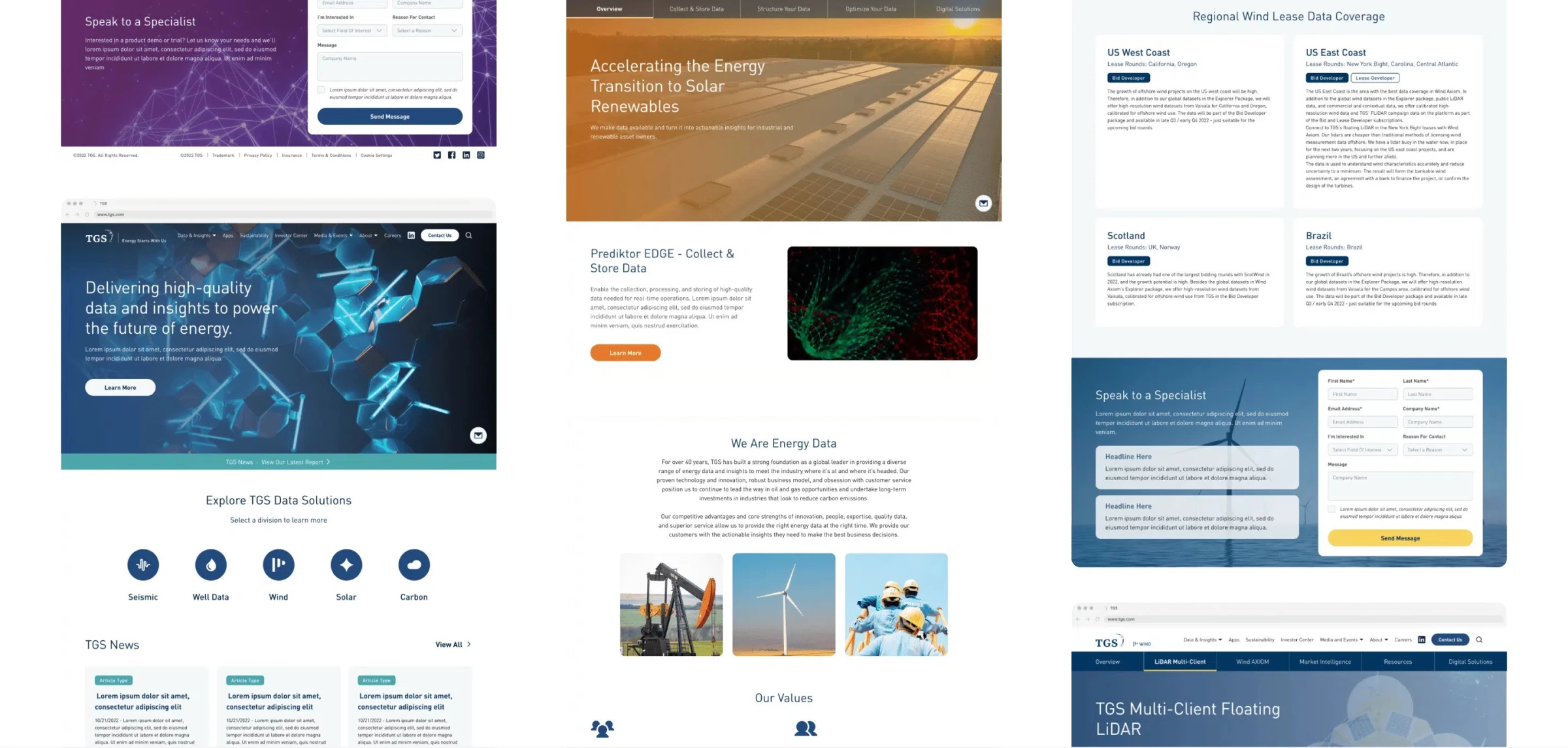
Goji Labs, for example, steps in as a strategic partner to help align leadership and tech teams with proven frameworks built on successful product launches.
-content-large-webp.webp "Strategy for TGS")
Its framework helped TGS improve engagement by 6% and increase Seismic page views by 405% through a modular design system, clearer navigation, and a tailored user experience based on user insights.
Likewise, technical debt is a deathtrap. While it can be tempting to build fast and fix later, long-term performance can be hampered by slow growth, higher costs, and lower exit multiples.
The answer? Plan for scalability from day one.
“Technical architecture isn’t an afterthought — it’s part of the strategy,” Barlev added.
Building a Risk-Free Product Strategy
So, what does a de-risked product strategy framework look like? The details vary by product and business, but most solid frameworks share a few key building blocks:
1. Market and User Research
Before writing code, you need to understand your users and your market.
- Who are the users?
- What pain points are they trying to solve?
- What alternatives are they already using?
- Where’s the whitespace?
2. Value Proposition & Differentiation
Ask yourself: Why does your product matter? Why now? And why you?
With a strong framework, you can define the core value proposition, target segments, key differentiators, and user journey and behavior triggers.
View it as the DNA of product direction.
3. Roadmapping Within a Product Strategy Framework
Create a phased roadmap to determine the scope through:
- MVP development: What’s the smallest version that solves the main user problem?
- Version 1: What features help keep users and drive revenue?
- Version 2 and beyond: What helps the business grow?
“Each feature should earn its way in — with a clear business case,” Barlev said.
4. Prototyping and Testing
Instead of jumping straight into development, you build quick prototypes to test the user experience and core ideas early.
It’s a fast way to catch issues early, validate what works, and avoid costly mistakes later.
5. Technical Architecture
A solid framework includes:
- Infrastructure recommendations
- Scalability considerations
- Tech stack selection
- Integration planning
Technical oversight is the final piece. A strong product vision won’t go far if the build can’t scale with the business.
“Digital products can unlock massive value — but only if they’re built with purpose. PE firms don’t need to avoid innovation. They need to structure it.
With the right product strategy framework, you can move quickly, invest wisely, and scale confidently,” Barlev added.
In practice, a strong product strategy framework sets up PE-backed companies for measurable wins:
- Faster time-to-market with focused priorities and fewer false starts
- Reduced risk through early testing and real-world validation
- Scalable growth built on solid technical foundations
- Higher exit potential thanks to stronger product-market fit and cleaner diligence
When strategy leads, execution follows — and results speak for themselves.
For founders, this approach means fewer wasted sprints, stronger investor confidence, and products that actually move the needle — principles Goji Labs has been perfecting for the past decade.