
Key Takeaways:
- Software projects often stall due to legacy infrastructure, unstable codebases, or team turnover.
- Application triage provides a structured process for recovering and stabilizing systems.
- Senior-led engineering combined with AI tools can reduce recovery time and technical debt.
When a software project begins to break down, whether due to bugs, instability, or the sudden departure of a development team, it can feel like the only path forward is to start from scratch.
But that’s rarely the most strategic (or affordable) option.
Application triage and rescue offers an alternative: a structured process to assess, stabilize, and recover existing systems, preserving what works, modernizing what is outdated, and setting teams back on track.
Editor's Note: This is a sponsored article created in partnership with Ollon.
Why Projects Stall
Modern software systems are built in fast-moving environments, often across remote teams, multiple vendors, and legacy infrastructure. Projects can stall entirely when a single element breaks or institutional knowledge is lost.
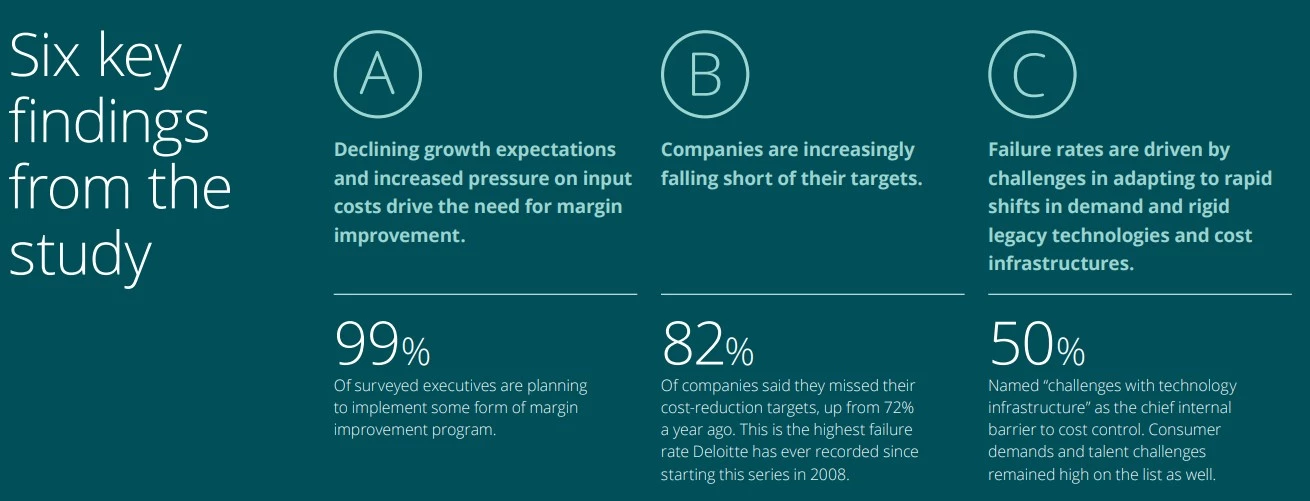
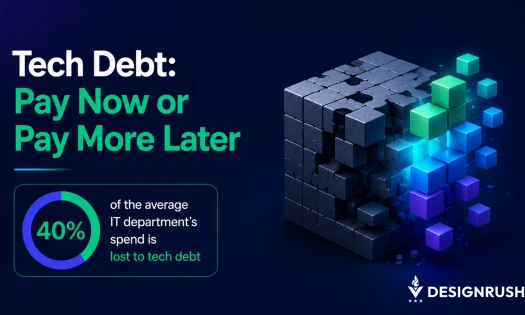
50% of organizations now list outdated tech infrastructure as a leading barrier to operational efficiency, according to Deloitte’s 2024 MarginPLUS study. From misaligned codebases and undocumented features to fragile deployment pipelines, recovery challenges are widespread.
Organizations face issues like:
- Security vulnerabilities and bugs in production
- Team turnover leaves behind incomplete or messy code
- Missed deadlines due to technical debt or broken pipelines
- Lack of internal expertise to resolve blockers
Rather than discarding years of work, triage helps restore momentum through targeted recovery, rather than complete rebuilds.
A Five-Step Framework for Rescue
The triage approach provides structure and clarity to even the most unstable projects. The team’s process includes five key phases:
1. Initial Assessment
Conduct a technical audit of architecture, code quality, infrastructure, and security to identify root issues and risks.
2. Operational Onboarding
Set up local environments, validate CI/CD pipelines, and create a safe foundation for developers to work and deploy changes.
3. Recovery Roadmap
Collaborate with the client to develop a phased plan that focuses on achieving quick wins, ensuring stability, and promoting longer-term scalability.
4. Implementation
Execute the plan: refactor unstable modules, resolve architectural flaws, and upgrade outdated dependencies.
5. Transition or Continuation
Depending on internal capacity, projects are either handed over with complete documentation or continue in partnership with Ollon’s development team.
This structured method reduces ambiguity and aligns recovery work with real-world business priorities, such as product launch, compliance, or operational efficiency.
Custom Software Stabilization for a National Insurance Organization
A large national organization in the insurance sector was struggling with a fragmented software product developed by multiple teams over time.
-content-large-webp.webp "Mobile App Interface for Managing Loan Processing Tasks and Document Reviews")
Key components were unreliable, new features couldn’t be shipped with confidence, and platform upgrades risked breaking critical functionality.
Recovery included:
- Codebase stabilization and rollback of unstable releases
- Restoration of key features impacting user access and performance
- Documentation of known defects and architectural gaps
- Implementation of phased updates with end-user continuity in mind
Outcome: By realigning the codebase and restoring stability, the product team was able to plan and execute new features confidently. The modernization effort created clarity around technical debt, reduced support escalations, and enabled a roadmap built on trusted delivery cycles.
How AI Is Shaping Triage Workflows
Understanding legacy codebases can take weeks. Developers use tools like Cursor AI to accelerate that process.
Cursor helps by:
- Identifying and summarizing upgrade issues and delivering targeted solutions
- Accelerating the process of automating tests for pre- and post-upgrade validation
- Providing context-aware suggestions across the entire codebase
- Aiding by summarizing errors during test automation and providing solutions
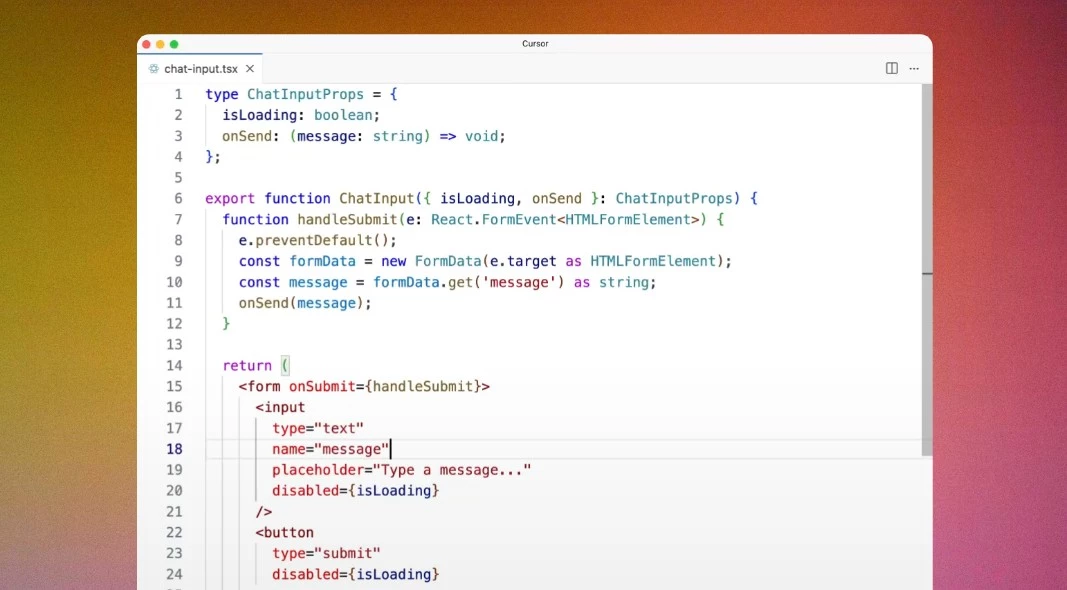
These allow senior engineers to focus on high-impact work, such as system architecture, critical logic, and stability, while offloading documentation and updates to AI.
The result:
- Faster time-to-stabilization
- More informed decision-making
- Lower recovery costs without sacrificing code quality
Digital Asset Platform for a Semiconductor Leader
A global semiconductor company was left with a partially completed digital asset platform after its development team exited.
-content-large-webp.webp "Centralized Software Deployment and User Access Management")
With no documentation and no clear path forward, the project risked being abandoned altogether.
Best practices include:
- Audit the codebase and infrastructure
- Rebuild development environments
- Refactor core components
- Mentor the internal team during handoff
Outcome: The platform is now stable and maintainable and is preparing for full launch, with continuing support from the development team as a technical partner.
Turning Failure Into Forward Motion
Application triage and rescue aren’t about patching things up. It’s about restoring clarity, structure, and forward momentum when software projects hit critical points of failure. In a tech landscape where time, budgets, and trust are often at risk, structured recovery provides a pragmatic approach to turning breakdowns into breakthroughs.
At Ollon, this work is at the core of the team's operation. It pairs deep technical expertise with repeatable processes and modern tools, such as AI, to help organizations stabilize and scale even the most complex systems.