-details-webp.webp)

Environmental Design Takeaways:
- Over 66% of marketers say their companies rely almost entirely on customer experience.
- Companies that invest in better customer experience can see revenue gains between 10% and 15%, according to Zendesk.
- For first-time entrepreneurs or those entering new industries, Environmental Graphic Design is the battleground. Yet physical spaces are often overlooked in branding.
In the experience economy, brand perception is shaped less by what companies say and more by how they make people feel. If your space feels off-brand, outdated, or disconnected, you’re eroding trust.
Companies that invest in better customer experience can see revenue gains between 10% and 15%, as reported by Zendesk.
Yet, the physical space is often overlooked in both the customer experience and Environmental Graphic Design (EGD) equation.
A designed physical experience in a retail environment is a powerful way to elevate and differentiate a brand in the mind of consumers.
Editor's Note: This is a sponsored article created in partnership with Willoughby Design.
-content-large-webp.webp "The Sweet Spot Happens When All Four Disciplines Work Together")
Branding is more than logos, taglines, and what shows up on a screen. Every touchpoint between a business and its customers, including every facet of a physical space, reinforces brand identity and enhances the customer experience.
So, architects, developers, designers, and branding agencies need to work together to ensure the physical space reflects the business’ vision, values, and brand.
According to a breakdown of EGD principles by Graphically.io, five key elements shape how people navigate, interpret, and emotionally respond to a space:
- Wayfinding
- Wall and floor graphics
- Digital displays
- Branded environments
- Interactive media
When those physical details are intentional, they do more than support the brand. They create a sense of connection, and that is the goal.
Whether it’s in a store, a public venue, or a corporate office, people should feel something the moment they walk in.
When storytelling, wayfinding, and brand signals are aligned, they build trust and leave a lasting impression.
This is how Willoughby Design has helped businesses bring their brand identity to life: through curated, real-world brand experiences that align emotional, physical, and digital touchpoints, and make every interaction count.
From a pet adoption center to a boutique hotel, these real-world EGD examples show how Willoughby’s design choices can shift perception, build trust, and turn first-time visitors into loyal customers:
- KC Pet Project
- The Inn at Meadowbrook
- Loews Kansas City Hotel
1. KC Pet Project
KC Pet Project set out to build a world-class environment for pets and people alike that would be a safe, warm, hopeful place that encourages visitors to stay.
Willoughby designed a brand identity system that can adapt across all touchpoints. It was then applied to clear wayfinding and engaging graphics, including a floor-to-ceiling mural and whimsical installations, to make the space more approachable and reduce stress for animals and visitors.
-content-large-webp.webp "Willoughby Design’s Wall of Leashes")
To bring this vision to life, the agency took the following steps:
- Developed a brand voice and identity system that is casual, warm, and positive to help lower emotional barriers.
- Collaborated with the marketing team and architects to plan magical moments. throughout the environment, including an illustrated backdrop for the first family photo.
- Designed retail‐style environmental graphics and signage to reduce the clinical feel.
- Used bold colors and clean, friendly typography to evoke energy and optimism.
- Created illustrated animal icons to personalize each area and help people navigate the space.
- Honored the many people and companies who made this project possible on a donor wall made of leashes.
- Applied the branding across digital, print, interior signage, and uniforms for consistency.
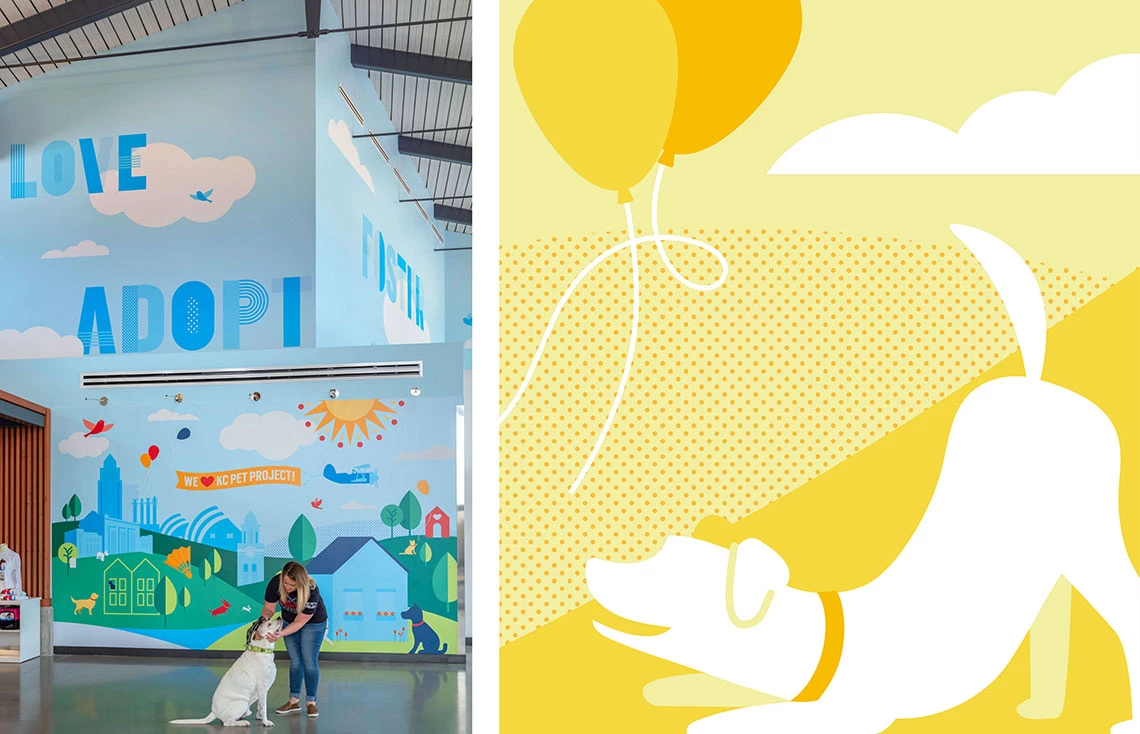
These thoughtful design choices help make the shelter feel welcoming and less intimidating for everyone who walks through the door.
2. The Inn at Meadowbrook
The Inn at Meadowbrook is a boutique hotel nestled in a high-end bedroom community surrounded by a newly reimagined park. It is designed to serve upscale business and leisure travelers, as well as the local community.
For this project, Willoughby created a brand system that combines classic luxury with a sophisticated warmth using rich colors and thoughtful details to reflect the Inn’s concierge-driven service and amenities.
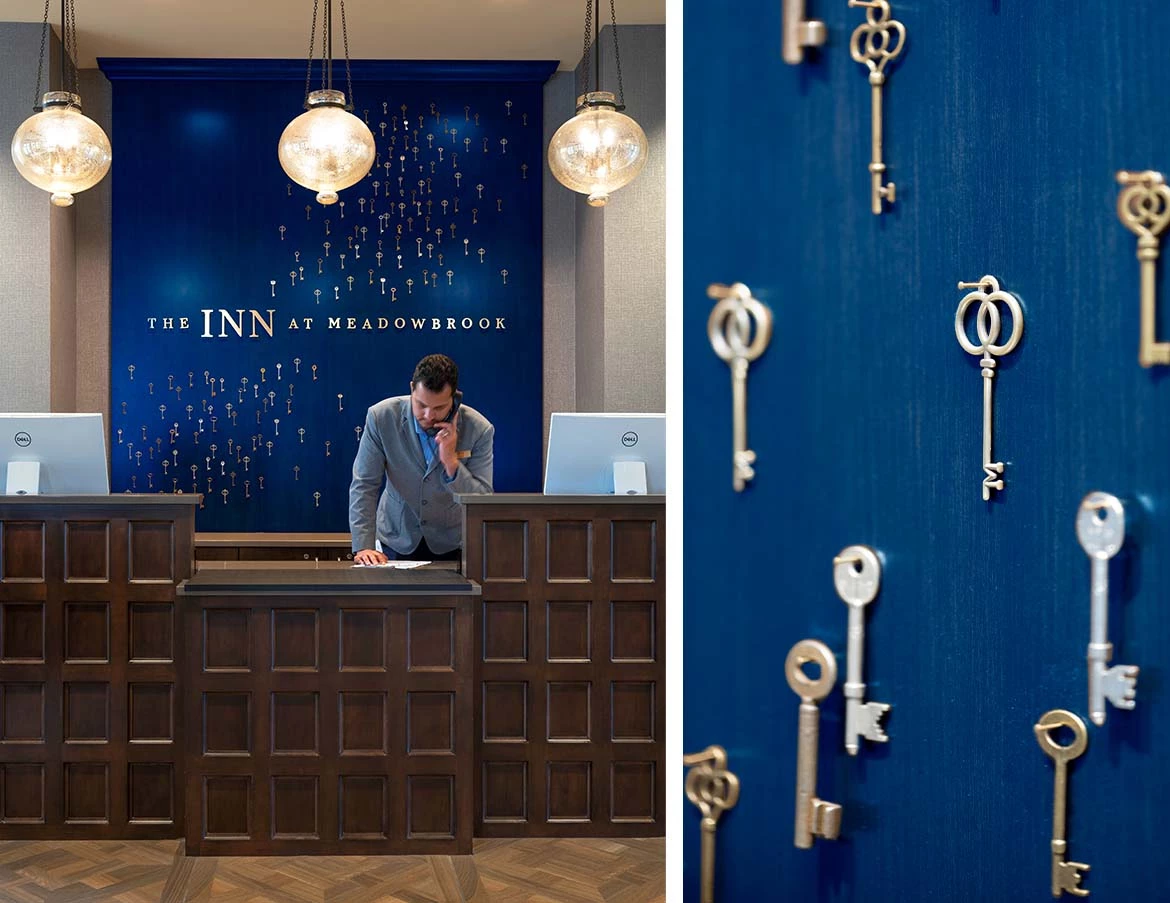
Willoughby focused on creating a bespoke brand identity rooted in the Inn’s commitment to hospitality and personalized luxury. The agency:
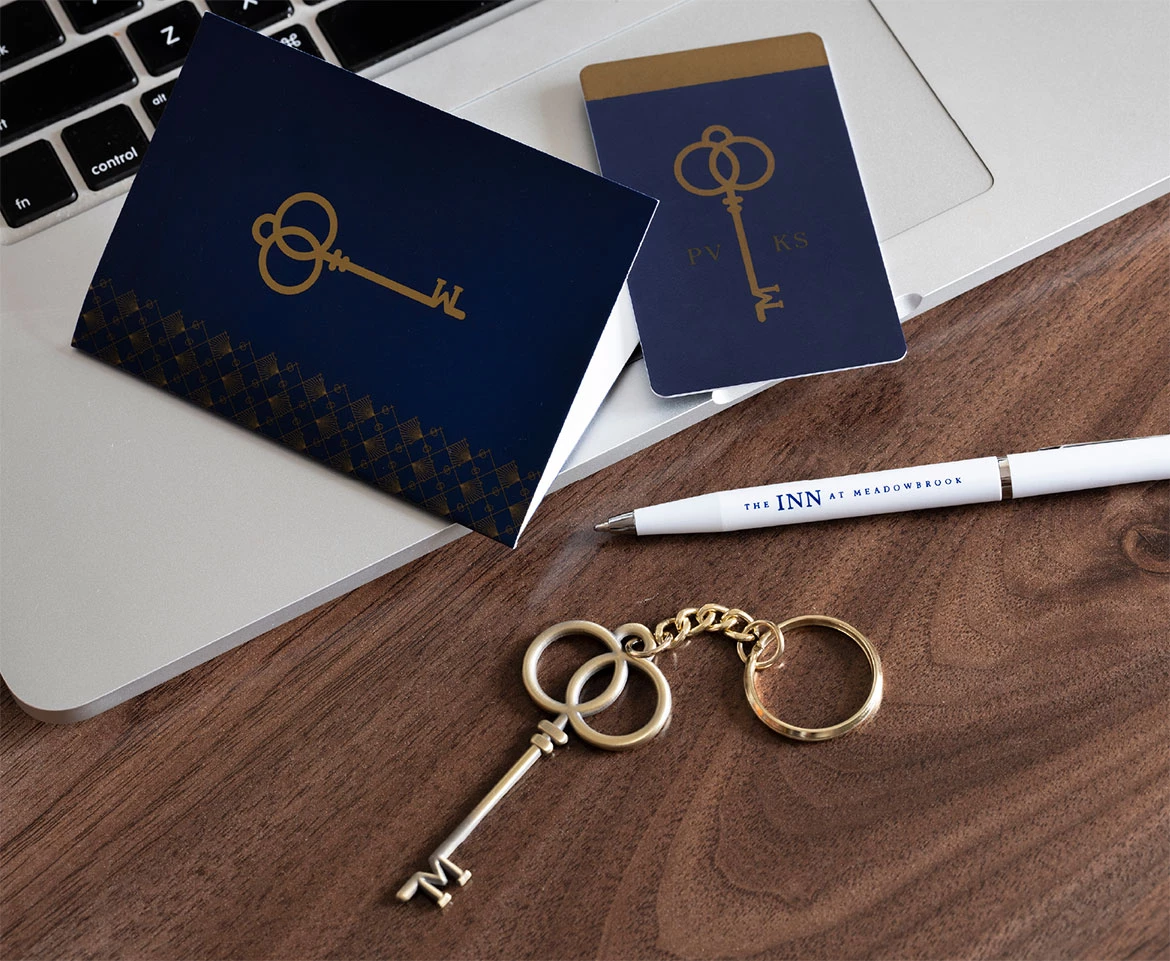
- Designed a custom monogram, logo, and patterns inspired by the classic key shape that is reminiscent of the white-glove service of past centuries.
- Curated a deep navy and gold palette inspired by the surrounding community’s country club lifestyle.
- Created a custom art installation behind the front desk, combining the custom-branded keys with antique keys.
- Extended the brand’s image across signage, printed materials, and in-room amenities from custom embroidered bath robes to branded toiletries.
This clear, consistent brand helps the Inn own a unique premium position when being considered against more standard hotel options in the area. It makes guests feel welcome and encourages them to come back.
3. Loews Kansas City Hotel
Loews Kansas City needed to present a local interpretation of its national brand by honoring the city’s history and character without losing its polished, upscale feel. Willoughby’s task was to design a visual system that reflected Kansas City’s spirit and extended seamlessly across a large, busy hotel.
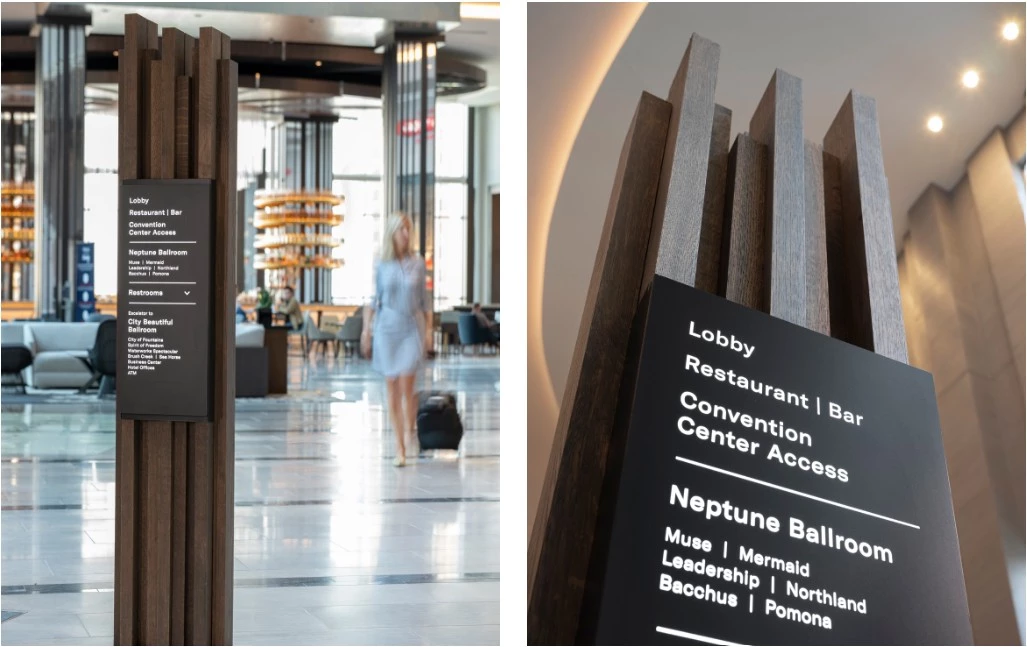
To meet Loews Kansas City’s needs, Willoughby focused on elegance, local character, and clear wayfinding throughout the hotel’s large, dynamic space by:
- Collaborating with the architectural team to create a signage package using upscale materials that complement the architectural elements throughout the space while meeting the practical needs of a busy convention-scale hotel.
- Developing a typography-driven signage system that is both sophisticated and able to quickly guide guests across 60,000 square feet of event space and 800 rooms.
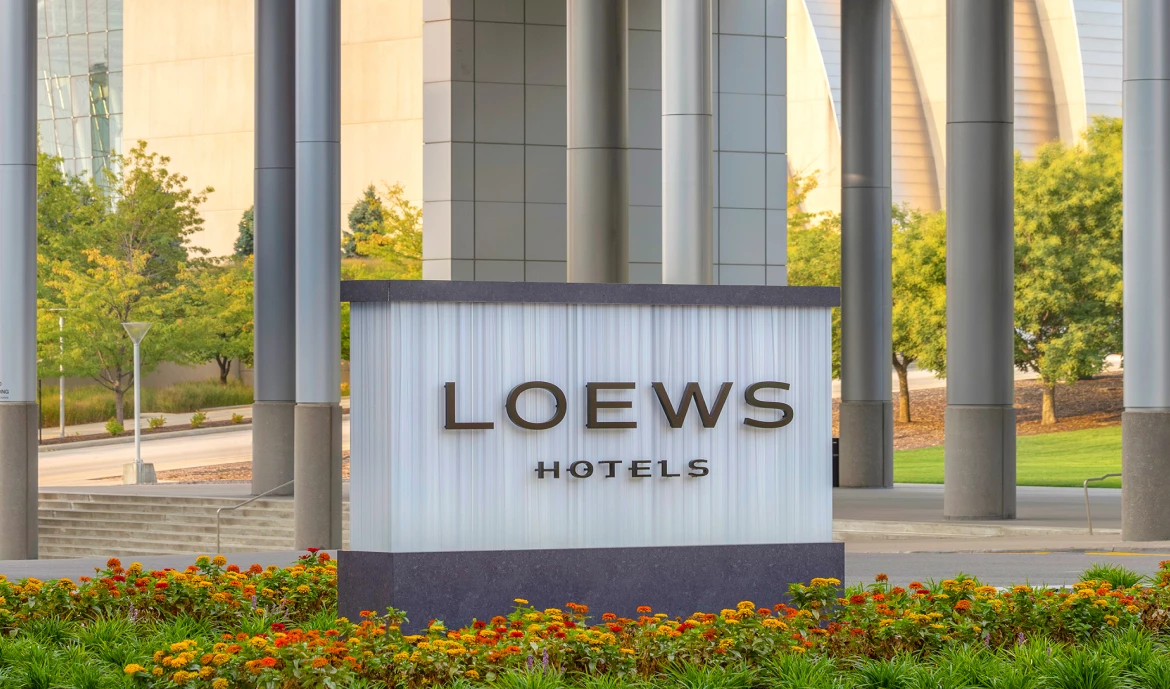
- Including subtle design elements that nod to local culture, such as the custom acrylic on the main exterior monument sign that mimics the movement of water, honoring Kansas City’s history as The City of Fountains.
- Establishing a tone of voice that is warm, approachable, and rooted in a clear sense of place in the Midwest.
This thoughtful design makes it easy for guests to navigate while reinforcing Loews’ upscale brand and connection to Kansas City, driving better guest experiences and loyalty.
Designing a space isn’t just construction or a facelift. It’s a powerful way to show a brand’s identity, a process that requires collaboration between architects, developers, and designers.
Just like spatial layout and signage, color plays a crucial role in how people experience a brand. This quick guide explains how brand designers choose hues that align with your brand identity and resonate with your audience.
What do all of the previous case studies share as things achieved?
For entrepreneurs entering new markets, ignoring environmental design means missing a key part of the customer experience. Getting the details right, from signage to brand messages, turns your space into a tool that influences how customers feel and whether they come back.
That’s the real value of environmental design: creating places that don’t just house your business but extend your brand through a memorable experience and bring it to life.