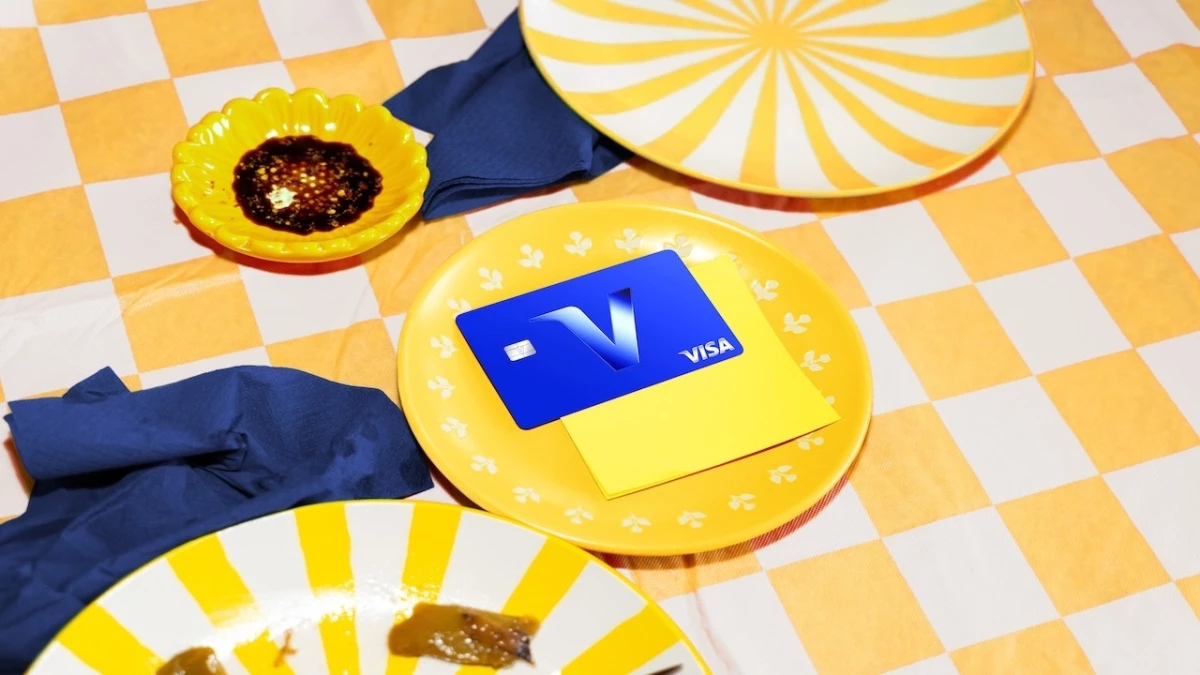

Visa is retiring the flag-like symbol it introduced in 2021, replacing it with a standalone V on selected cards and digital platforms.
The redesign arrives five years after Visa introduced the symbol as part of a purpose-led identity.
Its name, wordmark, purpose, and values remain unchanged.
Visa's 2021 announcement introduced the previous identity as an expression of trust, security, acceptance, and inclusion.
Now, Visa is trusting its decades of brand recognition to support a more compact mark.
Business Insider's report says that Visa's in-house creative studio and Base Design developed the refresh over about a year.
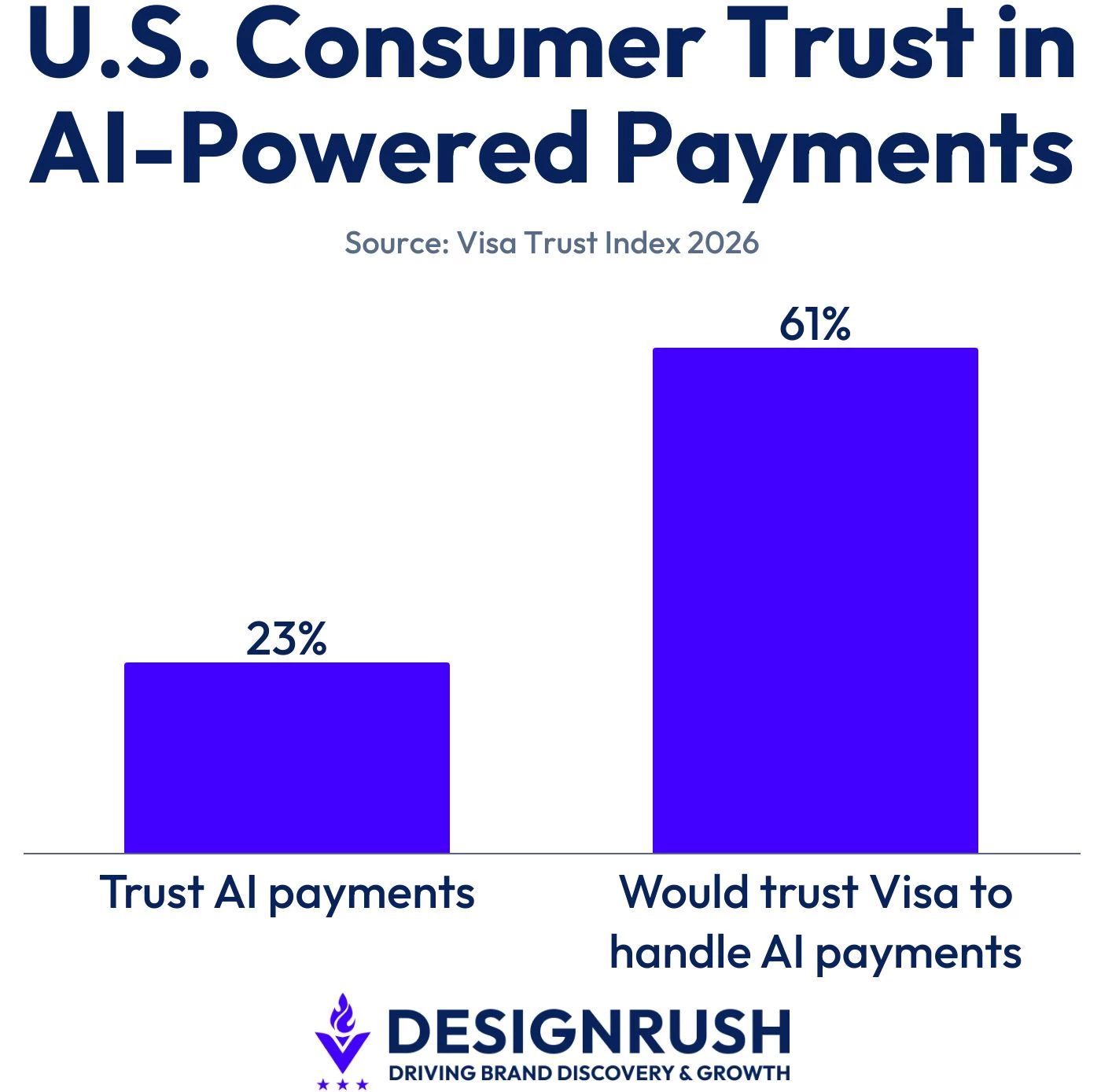
Visa's own Trust Index found that 61% of U.S. consumers surveyed would trust Visa to handle purchases made by AI agents.
The brand refresh puts this equity to the test as commerce expands across mobile screens, digital services, and AI-assisted purchases.
The V Replaces Mucho's 2021 Symbol
Visa's previous identity introduced a blue, white, and yellow symbol alongside refreshed brand colors and a custom typeface.
Design firm Mucho developed the 2021 system to express Visa's purpose and support its expanding digital presence.
The agency formed the bars of Visa's classic card logo into an equal sign for access and inclusion.
The new identity replaces this mark with a standalone V, giving Visa a quick recognition cue for cards and vertical screens.
Visa Sans and the refreshed imagery, illustration, and motion now express the purpose that the 2021 symbol once signaled.
When a brand's identity expresses purpose through its whole design system, the logo can stay simple.
A Smaller Mark Faces a Bigger Trust Test
The refresh comes as the brand prepares for commerce in which AI agents help consumers select products and complete purchases.
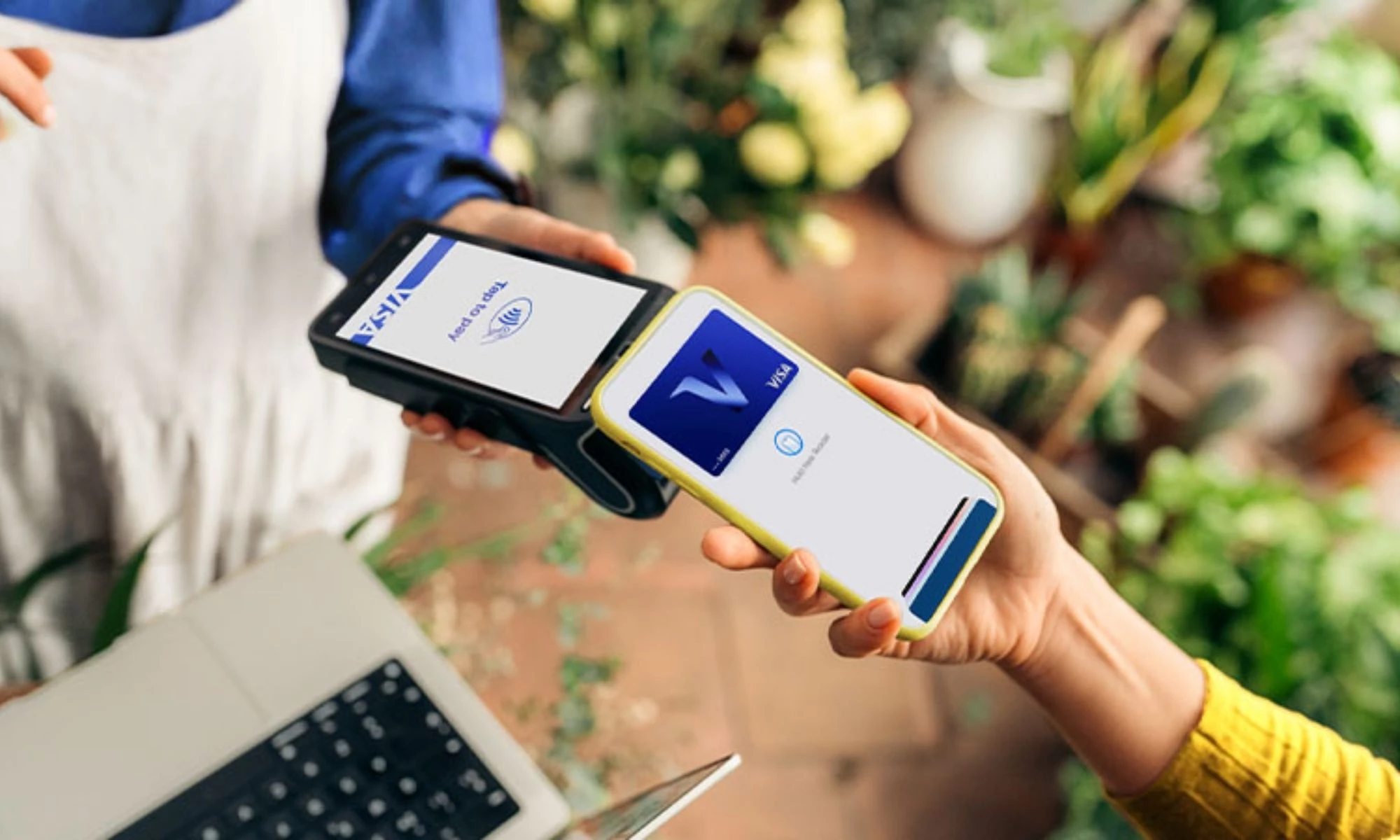
At checkout, an AI agent may show Visa as a small icon next to other payment options.
Visa CMO Frank Cooper III told Business Insider that the leaner mark reflects how well people already know the company.
"We do not have an awareness issue. We have deep trust," Cooper added.
Visa will still spell out its full name where space allows and use the V on smaller surfaces and screens.
Scaling the mark to fit each canvas size keeps the brand recognizable wherever shoppers meet it, including at AI checkout screens.
It will test whether Visa can preserve its established identity while preparing it for emerging payment experiences.
Only 23% of Consumers Trust AI to Pay
Visa's September 2026 Trust Index found that 23% of Americans trust generative AI to handle payment transactions on their behalf.
The Harris Poll surveyed 2,065 U.S. consumers for Visa between May 26 and 28, 2026.
The data suggests that consumer confidence could limit adoption, even as AI assists product discovery.
Among respondents, 61% said they would trust Visa to handle agentic transactions.
The gap gives Visa an edge, though the survey only captures what consumers say they would trust.
These findings offer three lessons for brands preparing for AI-assisted commerce.
- Trust can separate AI interest from payment adoption. Payment companies should explain how transactions are secured to build confidence before consumers authorize AI purchases.
- Recognition matters when interfaces get smaller. Brand teams should test simplified marks across formats and screens to preserve recognition at a glance.
- New technology needs familiar signals. Companies should connect emerging payment experiences to established brand cues to reduce cart abandonment.
Consumer confidence will determine how much of Visa's familiarity and trust helps AI-powered payments gain acceptance.
Our Take: Can a Single Letter Preserve Visa's Equity?
Visa's equity has always shown up at the point where someone decides to pay.
We'd back the V to preserve this equity, since shoppers at checkout already read a V as Visa.
The next step is giving the letter a meaning that shoppers can recognize in a split second.
The browser padlock offers a good model, since people learned to read it as a sign that their card details were safe.
If Visa connects the V to protections like spending limits, shoppers will learn to look for the letter before letting an AI agent pay.
Visa's identity refresh follows another B2B rebrand built around making a complex service easier to understand.
Remote and COLLINS redesigned the global payroll company's identity to connect its visual system to the work it performs.
Brands planning similar rebrands can work with partners to protect existing equity while preparing future identity systems.
Explore these top branding agencies on DesignRush to find partners for your next brand refresh.