
Daft Punk approached LEGO Group years before they announced their partnership.
Creative director Cédric Hervet told Wallpaper* that the timing probably wasn't right back then.
Fan support later helped unlock the collaboration, beginning with a design inspired by the duo's 2007 "Alive" tour.
The LEGO Ideas submission came from Patrick Harboun and his son in Luxembourg.
It won the fan vote in LEGO's 2020 Music to Our Ears challenge, then reached 10,000 supporters in 2025.
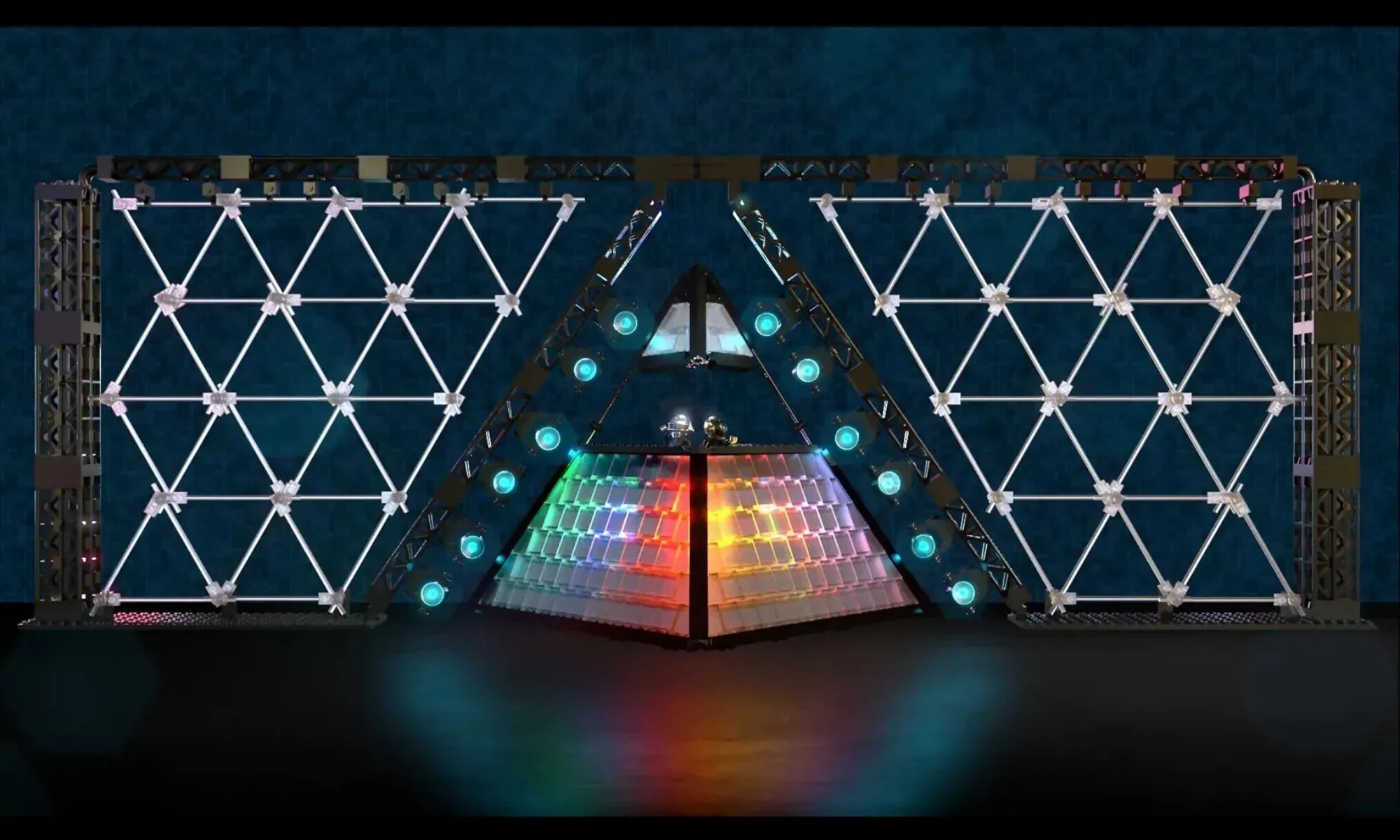
LEGO selected a Fender Stratocaster design for production after the contest, leaving the Daft Punk pyramid without a set at the time.
It also gives LEGO a way to connect generations of music fans through the duo's instantly recognizable robot identities and stage design.
The new partnership will now advance the fan design into product development.
Daft Punk split in 2021, but their creative director shared that the group's legacy remains active through its fans.
Hervet's story shows that an artist's pitch can stall for years until a fan community makes the co-branding case.
Launch Film Debuts the Duo as Minifigures
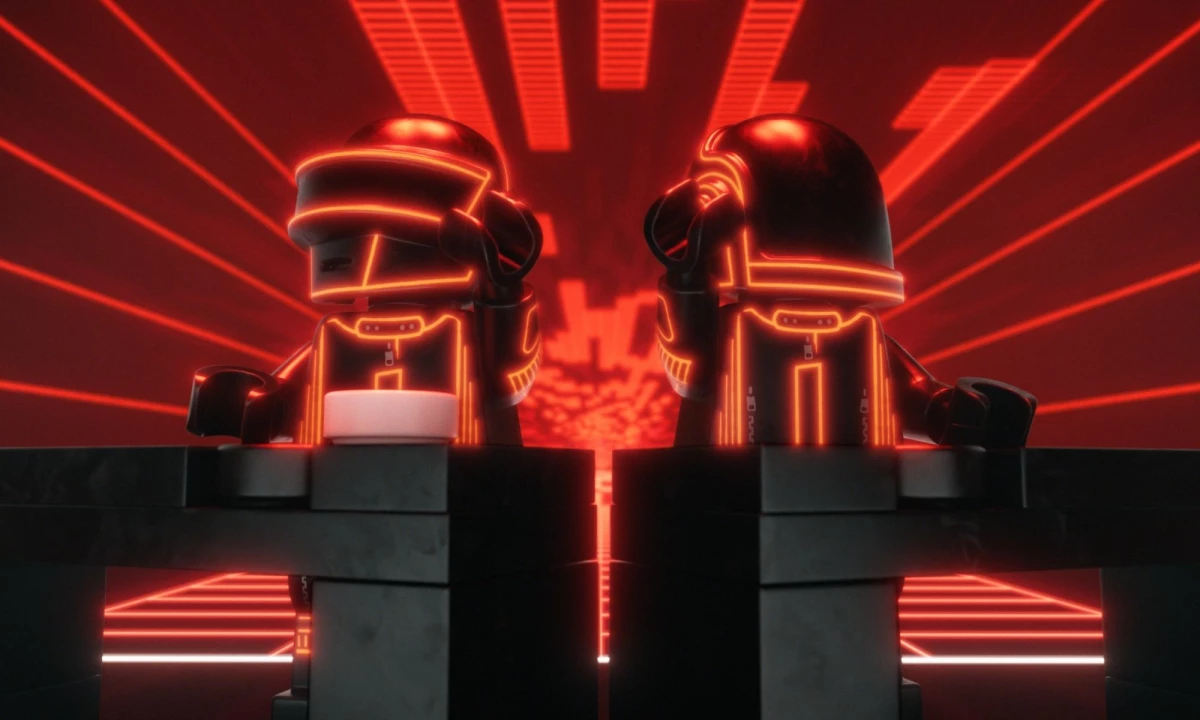
The launch film introduces LEGO minifigures of Thomas Bangalter and Guy-Manuel de Homem-Christo, better known as Daft Punk.
They follow a holographic red brick through a dark, neon-lit landscape.
The architecture unfolds around them until they reach a LEGO-built console.
"Voyager" from the 2001 album Discovery pairs with "Human After All," the title track from the duo's 2005 album.
Both songs connect the campaign to the duo's back catalog while giving the minifigures a soundtrack rooted in their brand identity.
The 2007 Alive tour pyramid provides the partnership's first major product concept.
Harboun said that he and his son designed the original submission during the COVID lockdown.
They drew on one of Daft Punk's most recognizable live-performance assets.
"Watching our passion project become part of an official collaboration is an incredible experience, and it's a reminder of what makes the LEGO Ideas community so special," Harboun said in a statement.
Reports state that the set will go into production in 2027, though LEGO has not announced final specifications, pricing, or a release date.
"The pyramid stage is one of the most recognizable expressions of Daft Punk's visual world," Hervet said in LEGO's announcement.
"Fans have always played an important part in Daft Punk's story, and we are excited to see that creativity reflected through the LEGO universe."
The campaign also follows Daft Punk's earlier appearance in "Piece by Piece," Pharrell Williams' 2024 brick-built biopic.
The film retold Pharrell's career entirely in LEGO animation, with Daft Punk minifigures sharing the screen with Nile Rodgers.
LEGO is also launching the partnership in the same year that "Discovery," the 2001 album behind "Voyager," turned 25.
"Starboy," The Weeknd's 2016 hit featuring Daft Punk, also ranks fourth on Spotify's all-time most-streamed list with 4.8 billion plays.
These facts show that Daft Punk still has the kind of pull that sells products even five years after their split.
Nostalgia Links Older Fans With Younger Builders
LEGO approved the pyramid for product development in October 2026, six years after the fan vote.
The timeline shows how a fan concept can remain relevant long enough to support a commercial collaboration.
Daft Punk adds generational nostalgia through robot personas, albums, and concert imagery that fans still recognize.
LEGO's pyramid set can reach the parents who grew up on "Discovery" and the kids who know Daft Punk through "Starboy."
These lessons can guide brands that want to use existing fandom to create lasting commercial interest.
- Fan participation can validate product demand. Brands should track sustained community support to identify concepts with an established audience.
- Recognizable design can bridge generations. Teams should translate distinctive assets into interactive products that encourage shared experiences.
- Nostalgia needs a fresh point of entry. Marketers should pair familiar music and imagery with new formats to attract longtime fans and newer audiences.
A fan platform gives a brand years of free market research before it spends anything on design or tooling.
Our Take: Should Fan Ideas Guide Licensing Decisions?
LEGO rejected two earlier Daft Punk projects that cleared 10,000 LEGO Ideas supporters, one in 2015 and one in 2023.
We'd want a fan-vote win to put LEGO on the phone with the rights holder, since the pyramid won in 2020 and still waited six years.
The brand's review board picked a Fender Stratocaster for production that year and left the fan favorite on the shelf.
The pyramid only moved after it hit 10,000 supporters in 2025, which Hervet credits with finally unlocking the deal.
This just means that LEGO needed a proven audience and a rights holder ready to sign.
Fan votes should count for more on properties the toymaker already licenses, where the only open question is which build to make.
LEGO is already running this test with another execution that invites fans to design crossover sets.
This time, it combines Star Wars and Marvel characters.
The "Hope Assembles" challenge gives fans a direct role in developing concepts that could reach store shelves.
Product collaborations need more than fan recognition to succeed at retail.
Explore these top product marketing agencies that use cultural appeal to inform consumer demand.