
Key Takeaways:
- 90% of SaaS startups fail within three years because they neglect a strategic foundation and fail to establish a market need.
- Starting with an MVP allows SaaS startups to launch faster, reduce costs, and build a product that meets user needs, minimizing risk and maximizing market fit.
- Designli implemented these strategies for Virtuosity, allowing the company to scale its web, iPhone, and Android platforms.
Each year, thousands of SaaS startups launch with big visions — but 90% never reach success, according to a study from McKinsey.
The reason for 42% of those failures is painfully simple: there was no real market need.
That disconnect often stems from skipping the basics. Founders rush to build features before proving demand, overspend on bloated codebases, or forget to plan for scalability from the start.
But it doesn’t have to be that way.
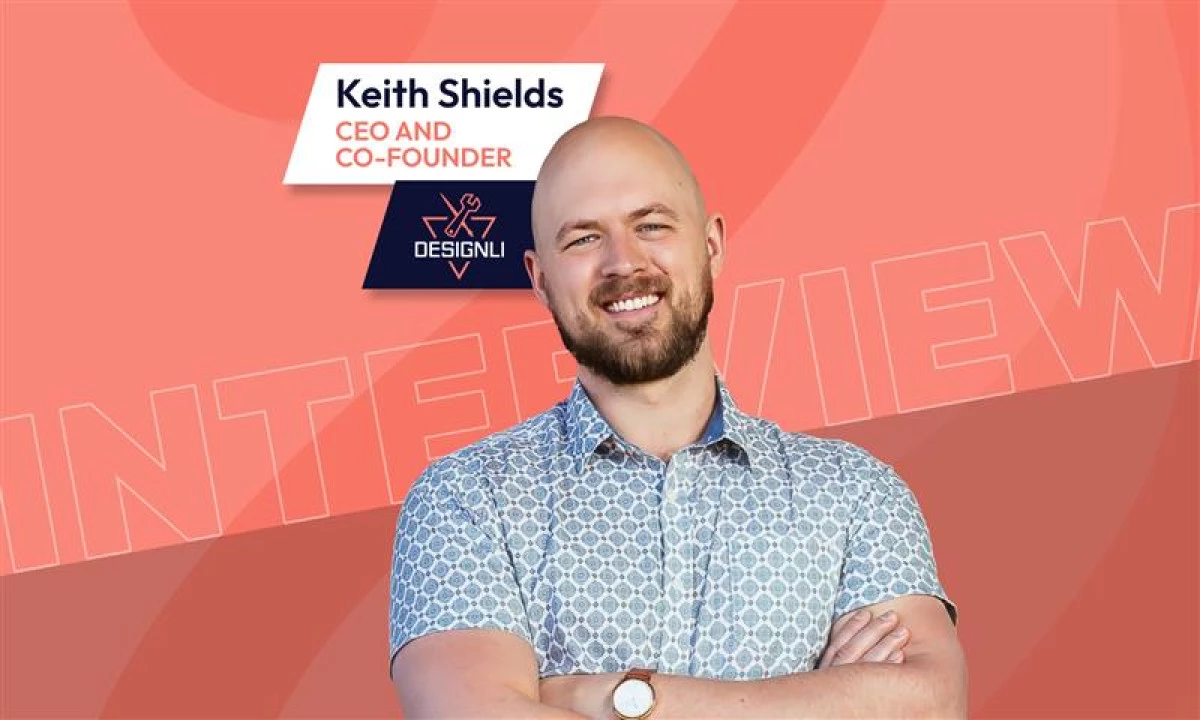
According to Keith Shields, CEO of software development firm Designli, the path to a scalable SaaS product starts with having the right strategy.
In our interview, he breaks down the missteps that derail early-stage startups and shares how founders can beat the odds with a lean, validated, and future-proof approach.

Who Is Keith Shields?
Keith Shields is the CEO and co-founder of Designli, a leading software development firm. With over 20 years of experience in the tech industry, Keith has helped businesses successfully launch software products. Under his leadership, Designli has earned a reputation for delivering high-quality, scalable solutions and has received over 200 five-star reviews.
A common theme among failed SaaS projects? Rushing into development without validating the core idea.
“A lot of founders get stuck because they either try to build too much too soon or they don’t validate their core idea before investing heavily in development,” Keith shares.
“We’ve seen companies burn through their budget on unnecessary features while neglecting the fundamentals.”
That’s not just a waste of money — it’s a fast track to irrelevance. Without a product users need, even the most polished UI or clever branding won’t save a SaaS startup.
Start Lean, Build Smart
According to Keith, SaaS success starts with structure. That’s why Designli created a service designed to build a strategic structure and foundation.
“Our SolutionLab process helps validate ideas before development starts, ensuring that founders build something their market needs.”
“We take an iterative, hands-on approach, so instead of working in long, rigid development cycles, we adjust based on real user feedback.”
This philosophy is baked into Designli’s DNA, and is best seen in the agency’s approach to minimum viable products (MVPs).
Starting with an MVP gives SaaS startups a faster path to market. It allows them to test core features, gather feedback, and refine their product without burning their budget. It minimizes the risk of building unnecessary features and helps ensure the product aligns with real user needs.
This lean approach also makes it easier to adapt as the market evolves. By launching with a focused, functional version first, SaaS startups can validate market need and build a more sustainable product roadmap based on user behavior.
The Real Reason MVPs Fail
In most cases, startup failure isn’t caused by a single mistake. It’s often the result of a series of smaller missteps that build up over time.
Keith outlines some of the more common mistakes that plague SaaS startups:
- Building without confirming that real users need the product.
- Trying to do too much instead of nailing a strong MVP.
- Failing to plan for long-term growth in database architecture, cloud infrastructure, and API design.
- Not leaving room for iteration and adaptation based on real user feedback.
The antidote, he says, is focus:
“The key is to stay laser-focused on solving the core problem first.”
“Scalability is important, but you don’t need to build for millions of users on day one, just ensure your foundation is flexible enough to grow when the time comes.”
Designli’s work with 1MAC Anesthesia proves that smart development decisions can reverse course — even after launch.
“When they came to us, they had already launched Version 1 and gained market traction, but they needed to scale quickly while improving usability,” Keith says.
The Designli team rebuilt the platform with dedicated specialists, streamlined its codebase, and transitioned the app to React Native to align with the web version.
“The turning point came when these enhancements led to a significant increase in provider sign-ups and facility adoption, making 1MAC the go-to platform for anesthesia staffing across the country.”
Making the Right Calls Early
Whether it’s cloud infrastructure or API design, Keith emphasizes future-proofing from day one:
“Instead of just providing a short-term fix, we help clients make decisions that set them up for long-term success.”
That includes selecting scalable services, designing efficient databases, and adopting a modular architecture to avoid bottlenecks.
And for non-technical founders? Stay out of your own way.
“One of the biggest pitfalls is constantly shifting priorities. It’s easy to get excited about new ideas, but constantly changing direction mid-development leads to wasted time and budget,” Keith adds.
Although Keith mentions mid-development, the same pitfall can present itself later in the development cycle if SaaS startups aren’t careful.
Knowing what to measure is just as important as knowing what to build. Otherwise, startups won’t have the data needed to uncover areas for improvement.
Keith says his team prioritizes tracking the following metrics:
“Activation rates tell you if people are signing up and completing the steps that indicate they’re finding value.”
“Retention is another big one — if people are churning quickly, that’s a sign something isn’t working.”
Beyond user engagement, founders should also closely monitor business efficiency.
“If your customer acquisition cost is too high compared to the lifetime value of a customer, that’s a red flag.”
The Right Use of AI
According to a Gitnux study, 67% of SaaS businesses use AI to enhance their value offerings.
While AI is transforming the SaaS industry, Keith urges founders not to follow the trend blindly:
“AI should be used to enhance the product, not complicate it,” he says.
“The best implementations are the ones that make users’ lives easier without adding unnecessary complexity.”
Start With the Problem, Not the Tech
In a niche where most SaaS startups never scale, a shift in initial approach could spell the difference between an early flameout and sustainable success.
Given this, SaaS startups should prioritize building a strong foundation — starting with a validated MVP — to ensure they’re solving the right problems, for the right market, at the right time.