
Spotify's 20th anniversary campaign has turned a familiar app icon into a branding debate.
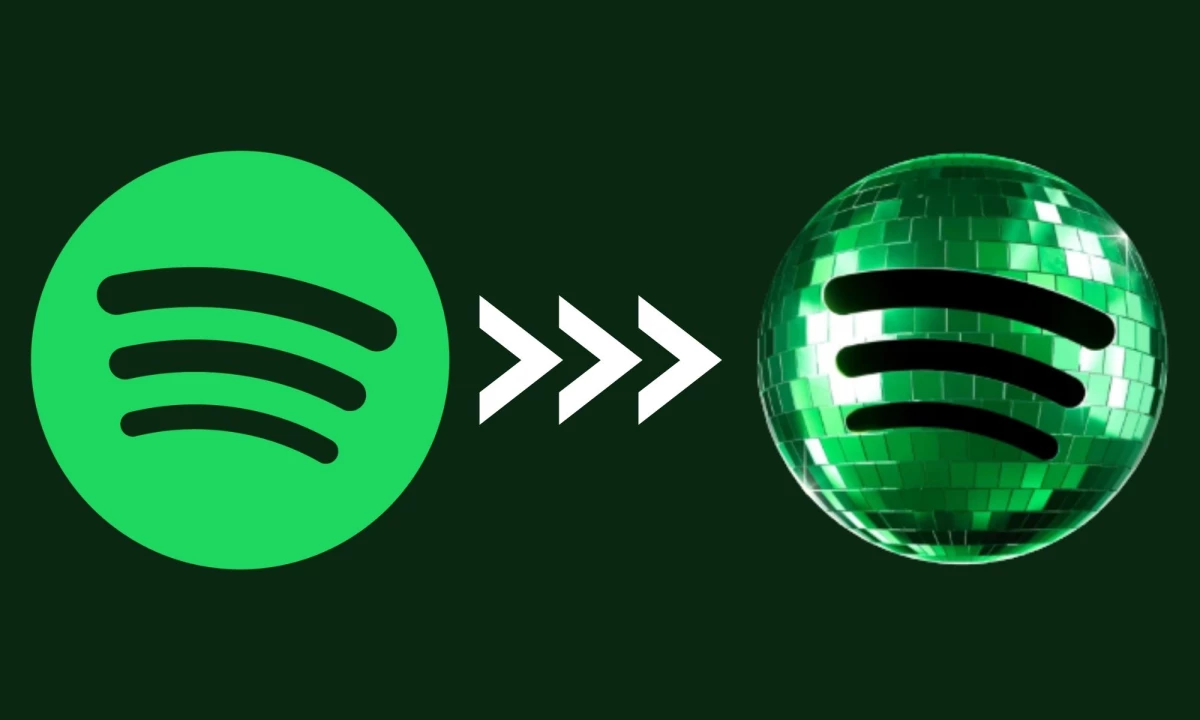
The streaming platform replaced its flat green logo with a glittering disco-ball version tied to its "Spotify 20: Your Party of the Year(s)" activation.
The change prompted backlash as users criticized the redesign as cluttered, distracting, and harder to recognize.
The temporary icon sits at the center of a broader nostalgia marketing campaign that lets listeners revisit their:
- First-ever streamed song
- All-time top artist
- Personalized look back at their Spotify history
Spotify's senior director of global brand, Lauren Solomon, described the redesign as a temporary "expression of culture" tied to milestone celebrations.
But the backlash-ridden reaction also shows how quickly audience familiarity can outweigh creative experimentation when brands alter recognizable app icons.
Spotify's Logo Sparks Debate
The music app kept its core three-line soundwave symbol intact while wrapping it in a reflective green disco-ball texture meant to evoke nightlife and music culture.
Some users praised the redesign for bringing personality back into app branding.
Others argued the icon feels visually noisy, especially at smaller sizes on crowded home screens.
"It's horrible! Every time I look at it I think the app is busy updating," one Reddit user wrote after the icon appeared on devices.
Comment
by u/Beneficial_Passion40 from discussion
in NonPoliticalTwitter
Spotify's logo redesign also arrives during a period when major brands are rethinking minimalist visual systems.
Rising nostalgia aesthetics and the return of textured design have encouraged companies to experiment with texture and dimensionality again.
However, consumer tolerance for dramatic UI changes remains inconsistent.
Spotify is framing the anniversary campaign around memory, fandom, and long-term listening habits, with personalized playlists and retrospective listening insights tied to users' streaming history.
The anniversary icon may be temporary, but the backlash shows just how protective audiences become over familiar digital assets.
The debate also connects to broader conversations around rebranding strategy and high-profile branding failures.
Data Shows Why Redesigns Carry Risk
Major brand identity updates can affect recognition, trust, and consumer behavior faster than brands expect.
- Familiarity drives brand recognition. Brands should keep recognizable visual cues to reduce friction when updating identity systems.
- Design changes need context. Companies should connect redesigns to a clear campaign narrative, so audiences understand the purpose behind changes.
- Audience reaction affects longevity. Teams should monitor reactions closely to determine whether experimental branding strengthens or weakens trust.
When companies alter highly recognizable assets without strong storytelling or user control, even temporary updates can create friction faster than excitement.
Gap’s failed 2010 logo redesign remains one of the clearest examples of how quickly consumers can reject abrupt identity changes.
The retailer replaced its iconic blue-box logo with a minimalist Helvetica wordmark.
It prompted immediate criticism online before reverting to the original design within a week.
Even temporary design changes can disrupt daily habits and frustrate loyal users.
Our Take: Should Apps Change Familiar Icons?
Only if the campaign experience easily justifies the disruption.
Spotify’s disco-ball icon succeeded in generating attention and reinforcing its anniversary theme.
But it also exposes how sensitive users are to visual changes tied to everyday behavior.
We think consumers are more willing to accept experimental branding inside apps than on their home screens.
In a competitive app market, the home screen is where recognition speed matters more than novelty.
If users begin viewing temporary branding as intrusive, brands may lose the flexibility needed for future milestones.
This tension could push more platforms toward optional or customizable app icons for anniversary campaigns and seasonal branding.
Spotify's update may be temporary, but Twitter's rebrand to X erased years of brand equity overnight.
Despite the former being a short-term decision, both tech giants' rebrands caught some flak.
This goes to show what can happen when big brands make major changes.
Need a branding partner that can validate audience response before a major app rebrand? Explore the Top App Design Companies in our directory.