



Gap Rebrand Takeaways:
- Gap’s 2010 logo redesign ditched its iconic blue box for a minimalist mark, triggering mass backlash and 14,000+ parody versions within days.
- The $100M rebrand was reversed in just six days, highlighting the risks of sudden identity shifts without testing, context, or community input.
- Gap’s failure remains a branding case study in emotional equity, showing how legacy design changes must transition customers, not surprise them.
What happens when you erase decades of brand equity overnight? Ask Gap.
In 2010, the American retail giant quietly swapped its iconic blue box logo for a minimalist redesign. The internet exploded.
Within six days, and amid intense public backlash, the brand reversed course. It was a $100 million experiment in branding that went spectacularly wrong.
Gap introduced the new logo without any warning or engagement strategy. Designed to appear modern and digital-friendly, the update instead felt abrupt and disconnected from the brand’s identity.
Critics said it looked like something made in Microsoft Word, and over 14,000 parody versions flooded social media.
Gap’s leadership offered no clear explanation, further alienating loyal customers.
And with no structured rollout, testing, or community involvement, the brand faced the full force of digital backlash — at a time when social media was just beginning to show its power.
Why It Still Matters Today
From a strategic branding perspective, Gap’s misstep was emotional. You can’t redesign heritage without community.
That logo was a memory that carried decades of brand equity, family photos, and shopping trips tied to a visual cue.
CMOs and agency leaders must internalize this: when you pull the rug from under a loyal audience without co-creation, contextual rollout, or testing, you're not modernizing — you're alienating.
Remember when GAP destroyed 20 years of brand recognition with a horrible redesign in 2010 that cost ~$100 million but it was such a colossal loss that they changed it back after six days? pic.twitter.com/V8GFQhAKN2
— Gavin Bena 🗳 (@gavinbena) July 24, 2023
Fifteen years later, we live in a faster, more fragmented brand environment. Feedback loops are shorter. Outrage spreads faster.
But the lesson is unchanged: emotional continuity matters.
A brand refresh doesn’t start in Figma; it starts with understanding what your audience already feels and fears losing.
The brands that get it right, like Burger King’s nostalgic rebrand or Airbnb’s globally tested “Bélo” symbol, succeed by honoring past equity while guiding users into something new.
They educate. They invite. They transition.
Gap tried to skip the hard part. And it paid for it in just six days.
Branding Fails Still Happen
If you think we’ve outgrown these kinds of mistakes, think again.
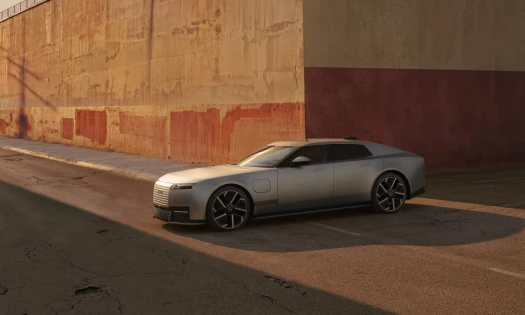
In late 2024, Jaguar unveiled its "Copy Nothing" rebrand that ditched the iconic leaping cat that had symbolized grace and power for decades.
The reaction was swift and largely negative. Fans called the update “soulless,” “forgettable,” and “a betrayal of Jaguar’s heritage.”
Much like Gap, Jaguar underestimated the emotional equity tied to its legacy mark and failed to transition audiences emotionally.
I wonder how @Jaguar is doing ever since releasing their new add: "Copy Nothing"
— Have_It_Make_Sense (@Pop_Collapse) June 17, 2025
Jaguar's April 2025 Europe sales plunged 97.5%, from 1,961 units to just 49 vehicles, marking a near-total collapse during its rebranding phase.
This marks one of the steepest year-over-year (YoY)… pic.twitter.com/JAXQincacK
It’s far from the only recent misstep. Pepsi’s short-lived emoji packaging, Tropicana’s sterile redesign, and even Meta’s rebrand from Facebook sparked confusion or backlash.
Each instance reinforces the same truth: branding isn’t just design — it’s memory, meaning, and trust.
How to De-Risk a Rebrand
Rebrands fail because the process ignores psychology.
The most common mistake is treating a rebrand like a reveal instead of a relationship shift.
Audiences don’t reject change because they hate new ideas; they reject it when it’s sudden, unexplained, and emotionally jarring.
Design teams may move fast, but customer trust builds slowly. If you want your rebrand to land, you have to de-risk it from the inside out.
- Test before you launch
Don’t wait for the internet to tell you what your customers think. Run visual preference tests, soft launch variations, and gather emotional feedback. If Gap had tested its redesign, it would’ve seen the disconnect coming. - Transition, don’t shock
Abrupt change invites resistance. Phased rollouts, side-by-side comparisons, and time-bound pilots help audiences acclimate — and feel included in the process. - Narrate the why
You’re not just changing a logo. You’re evolving a story. Brands that guide users through the why — with narrative, not just visuals — turn skepticism into support.
A Big Lesson for Branding Teams
A brand’s identity is no longer solely owned by the business. It’s co-owned by its community.
And that means any change, especially one tied to legacy, must be treated like a conversation, not a switch-flip.
In the era of TikTok edits and brand parodies, it's tempting to chase trends.
But the smartest branding teams know when to listen, when to test, and when to lead with empathy.
Gap’s logo disaster still lives on in marketing decks for a reason. It’s not just a cautionary tale. It’s a reminder that trust, once broken, takes more than six days to fix.