
Everlane spent years selling shoppers on "radical transparency" and ethical production.
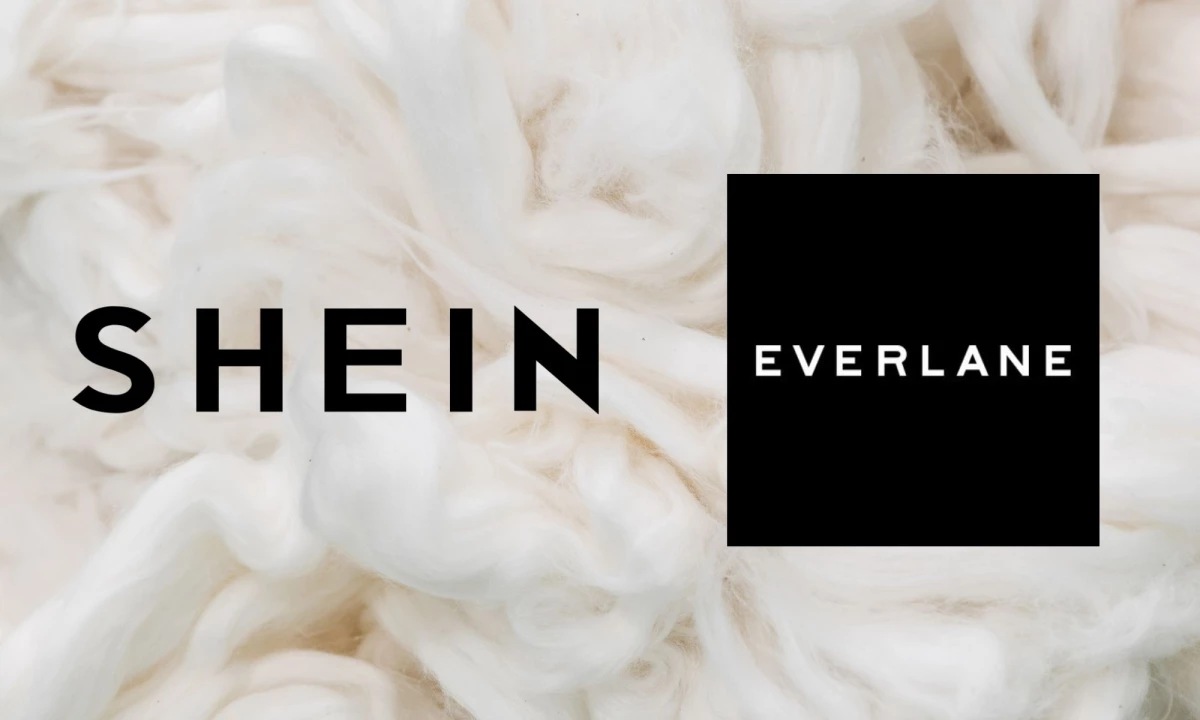
Now, the sustainability-focused retailer is reportedly being acquired by SHEIN in a deal valued at $100 million.
According to reports from Reuters, Puck News, and Bloomberg, Everlane majority owner L Catterton approved the sale over the weekend.
Neither company has publicly confirmed the transaction.
The reported deal places one of fashion's best-known sustainability brands inside a company long criticized for overproduction, laborconcerns, and environmentalimpact.
Online reaction was immediate, with consumers questioning whether Everlane could still claim ethical credibility.
"This isn't just a business deal, it's a collision of narratives," Sunny Bonnell, co-founder and CEO of Motto, told Forbes.
"Acquisitions don't just transfer assets. They transfer associations. And meaning management is one of the most overlooked responsibilities in modern M&A."
Comment
by u/love-learnt from discussion
in LawBitchesWithTaste
The deal highlights the mounting pressure across direct-to-consumer fashion as rising costs force brands to prioritize survival over credibility.
The reaction, on the other hand, shows how quickly brand perception can weaken when a company’s ownership structure conflicts with what it spent years promoting.
Everlane's Brand Equity Faces Pressure
Everlane built a loyal audience around minimalist basics, factory transparency, and sustainability messaging.
This brand identity now clashes directly with SHEIN's ultra-fast production model.
The reported $100 million valuation also marks a steep decline from Everlane's earlier growth years.
It was reportedly valued at nearly $600 million during the eCommerce boom of the 2010s.
Despite attempts to reposition toward premium fashion in 2024, the brand struggled with a reported $90 million debt.
For SHEIN, the acquisition strengthens a broader strategy centered on taking over distressed Western retail brands.
The company previously acquired stakes in retailers, including Forever 21 and Missguided.
Everlane’s brand equity was built on transparency and sustainability, making the reported sale to SHEIN a direct contrast to what it is known for.
This situation highlights how difficult it has become for mid-sized fashion brands to balance ethical positioning with the financial demands of scaling globally.
Fashion's DTC Model Keeps Tightening
Direct-to-consumer fashion brands continue to face weaker demand, rising costs, and shrinking margins after years of rapid online growth.
The slowdown is pushing more DTC brands toward consolidation as profitability becomes harder to maintain independently.
Comment
by u/love-learnt from discussion
in LawBitchesWithTaste
This reported deal offers a warning for founders and fashion brands operating under growing financial pressure:
- Brand positioning needs operational backing. Founders should align business and operational decisions with brand values to protect credibility.
- Profitability matters. Retailers should stabilize margins before expansion slows to avoid reactive restructuring.
- Consumer trust is harder to rebuild. Brands should vet acquisition partners carefully because reputation transfer affects loyalty.
The sale also shows how difficult it has become for sustainability-led retailers to maintain premium positioning during prolonged financial pressure.
Our Take: Does Sustainability Still Matter in Fashion?
Yes, but consumers expect consistency between a brand's message and its ownership decisions.
Everlane's identity is tied closely to ethical sourcing and transparency.
Its association with SHEIN creates reputational damage that may outweigh profitable gains.
Sustainability claims remain valuable marketing tools, but financial survival is increasingly dictating how brands operate.
The broader risk is consumer distrust spreading across the category.
More mission-driven brands are compromising the positioning that made them distinctive in the first place.
For instance, Allbirds recently sold its footwear business and pivoted into AI infrastructure under the name "NewBird AI."
For brands, the backlash highlights growing demand for brand reputation, crisis communications, and long-term trust strategy work.
Explore these Top Reputation Management Companies in our directory.