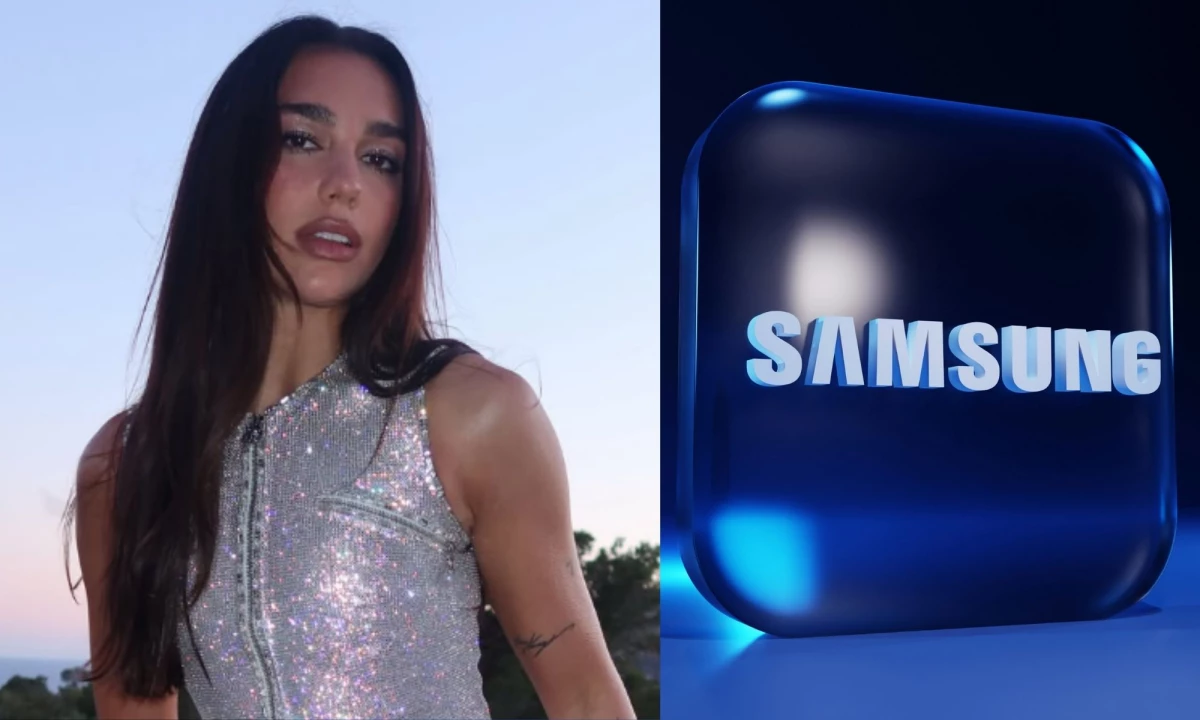

Dua Lipa is suing Samsung for at least $15 million after accusing the company of using her image on TV packaging without permission.
The dispute centers on a backstage photo taken at the 2024 Austin City Limits Music Festival that allegedly appeared on Samsung TV boxes sold across the U.S.
Court filings allege the electronics giant used the image and created the appearance of endorsement without authorization or compensation.
Samsung has now denied "any allegations of intentional misuse" and said the image came from a third-party content partner.
This partner reportedly assured the tech giant that all permissions had been secured.
The lawsuit claims the unauthorized use infringed on Lipa's copyright, trademark, and publicity rights.
It also falsely implies endorsement of Samsung products.
The artist's legal team alleges the company ignored repeated cease-and-desist requests dating back to June 2025, with the court document reading:
"Samsung exploited Ms Lipa’s carefully curated and extremely valuable brand identity to sell televisions, by using, without authorisation, Ms Lipa’s copyrighted image on the front of cardboard boxes offering Samsung televisions for sale."
The dispute adds pressure on brands to tighten approval processes around licensed imagery.
Celebrity partnerships are becoming more valuable, and intellectual property disputes are growing more public.
Celebrity Licensing Faces New Pressure
The lawsuit alleges the tech company commercially benefited from Lipa’s likeness by placing her image prominently on retail packaging without her approval.
The filing also emphasizes the commercial value of her brand partnerships with companies, including:
Samsung maintains the image was obtained through legitimate partner channels, saying it remains "open to a constructive resolution" with Lipa’s team.
Brands now face growing scrutiny for how vendors, agencies, and licensing partners handle permissions across marketing supply chains.
The dispute shines a light on celebrity likeness rights and reputation management across advertising, packaging, and streaming platforms.
IP Disputes Raise Oversight Questions
The legal battle reflects how intellectual property oversight now extends into marketing and distribution systems.
- Celebrity likenesses influence buying behavior. Brands should verify licensing documentation to reduce legal and reputational exposure.
- Third-party content creates compliance risk. Companies should conduct independent rights reviews before approving retail assets.
- Delayed responses escalate public fallout. Teams should resolve infringement claims quickly to avoid prolonged litigation and consumer distrust.
The case also reinforces how IP governance now influences trust as much as product quality or advertising execution.
Oversight failures can now spread across social media, retail, and news coverage, making brand damage harder to contain.
Our Take: Are Brands Vetting Copyrights Carefully Enough?
We think not consistently enough.
Large brands increasingly depend on layered partnerships across streaming, retail, and advertising, creating more room for licensing errors.
Brands are now using celebrity imagery across more surfaces, creating more opportunities for licensing mistakes.
This raises the stakes for legal review and reputation management. But we believe that the bigger risk is operational complacency.
Vendor assurances alone may no longer protect brands from litigation or public backlash.
There has to be an added layer to ensure licensing rights have been properly secured.
This pressure is increasing as brands rely more heavily on digital content, synthetic media, and celebrity likenesses across campaigns.
Similar oversight questions are already surfacing in retail, including the recent SHEIN-Temu dispute over product photos and marketplace accountability.
Explore these top reputation management companies in our directory to find partners specializing in crisis response, brand protection, and communications strategy.