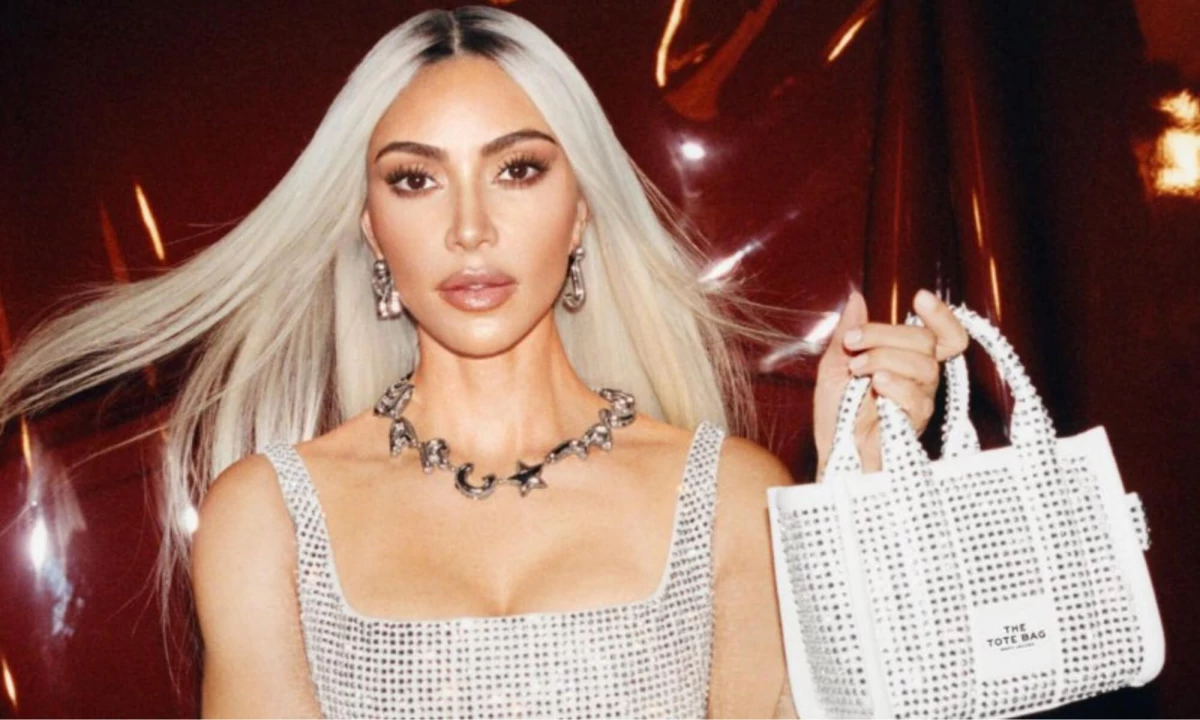

LVMH is selling Marc Jacobs after nearly 30 years of ownership.
It is handing the American fashion label to a joint venture between WHP Global and G-III Apparel Group in a deal valued at $850 million.
Each company will hold a 50% stake in the brand’s intellectual property.
G-III will manage the label’s retail, eCommerce, and wholesale operations, while WHP Global will focus on licensing and long-term brand management.
Founder Marc Jacobs will remain as creative director and continue overseeing runway collections and brand direction.
The sale comes as luxury groups face weaker consumer demand, lower tourism spending in Europe, and rising pressure to prioritize profitability over expansion.
The move adds Marc Jacobs to WHP Global's growing portfolio, which includes Vera Wang, rag & bone, and G-STAR.
LVMH chairman and CEO Bernard Arnault addressed the sale in a statement:
"I am confident that this new chapter will offer new avenues of opportunity for Marc Jacobs, that the brand and its designer will continue to inspire customers and creators around the world."
For luxury fashion, the deal reflects how licensing-led firms are gaining influence by acquiring established fashion names with global brand recognition.
Narrower Brand Portfolios
LVMH acquired a majority stake in Marc Jacobs in 1997, the same year Jacobs became creative director at Louis Vuitton.
During his tenure, the designer helped expand Louis Vuitton into ready-to-wear.
He also orchestrated high-profile artist collaborations with figures including Takashi Murakami and Richard Prince.
Now, LVMH continues trimming non-core assets as the luxury sector faces slower growth. As part of its profitability strategy, the company also exited:
- Off-White in September 2024
- Stella McCartney in January 2025
- China duty-freeretail business in January 2026
G-III will manage operations across apparel, handbags, footwear, accessories, and luggage across North America and Western Europe.
The acquisition strengthens WHP Global's industry position while showing how licensing specialists are becoming major players in luxury branding.
It also reflects how large luxury groups are becoming more selective about which brands still justify direct ownership in a slower-growth market.
Licensing Gains in Luxury Fashion
Ownership structures across fashion are moving toward leaner operating models centered on IP and licensing revenue.
- Established brands reduce expansion risk. Companies should separate IP ownership from operations to maintain global scale with lower overhead.
- Licensing creates faster market access. Fashion groups should partner with regional operators to expand distribution without building infrastructure internally.
- Heritage still drives value. Buyers should acquire labels with long-term cultural recognition to sustain pricing power and retail demand.
When brand identity remains consistent, ownership transitions become easier for retailers and consumers to absorb.
This stability gives WHP Global a stronger position in luxury fashion licensing while helping G-III expand its premium retail and accessories business.
Our Take: Is Luxury Branding Entering an IP-First Era?
Quite possibly, especially among the largest luxury groups facing slower growth and tighter margins.
More brands are separating IP ownership from retail operations.
This allows them to expand through licensing and distribution partnerships without carrying the full operational cost themselves.
We think the model becomes easier to sustain when creative leadership and product quality remain stable after ownership changes.
Keeping Jacobs in his position preserves continuity while WHP Global and G-III focus on scaling licensing, retail distribution, and category expansion.
Scale alone no longer guarantees long-term value for secondary luxury labels inside major conglomerates.
Fashion brands navigating restructuring often rely on retail, licensing, and branding partners to maintain growth across markets.
Explore these Top Luxury Branding Agencies in our directory.