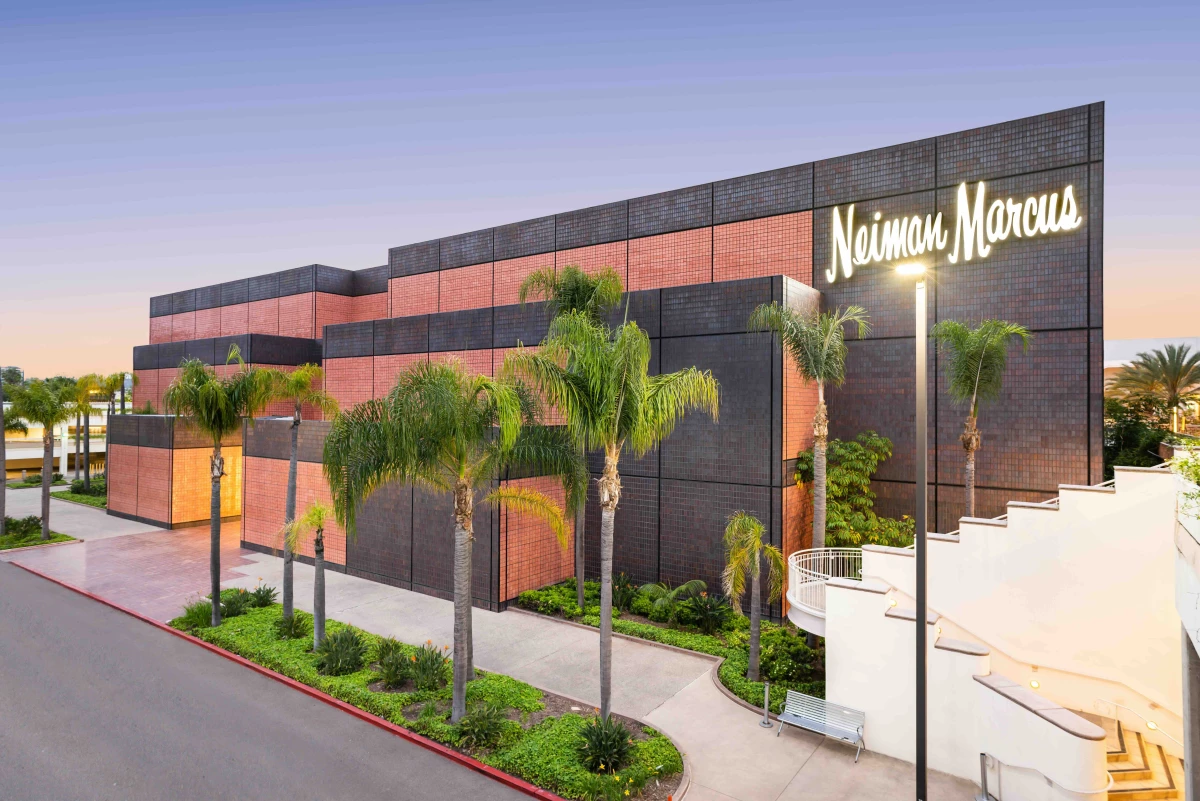

Key Takeaways:
- The acquisition highlights a growing trend of consolidation in the luxury retail market, preserving the unique identities of iconic brands while modernizing them to cater to younger demographics.
- The appointment of veteran executives signals a strong focus to execute Saks Global's vision of becoming a leader in multi-brand luxury retail.
- The involvement of major eCommerce players like Amazon and Salesforce suggests the potential for technological integration to redefine luxury retail experiences.
In a landmark deal that could reshape the luxury retail sector, Saks Global has finally completed its $2.7 billion acquisition of Neiman Marcus Group (NMG).
The strategic move brings together iconic brands — Neiman Marcus, Bergdorf Goodman, Saks Fifth Avenue, and Saks OFF 5TH — under the Saks Global umbrella, allowing each to retain its distinct identity while benefiting from shared resources and innovation.
"Valued customers" were also sent letters announcing the completion of the acquisition.
It is official and sent out to the consumers #SaksGlobal#SaksFifthAvenue#NeimanMarcus#BergdorfGoodman#SaksOff5th#mergers#retail#luxuryfashion#fashionpic.twitter.com/UCpeyIi3Nr
— Jodi A. Hift, Ed.D. (@SooFashionable) December 26, 2024
The announcement follows a surprising turn in the luxury market, as Tapestry recently revealed that it had terminated its planned acquisition of Capri Holdings.
In a press release, Richard Baker, Executive Chairman of Saks Global, emphasized the transformative potential of this merger:
“This milestone transaction marks a transformative moment for Saks Global and the luxury retail industry.
By uniting Neiman Marcus, Bergdorf Goodman, and Saks Fifth Avenue, we have created an unparalleled multi-brand luxury portfolio with tremendous growth potential. This is not just a merger; it's a vision to set the gold standard in luxury retail."
The acquisition was funded by a diverse group of investors, including Amazon, Salesforce, and Authentic Brands Group (owner of Reebok, Forever 21, and Billabong).
Seasoned Leadership to Propel Saks Global’s Vision
To lead this expansive portfolio, Saks Global has appointed a team of experienced leaders to key roles:
- Marc Metrick assumes the role of CEO of Saks Global Operating Group, bringing a wealth of experience in luxury retail to drive innovation and growth.
- Ian Putnam takes charge as CEO of Saks Global Properties & Investments, overseeing a real estate portfolio valued at $7 billion, including flagship properties in prime luxury markets.
- Emily Essner, former Saks CMO, steps into the newly created position of President & Chief Commercial Officer, leading the company's go-to-market strategy to enhance customer experience and drive revenue.
- Tracy Margolies, who used to be the chief merchandising officer for Saks, has been appointed President of Bergdorf Goodman, ensuring the brand's unique legacy continues to flourish.
The merger signals a major shift in the luxury retail sector, with a growing trend toward consolidation aimed at enhancing competitiveness and operational efficiency.
By integrating these storied brands, Saks Global is well-positioned to leverage data-driven design and strategic partnerships, delivering personalized and inspiring shopping experiences.
The involvement of major investors also emphasizes the deal's potential to innovate within the industry. Amazon's investment is expected to bring technological and logistical support that will enhance Saks Global's eCommerce capabilities and supply chain efficiency.
As the luxury retail market continues to evolve, this merger sets the stage for Saks Global to redefine the shopping experience, blending traditional luxury with modern advancements to capture the younger market.
The combined entity's focus on data and innovation positions it to meet the changing demands of consumers by offering a seamless and personalized approach to luxury branding and retail.
Meanwhile, the auto industry is set to experience its own shake-up, as Honda and Nissan unveil plans to merge and form the world’s third-largest automotive group by 2026.