
Pepsi found a way to make doing nothing look like a branding achievement.
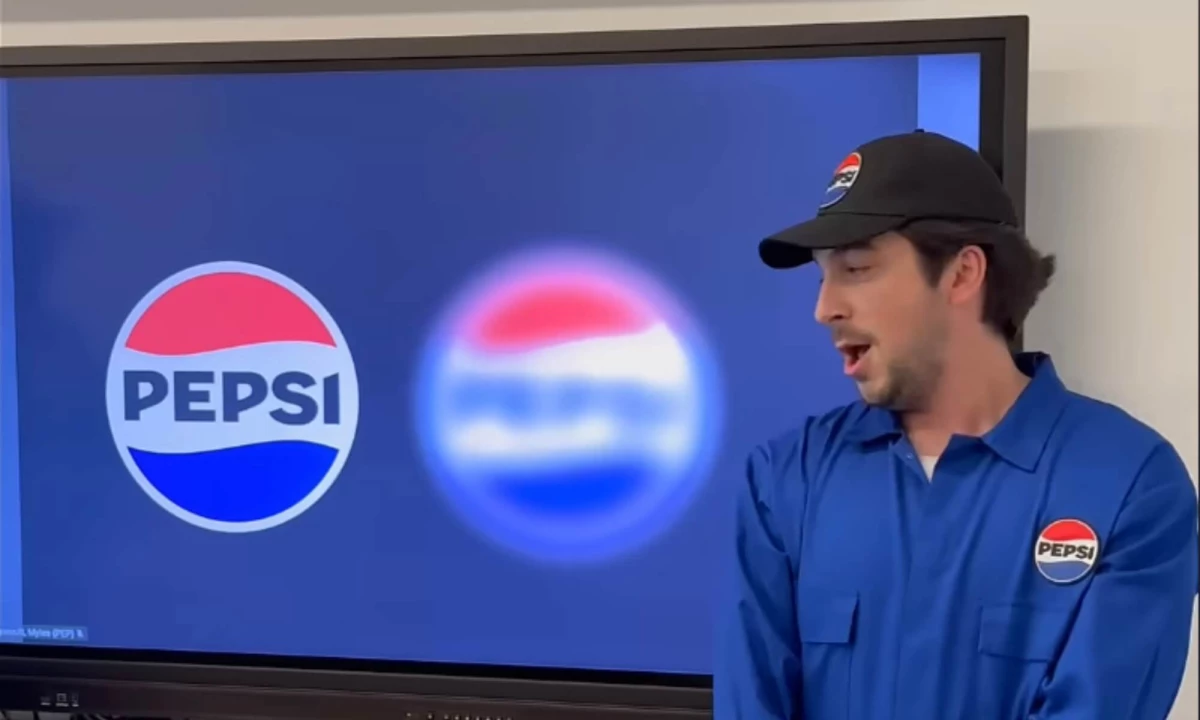
The brand’s latest social video stages a fictional logo redesign meeting where its familiar identity gets dismissed as "old."
Employees in Pepsi-branded overalls then present the exact same logo as the new version to roaring applause.
The joke takes aim at Coca-Cola’s July identity overhaul, designed to make its signature assets consistent across more than 200 markets.
JKR, the agency behind the refresh, called it a love letter to Coca-Cola's oldest assets.
And the one element that wasn't old spent launch week getting compared to a pack of Marlboros.
View this post on Instagram
Pepsi won the week on recognition alone, the exact asset that Coca-Cola just spent a global rollout trying to strengthen.
And the setup stays deliberately simple.
"Alright so as you guys know this is the old logo."
"Old. Outdated. Still fly but old."
After the team dismisses the existing mark, the presentation advances to the supposed new version.
"That is the new logo. Look at that."
"Fresh right? Yeah?"
The audience erupts with applause and a Pepsi chant.
The video then closes with "If it ain’t broke, don’t fix it," and the payoff is a logo that was left untouched.
View this post on Instagram
The whole thing is reactive marketing at speed, posted while the Coca-Cola redesign was still the industry's main topic.
The comments filled up with people pretending to spot the difference, exactly what the format is meant to elicit.
A Familiar Logo Powers the Whole Joke
Pepsi runs its existing logo through the full theatrical redesign and lets viewers catch the punchline on their own.
It's showing off its own equity as much as mocking Coca-Cola's rollout, because the gag only works if viewers recognize the logo instantly.
This choice is crucial because Coca-Cola's refresh exists to reinforce assets that people already know.
The Coke-maker says the design system should make every execution "unmistakably Coca-Cola" across markets and formats.
The rollout starts in Latin America, Europe, the Middle East, and Asia. North America won't see it on shelves until 2027.
Pepsi's response rests on the brand knowledge that both companies share.
A logo earns its place by being identified instantly.
Pepsi also knows the redesign process firsthand, which sharpens the joke.
Its 2023 brand refresh was the first update to the Pepsi globe in 14 years.
It added electric blue, black, a custom typeface, and a signature pulse to the design system.
The design team described the work as a way to connect its heritage with a new era while making the identity more flexible.
Three years ago, Pepsi made the same case Coca-Cola is making now, and the spoof works because of it.
View this post on Instagram
A parody like this needs a company with enough recall to survive the setup.
Weaker brands have to make a redesign say something, because strategy without equity has nothing to fall back on.
Recognition Outranks Design Polish
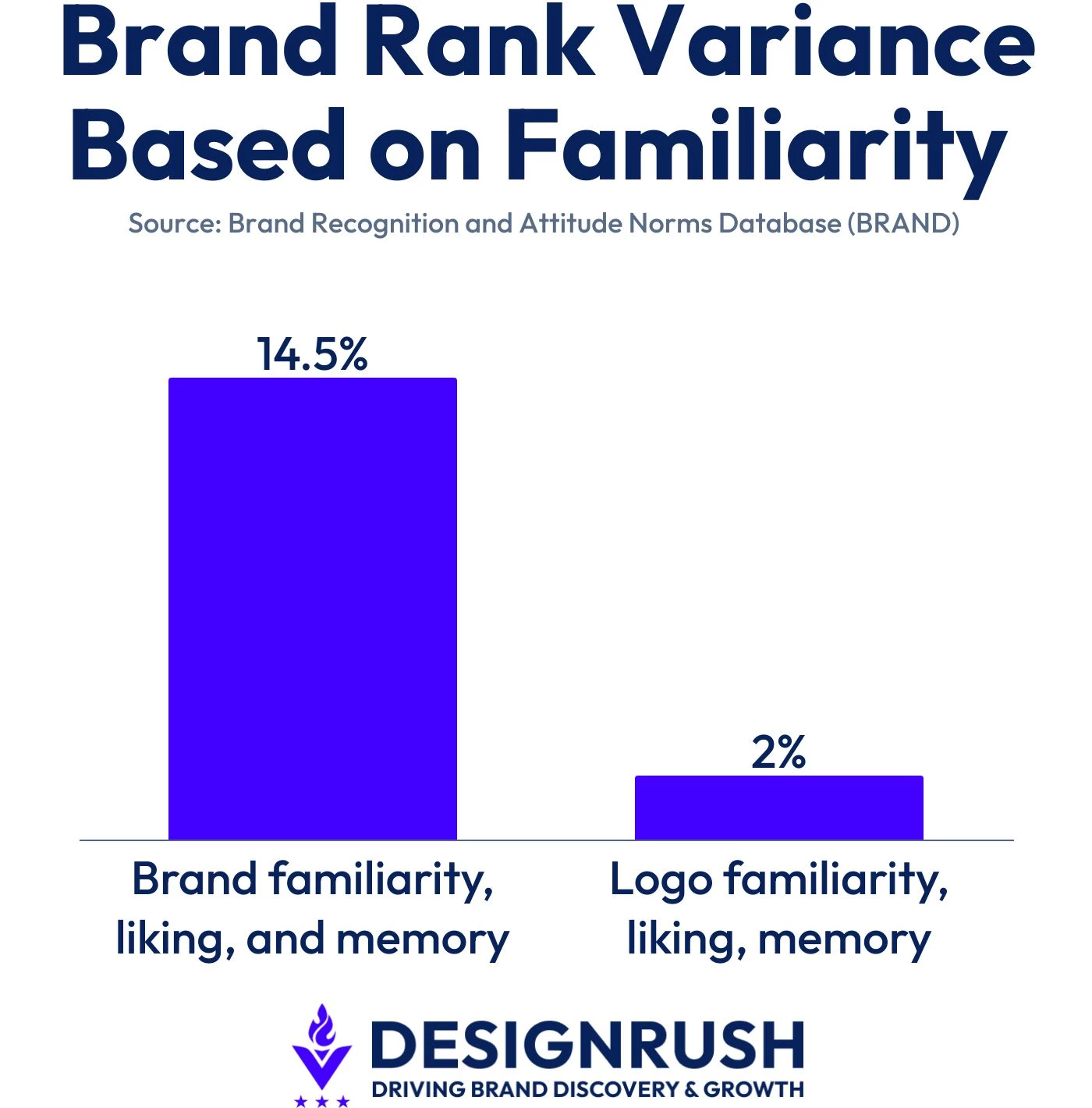
A 2025 BRAND study surveyed 2,000 U.S. consumers on familiarity, liking, and memory for more than 500 brands and their logos.
Brand familiarity, liking, and memory together explained 14.5% of the variance in Brand Finance rank.
Consumer responses to the logos themselves accounted for only 2% on top of that.
Familiarity was the only measure that significantly predicted where a brand ranked.
Each one-point gain on the seven-point familiarity scale moved a brand roughly 37 places up the rankings.
Brand recognition comes from exposure over time, which is why established brands spend heavily to modify visual identities while still preserving familiar cues.
Three value lessons that brands can take away from Pepsi's parody of Coca-Cola are:
- Protect the assets consumers already recognize. Brands should identify their strongest visual cues before redesigning to preserve recognition.
- Give redesigns a clear job to do. Teams should connect every major visual change to a specific need to make the investment meaningful.
- Test familiarity before changing core assets. Marketers should measure which elements consumers remember most to minimize unnecessary recognition loss.
Brand equity holds up when teams decide in advance which components stay flexible and which brand assets stay fixed.
Our Take: Is Pepsi Still Fighting the Right Rival?
Pepsi has spent five decades defining itself by whatever Coca-Cola does next.
It started with the 1975 Pepsi Challenge, and this video is the sharpest version of that habit.
We think Pepsi is aiming at the wrong rival now, and the sales charts make the case better than any critic could.
Dr Pepper already took the No. 2 spot in 2023, Sprite pushed Pepsi down to fourth in 2024, and Pepsi only clawed back to third in 2025.
View this post on Instagram
Each of these brands climbed on flavor work and campaigns about itself.
The tension is that the Coke joke is genuinely good work, but good work aimed at the wrong competitor still misses.
Pepsi has the brand equity to sell itself on its own terms, which is exactly what the video also proves.
Pepsi already owns the recognition, the music history, and the challenger swagger, and none of that needs Coca-Cola in the frame to work.
Though we think it's still fun to watch now and then.
Need a visual identity that stays recognizable across every channel?
Explore these top logo design companies to find a partner for your next brand identity project.