
Some of 2026's most effective reactive brand marketing went live within hours of an event breaking.
A chocolate heist, a rooftop proposal, a PlayStation announcement, an old bathtub photo, and a World Cup final all broke this year.
Each one handed brands a campaign the industry still talks about. One even won an award for it.
Some of the teams behind them had done years of work before the opportunity arrived.
They knew their own brand voice well enough to make the right response obvious.
Reactive marketing rewards brands that already know what they sound like.
We'll break down how brands cashed in on five of the year's biggest stories so far, and whether reactive marketing deserves to have a budget of its own.
1. The KitKat Heist That Won a Cannes Grand Prix
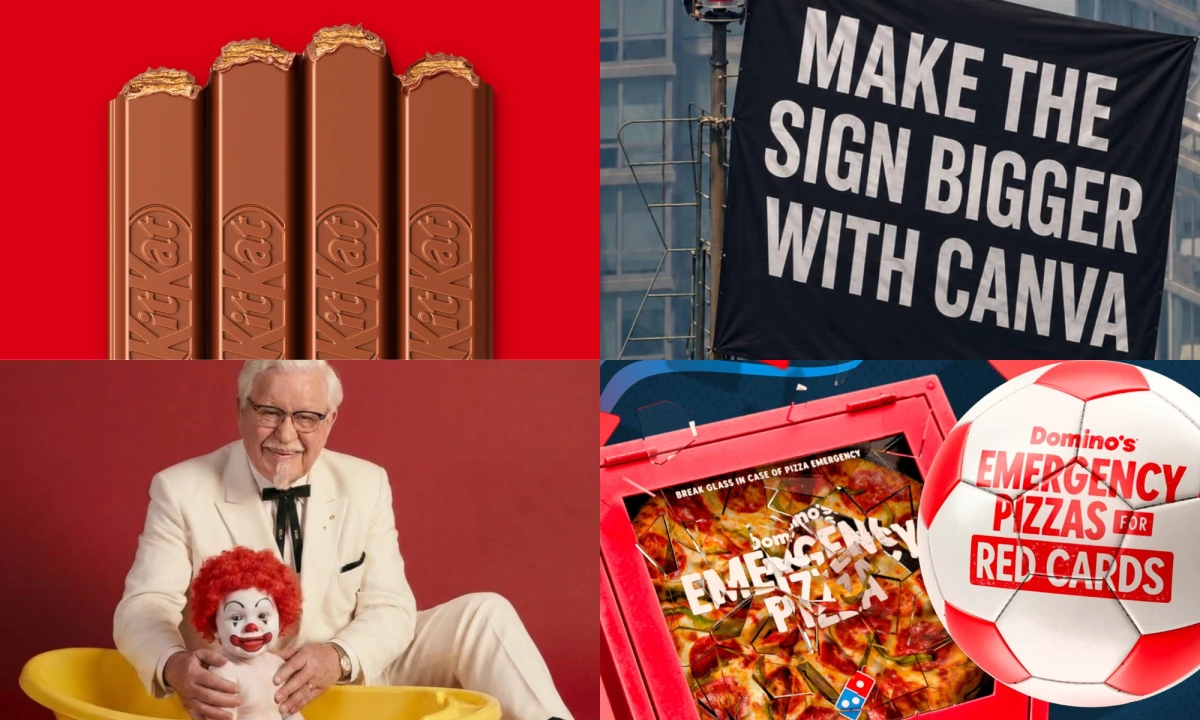
On March 28, news broke that thieves had robbed a KitKat truck carrying 12 tons of chocolate bars in transit across Europe.
More than 413,000 units of the Formula One-shaped range disappeared on the route from Italy to Poland.
The obvious headline was a supply chain failure, and in less careful hands, it could have run as a crisis story.
But Nestlé's spokesperson got there first with a line that ran in the initial AFP report and then in every piece of coverage that followed.
"We've always encouraged people to have a break with KitKat," they said.
"But it seems thieves have taken the message too literally and made a break with more than 12 tons of our chocolate."
Cision recorded more than 13,000 media mentions over the next 30 days, a 225% increase on the brand's previous baseline.
More than half of the coverage read positive, and only 9.5% turned negative.
KitKat kept the run going with a March 29 social post reassuring shoppers about supply levels.
It attracted the highest engagement of any post about the theft.
On April 1, Nestlé, together with agency Burson, launched the Stolen KitKat Tracker.
Buyers could enter a batch code to check whether their bar came from the stolen cargo, which kept the story running through a second news cycle.
Social shares also climbed 4,841% within 30 days, while the brand's earned media audience reach rose 30.5%.
Brands like Ryanair, Domino's, IKEA, and Outback joined with their own reactions, generating additional coverage that the brand didn't brief or pay for.
Our thoughts are with our mates at KitKat as they navigate this unexpected and difficult time.
— Outback Steakhouse (@Outback) March 31, 2026
In completely unrelated news:
Introducing the NEW Bloomin’ KitKat. just $1 while supplies are, um… abundant. pic.twitter.com/e7biY0VHQc
The work took the PR Grand Prix at Cannes Lions 2026.
Crisis communication budgets usually go toward damage control, but KitKat proved that the same money can buy a year's best-performing earned media.
2. The Empire State Proposal Every Brand Copied
On July 1, Russian rooftoppers Angela Nikolau and Ivan Beerkus climbed the 1,454-foot Empire State Building spire and unveiled a banner.
The banner read, "When the power of love beats the love of power, the world knows peace."
Beerkus proposed to Nikolau on a platform beneath the antenna before police arrested the pair, and brands were recreating the viral image within hours.
Canva edited a laptop into the scene and swapped the banner for "Make the sign bigger with Canva."
Cisco went with "Have you tried turning it off and on again?"
Duolingo Deutschland rewrote the image as a German vocabulary lesson, and DoorDash imagined a delivery to the top of the spire.
The Empire State Building's own account recreated an engagement ring photo from its observation deck.
The post earned nearly 122,000 likes and drew attention toward ticket sales.
Duolingo Deutschland's version stood out because audiences recognized the mascot without a caption explaining it.
Dozens of other accounts ran the same template that afternoon, and the copies blurred together.
Every brand could reach the same template, so a recognizable identity is what separates the winners here.
And this kind of identity takes years of consistent social media marketing to build.
3. The PS Disc Cutoff That Fast-Food Chains Mocked
Sony said it would stop producing physical discs for new PlayStation games from January 2028.
Domino's UK answered the same day with a promise to serve only "digital pizzas."
KFC Spain recreated the early 2000s anti-piracy ad with the line "You wouldn't download a pizza," while GitHub offered public repos on CD-ROM.
BREAKING NEWS pic.twitter.com/i28QZd7Z2g
— Domino's Pizza UK (@Dominos_UK) July 2, 2026
All three wrote for people already arguing about the announcement in gaming forums.
Reactive posts travel further when a brand knows which subculture is watching, which makes audience research the cheapest part of any social campaign.
4. The Messi x Yamal Photo That Fans Mistook for AI
In 2007, a set of UNICEF photos captured Lionel Messi bathing a baby Lamine Yamal.
Yamal's family had won a charity calendar raffle pairing local babies with FC Barcelona players, so the two shared a frame by pure coincidence.
The images resurfaced days before Messi and Yamal met in the World Cup final, and they spread within hours.
Fans spent the first hours insisting the photo was AI-generated, since the coincidence seemed too contrived to be real.
Huggies posted a blue bathtub with the caption "One day you bathe them, the next day..."
The diaper brand makes products for the exact stage of life in the photo, so audiences made the connection without a prompt.
Coca-Cola Singapore swapped the baby for two cans in Argentina and Spain World Cup packaging, then asked fans which side they backed.
KFC South Africa reworked the image as a dig at McDonald's, the official FIFA sponsor.
The nostalgic photo handed brands a 19-year arc with a punchline already attached.
These activations show how cultural fluency outperforms rights fees when a story breaks on its own schedule.
Sponsorship marketing buys placement, while a fast read on a viral photo buys reach.
No team could have predicted that a 2007 raffle photo would surface days before the final, so social listening has to run year-round.
5. The World Cup Wins That Brands Wrote in Advance
Norwegian Air promised publicly to wear British Airways' logo if England outlasted their home nations at the World Cup.
England did, and both airlines paid up.
The audience already knew the outcome, which meant the execution was the whole story.
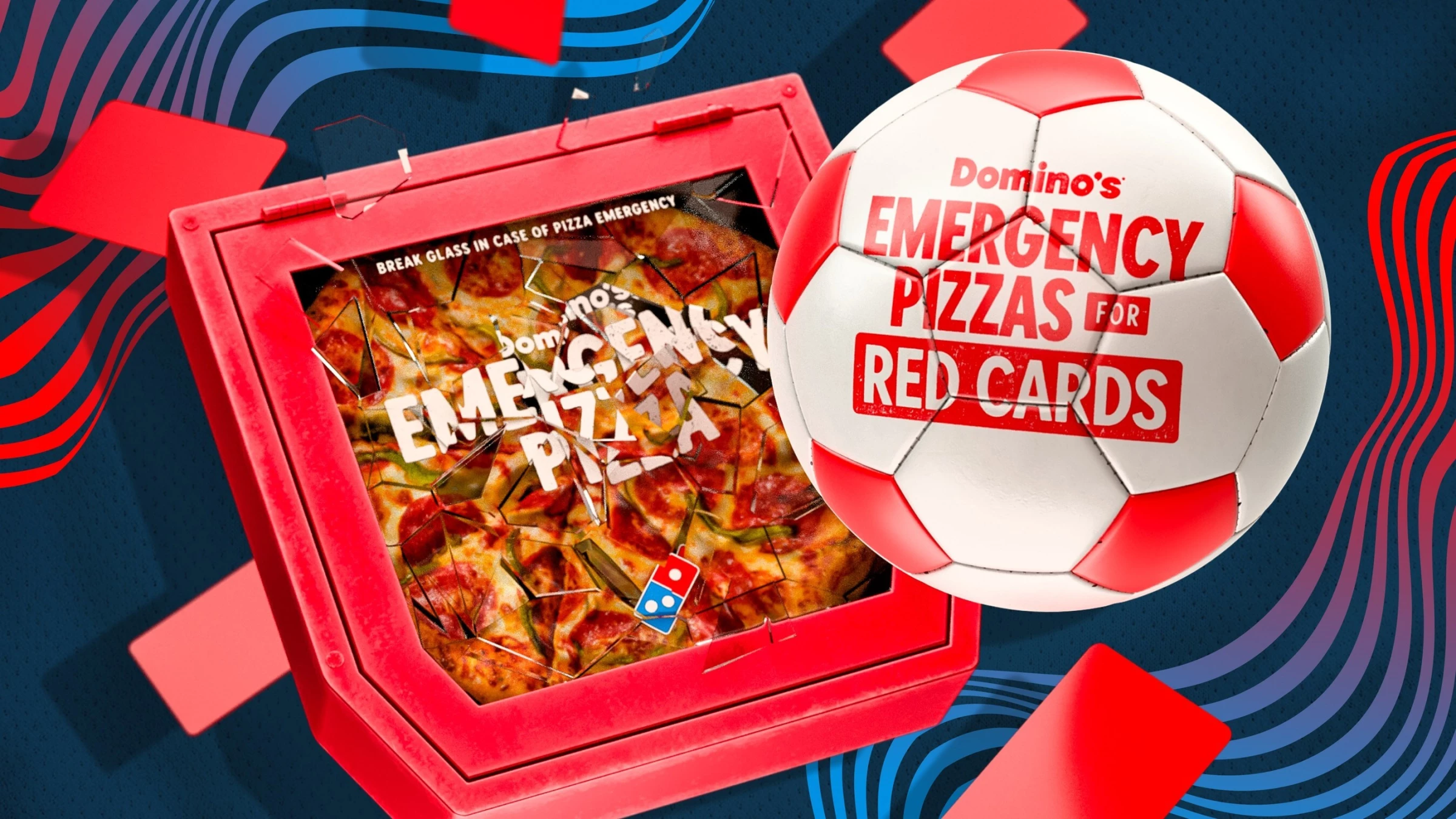
Domino's predicted a USMNT red card and committed $1 million worth of Emergency Pizzas if the call came.
The red card came, and the giveaway ran as promised.
Domino's had converted the bet into a news story before the tournament even kicked off.
A public promise made weeks early strips every approval step out of the day itself.
Campaign planning like this converts a coin flip into scheduled content that's sure to draw attention and build brand affinity.
Meanwhile, brands answered Spain's victory within an hour of the final whistle.
Under Armour posted within minutes, since Ferran Torres scored the winner wearing its boots.
Under Armour had one boot in the final while adidas supplied Spain and Argentina's kits, not to mention the referees' and volunteers' uniforms.
But one goal from a bench player handed Under Armour the highlight that adidas had paid a full tournament to own.
Plenty of brands posted congratulations that night and vanished from the feed by morning.
Under Armour had a real reason to be in the conversation before kickoff, and the boot deal supplied it.
A sponsorship deal buys every shirt worn on the pitch, but one well-placed endorsement can outperform all of them.
The Prep Work Every Fast Campaign Shares
The reactive campaigns that have struck gold this year offer a few valuable lessons to brands and agencies looking to replicate their success:
- Build a social voice clear enough that unexpected events become creative briefs: Domino's, Duolingo, and KFC moved fast because the right response was already obvious.
- Pre-commit to something public before the event happens: Norwegian Air and Domino's built their activations into public commitments weeks ahead.
- Identify the one thing only your brand can say: KitKat had its tagline, Under Armour had the boots, and Duolingo had its mascot.
Speed has always been the obvious argument for reactive marketing.
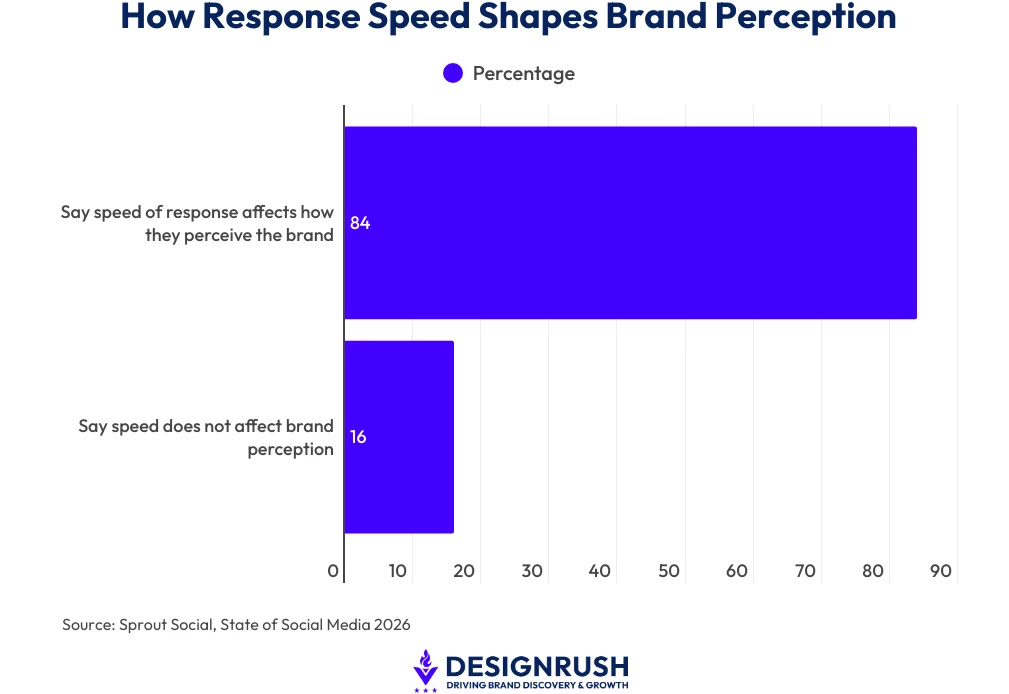
Sprout Social's 2026 State of Social Media Report found that 84% of consumers say how fast a brand responds on social affects their perception of it.
This figure explains why reactive marketing keeps earning its place in the budget.
Reactive marketing compounds, so the brands winning news cycles now are funding the ones they'll win in 2027.
Our Take: Does Reactive Marketing Need Its Own Team?
Nobody wins a Cannes Grand Prix off a stolen truck without knowing exactly what their brand sounds like first.
We think reactive marketing earns the funding, though the money belongs with the team that already owns the brand voice.
The return comes from brand recognition that audiences already have, which is why dozens of identical Empire State posts earned nothing.
Brands building a separate reactive team are paying for reflexes when the brand asset worth investing in is the voice underneath.
Fund the voice first, and the fast wins come free.
Fast reactive work needs an agency partner who built the brand voice long before the event calendar existed.
Check out the top social media marketing agencies in our directory.